The sea tavern

Taberna do Mar Composit.jpg

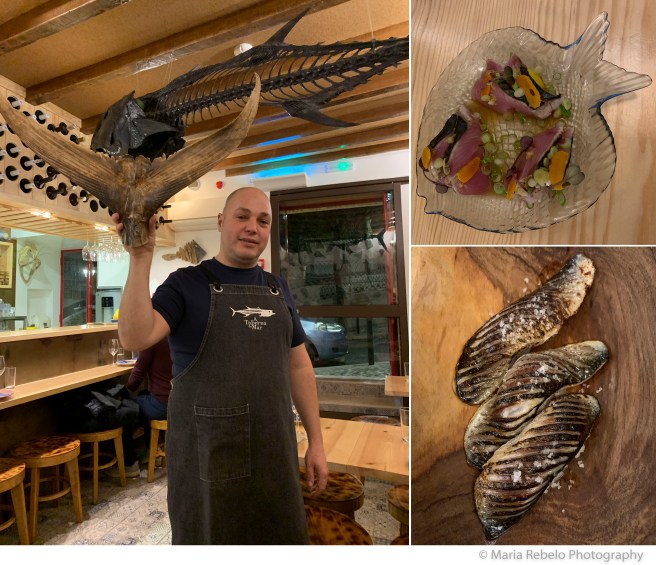
A dinner at A Taberna do Mar (the sea tavern) is a culinary plunge into the waters of Sesimbra, Trafaria and Costa da Caparica. These are the beaches near Lisbon where chef Filipe Rodrigues sources his fish.

Filipe was born in the Algarve. His grandparents were cannery workers who taught him some of the secrets of the sea. He discovered other secrets on his own, through years of hard work. After creating the menu for several popular restaurants, Filipe decided to open his own place. It is a cozy tavern with ancient stone walls and a quaint tile floor.

You can order a la carte or choose a menu prepared by the chef. Feeling adventurous, we went for the menu. The feast began with a warm tortilla decorated with cuttlefish ink topped with a cream of lupini beans, mint, and sea fennel, a plant that grows on sandy dunes. Then, we enjoyed a carob bun stuffed with dried horse mackerel accompanied by a miso mayonnaise. It came with a dumpling stuffed with tender veal tongue, seaweed and mushrooms. It was moist and delicious. We went back to the sea with a plate of sarrejão sashimi. Sarrejão is a fish from the bonito family that shines brightly when it is very fresh.

We were still savoring this delight when Filipe brought us his version of muxama. This prosciutto of the sea, made by salting and drying the best parts of the tuna, has been produced in the Algarve since Roman times. Filipe marinated the tuna in a mixture of soy and moscatel wine before he dried it. The muxama came with an exuberant combination of pumpkin pickle, sushi rice and a large shrimp from Algarve called “carabineiro.”

An appetizing bread seasoned with sardine sauce and a tasty mackerel soup came next. They were followed by xerem, an Algarve version of polenta, with berbigão and seaweed. Then the air filled with the aroma of grilled sardines that came from a tray where the sardine nigiri was being prepared. Our taste buds jumped for joy while the sardine melted in our mouth.

Filipe asked us whether we would like to repeat any of the items from the menu. We answered in unison:  yes, we would love some more sardine nigiri!

The meal ended with three desserts: a carob mousse served with tangerine sorbet, a bread pudding and a crème brulée where the milk was replaced with a berry puree.

A Taberna do Mar is a place where East meets West, where Japanese cooking techniques are used to recreate Portuguese flavors with delicious results.

Taberna do Mar is located at Calçada da Graça 20 B, in Lisbon, tel. 21 093 9360.


An unforgettable supper at Ceia

ceia composit 1

ceia composit 2

ceia composit 3

This article describes our experience in Ceia when Pedro Pena Bastos was the chef. Pedro is now at Cura. Ceio has a new star team, headed by chef Diogo Caetano.

If food was just fuel for the body, how come there are meals that linger in our memory as incandescent moments? One of these moments was a lunch amid the vineyards of Herdade do Esporão prepared by a young chef called Pedro Pena Bastos. Another such moment was a recent dinner at a new Lisbon restaurant called Ceia, the Portuguese word for supper. The setting was different but the chef was the same.

We were received in the spacious courtyard outside the Ceia dining room by sommelier Mário Marques. He offered us a choice of two welcome drinks: cherry kombucha or a natural sparkling wine from Quinta da Serradinha. The drinks came with plates of beet beignets served with smoked codfish eggs. Like everything else in this enchanted evening, these choices seemed unusual until we tried them and perfect once we tried them.

Mário invited us into the serene dining room where a long wooden table awaited 14 lucky guests. Pedro welcomed us with three tantalizing bites: Jerusalem artichokes, French toast with seaweed and cockles, and venison from Alentejo served with fermented walnuts and black olives. They were followed by a precious taco made with rose prawns from Algarve, beetroot pearls and yuzu.

A Japanese-inspired tomato broth with mackerel and broccoli showcased Pedro’s ability to create unusual combinations that work perfectly. Then, a large oyster shell from Alvor was placed on the table surrounded by bowls with sweet oysters, fermented asparagus and lima caviar. We were still savoring this intense taste from the sea when flavors from the woods arrived: grilled Hokkaido pumpkin, mushrooms, and a beurre blanc made with Indian cress.

The service progressed with the pace of a sacred ritual that has been perfected throughout the ages. Alexandre Coelho, our amiable server, invited us to visit the adjacent room where chefs place final touches on their next offerings. It is fascinating to observe the choreographed precision that produces such refined food.

Each guest received a bowl of pasta, only it was not pasta—it was the freshest squid, delicately cooked, cut like tagliatelle and served with a sauce made with bergamot zest, hazelnuts and pickled onions. The flavors of the sea continued with a line-caught robalo (sea bass) dressed with chanterelle mushrooms, marjoram and fennel cooked in parsley oil.

A beautiful loaf of sourdough bread smoked with tomato and thyme created an intermission that separated the fish from the meat courses. It came with aged butter seasoned with salt from Castro Marim and a bright-green, spicy olive oil from Pedro’s family estate.

These rustic flavors prepared out palates for the next dish, a rectangular prism of slow-cooked bísaro pork jowl that melted in our mouths. The other meat course was a cylinder of beef from Simental cows, grilled on charcoal and adorned by collard greens and buckwheat.

Next, came a plate of lovage with compote, ganache and sorbet made from a huge Buddha’s hand lemon cultivated in Alentejo. The pungent citrus notes readied our palates for a trio of desserts made with enoki mushrooms, cocoa and quince.

Coffee, brewed in a double-globe glass coffee maker, was served with gum made from dehydrated beets and coriander, raspberry bonbons, and spicy cookies coated with a cream of turmeric and sweet potatoes.

Throughout the meal, Pedro Pena Bastos combines tastes, aromas, textures, and temperatures with the skill of a master orchestrator. His deep understanding of the subtle qualities of different ingredients allows him to create brilliant flavors and invent bold harmonies. The result is a culinary symphony that is unforgettable.

Ceia is located at Campo de Santa Clara, 128. Lisbon. Click here for the restaurant’s website.

Inspired beer at Musa

musa

Nuno Melo and Bruno Carrilho enjoyed so much the craft beers they tried in their travels abroad that they started gathering information about the art and science of beer production. Beer is made with only four ingredientes. You can buy the first three–yeast, malts and hops–all over the world. But the fourth ingredient—high-quality water–has to be locally available. When Nuno and Bruno discovered that Lisbon’s water is perfect for beer making, they bought a warehouse in an industrial suburb called Marvila and set to work.

They hired an accomplished British engineer to design and set up their factory and located suppliers of premium yeast, malts and hops. Then, they persuaded a talented American artisanal beer maker to create some unique beer recipes. Finally, they hired a dedicated crew willing to share the toil and joy of making great beer.

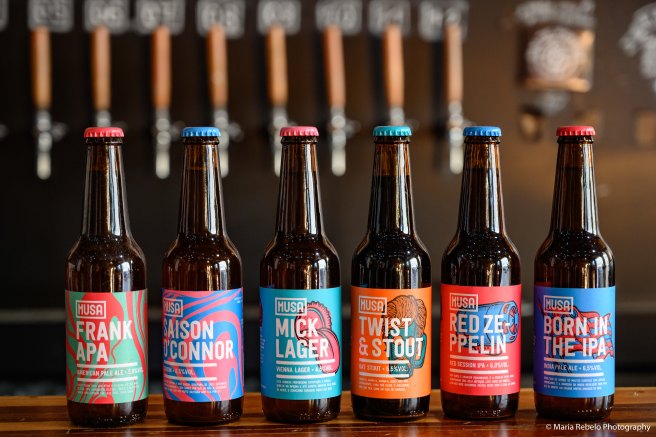
Nuno and Bruno called their project Musa, the Portuguese word for muse, to acknowledge the flashes of inspiration that kept the spirit of fun and irreverence alive.  This spirit is reflected in the rock-tinted names of their brews: Red Zeppelin, Mick Lager, Twist and Stout, Saison O’Connor, Born in the IPA, and Frank Apa.

The back of the Musa warehouse houses the factory. The front is a bar with beer on tap that provides immediate customer feedback about the new beers that are launched. Some of these new beers result from collaborations with restaurants, artists and gourmet-food producers like chocolate mavens Bettina and Niccolo Corallo.

Musa uses the bar to organize Sunday lunches prepared by well-known chefs and to throw awesome parties featuring singers, bands and DJs. One of the year’s biggest events, Ouro, Incenso e Birra (Gold, Incense and Byrrh), jointly organized with fellow craft-beer makers Dois Corvos and Lince, is coming up on January 12. If you’re in Lisbon this Saturday, it will be hard to find a better party!

Musa is located at Rua do Açúcar 83, in Lisbon. Click here for their website.

Hotel Convento do Salvador

Convento do Salvador Composit-2

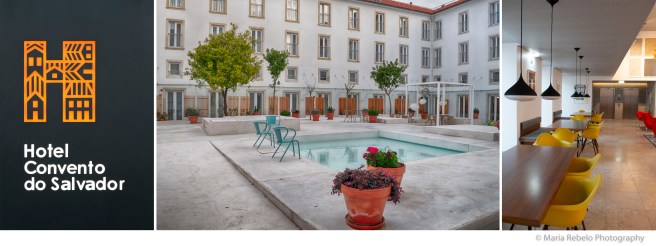
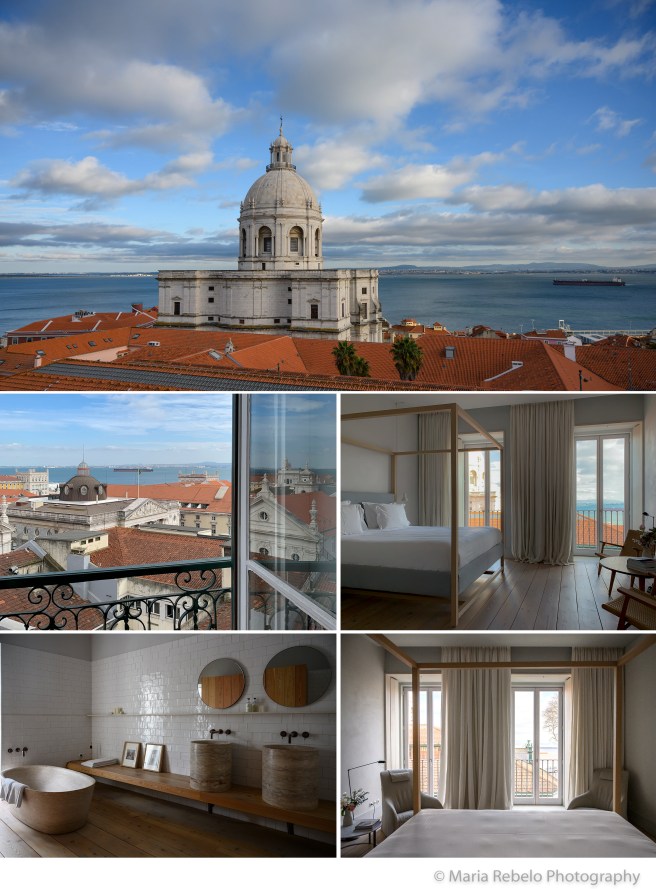
One of the best-kept secrets in Lisbon is a hotel called Convento do Salvador. It is run by a non-profit association that charges modest prices for 43 comfortable rooms. The location is fantastic, right in the middle of Alfama, the neighborhood around St. Jorge’s castle.

The hotel occupies the site of one of the oldest convents in Lisbon, Convento do Salvador, built in 1392. We know a lot about the convent thanks to a book published by one of its abbesses, Maria Batista, in 1618.

Maria describes the convent as a place where you can “flee from the dangers and labyrinths of the world,” and live a simple life. She tells us with pride that it was here that a princess came to find peace. In 1460, princess Dona Catarina, the daughter of queen Dona Leonor, came to live in the convent after the prince to whom she was engaged died prematurely.

Much has changed about this place, but it is still offers peace and simplicity. The hotel is decorated with minimalist furniture and contemporary art. The spacious patio offers a great place to relax when the weather is warm. Most rooms overlook the patio but some offer the only luxury that the nuns enjoyed: a view of the orange rooftops framing the blue waters of the Tagus river.

Hotel Convento do Salvador is located at Rua do Salvador, 2B in Lisbon, tel. 218 872 565, email hotel@conventosalvador.pt. Click here for the hotel’s website.

Mercearia Prado

Prado (loja) Composit

António Galapito, the chef of Prado, a new restaurant in Lisbon, had a problem. Despite his large ensemble of proficient waiters, service was at times slow. The reason was that customers asked many questions about the provenance of the ingredients used in the restaurant.

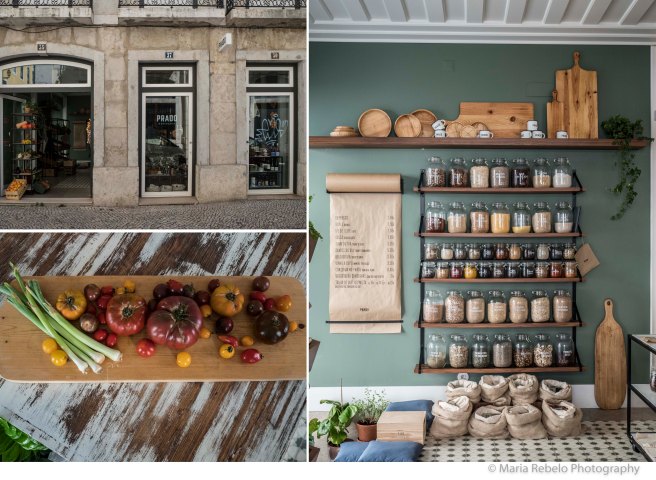
Galapito took an unusual step to solve this problem: he opened Mercearia Prado, a grocery store that stocks the products he cooks with. So now his waiters can say: you find our ingredients in the grocery store around the corner.

Mercearia Prado is the perfect place to enjoy a light lunch or to shop for a gourmet picnic. Its shelfs are brimming with wines, cheese, prosciutto, canned fish, bread, vegetables, gourmet sandwiches, jams, and desserts. The products are so carefully curated that you can shop blindfolded and be certain that everything you choose tastes great!

Mercearia Prado is located at Rua das Pedras Negras, 37, Lisbon, tel. 960 280 492. 

Mindful coffee from Flor da Selva

Flor da Selva Composit

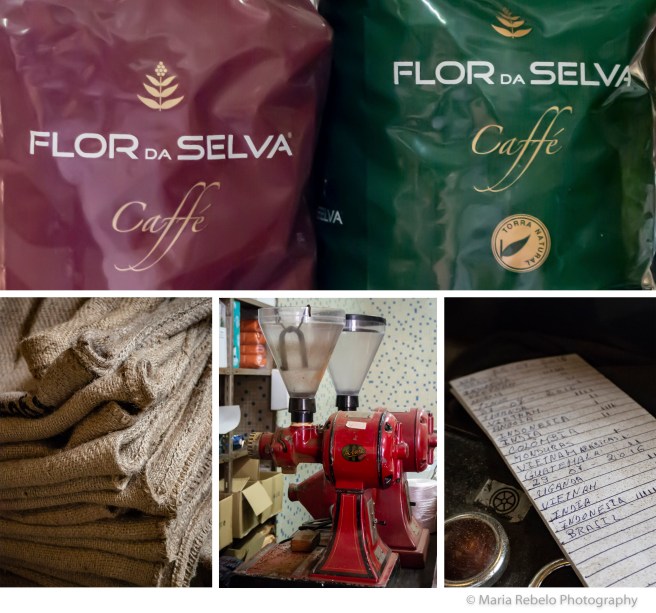
Most cups of coffee are drank in a hurry. They’re just a flash of bitterness and a shot of caffeine. Flor da Selva (jungle flower), the coffee produced by the last traditional roaster in Lisbon, is a gateway to a very different experience. This is coffee made to be savored mindfully.

We spent a delightful afternoon with Francisco Monteiro at Flor da Selva’s roasting workshop in the Madragoa neighborhood. His family’s company, founded in 1950, has preserved the secrets of the traditional roasting processes abandoned by most producers. They source green coffee beans directly from the best plantations around the world and roast them gently with oak fire wood. The coffee acquires a round, harmonious taste that contrasts with the metallic tang often associated with gas roasting. Our visit helped us rediscover the taste, aroma, and mystery of coffee.

We took several Flor da Selva blends of Arábica and Robusta beans to try at home. Preparing the coffee is a ritual that deepens the appreciation for this fine beverage. We like to brew Flor da Selva with the pour-over method, using a filter that ensures that the water is in contact with the coffee for the time necessary to soak up all the flavor from the beans.

First, we weight 29 grams for two cups. Then, we grind it finely, but not as finely as if we were making espresso, otherwise the water takes too long to pour through. We heat  filtered water at 205 Fahrenheit and pour it slowly over the grinds. The air fills with delicate aromas. Then a thick, golden foam develops (if the foam is thin and white, the coffee is too weak). Finally, we heat the cups with hot water, discard the water and pour the coffee. We drink it slowly, enjoying its lush, exotic taste. And we smile.

Flor da Selva moved to Rua Academia Recreativa e Musical de Sacavém, Lote 49, Armazém nº 13,  Sacavém, tel. 213 965 384, email info@florselva.com. Click here for their website.

Sleeping by the Tagus at the Altis Belém

Altis Hotel Composit

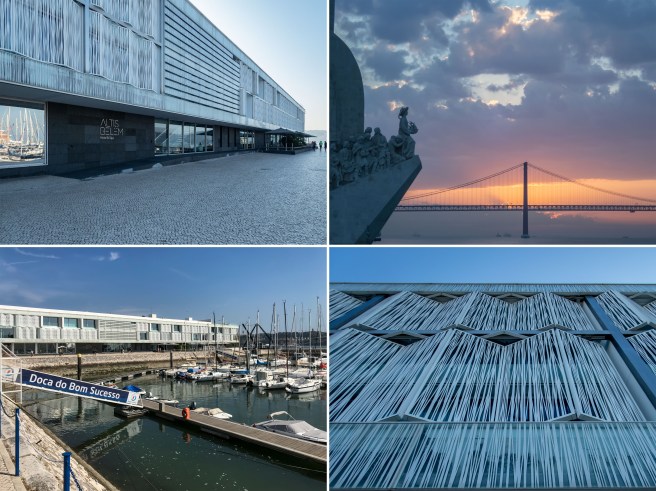
It is so wonderful to wake up in the Altis Belém hotel and see that the Tagus river is waking up too, still dressed in the same colors as the sky, flowing lazily towards the sea. We get a glimpse of the Belém tower getting ready for the visitors that come see her. And we spot the statue of Prince Henry the navigator, patiently waiting for the sun to bring the orange hues that make the light of Lisbon unforgettable.

The hotel rooms have beautiful white shutters that look like modern paintings, creating negative space around the boats in the harbor. And what a pleasure it is to have breakfast in the esplanade. The river is so close that we can eavesdrop on its waves chatting about Lisbon.

The Hotel Altis Belém is located at Doca do Bom Sucesso, Lisboa. Click here for the Altis Belém web site.

Modern luxury at the Four Seasons Hotel Ritz in Lisbon

Ritz

António Salazar, the man who ruled Portugal from 1932 to 1968, detested extravagance so he resisted the idea of building a Ritz hotel in Lisbon. But a group of entrepreneurs convinced him to support the project. Salazar visited the hotel before the inauguration and disliked what he saw. He exited through the back door and never came back. Despite Salazar’s disapproval, the Lisbon Ritz was a huge success.

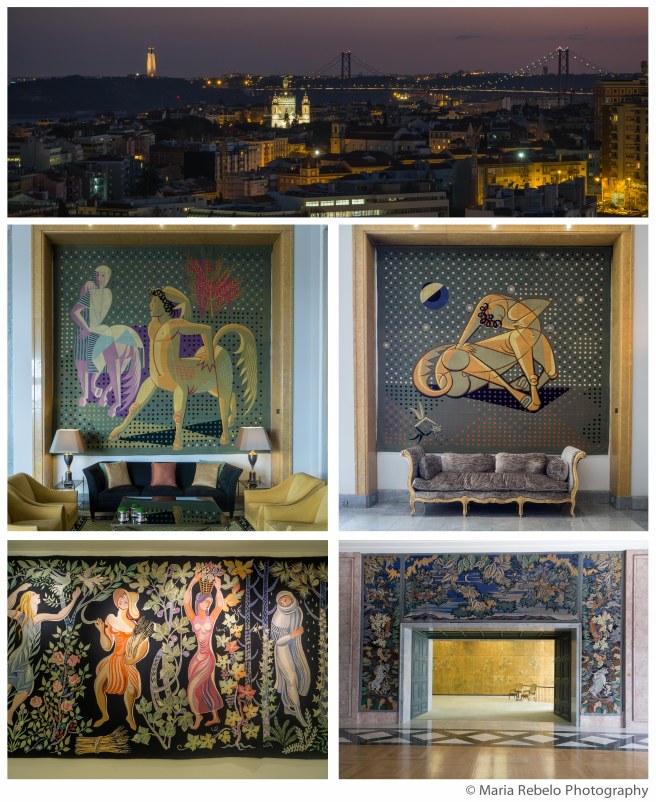
The entrepreneurs tapped Porfirio Pardal Monteiro to be the architect. It was an inspired choice. Monteiro used the Parthenon and the Erechtheum to guide his search for the ideal location. But he avoided the temptation to build a hotel that imitates the past. Instead, he drew inspiration from Le Corbusier to design a modern building with beautiful proportions.

Monteiro was friends with the great painter Almada Negreiros. He engaged Almada and other artists to produce works of art for the new hotel. The result is a stunning art collection that creates unique interior spaces. Almada designed exuberant tapestries with centaurs and etched agricultural motifs into black granite using gold leaf. His wife Sarah Afonso produced a joyous allegory of the seasons. Querubim Lapa, Martins Correia, Carlos Botelho and many others contributed to the collection of roughly 600 works of art.

The hotel has 4 elevators for the guests and 12 elevators for the staff. When it opened in 1959, it had 330 rooms and 400 employees. Even though the ratio is no longer the same, the service is still flawless. Run by the Four Reasons group, the hotel has been regularly renovated to continue to offer outstanding comfort. The elegant breakfast room is the perfect place to start your morning in Lisbon. The rooftop was converted into a modern gym with a running track that offers expansive views of the city.

The Four Seasons Hotel Ritz is one of Europe’s grand hotels, a unique combination of architecture, art, comfort, and hospitality that creates an unforgettable experience.

The Four Seasons Hotel Ritz in Lisbon is located at Rua Rodrigo da Fonseca, 88, tel. (21) 381-1400. Click here for the hotel website. 


A noble crab soup

IMG_1905 2

Almost three decades ago, a friend took us to a new restaurant called Nobre in the Ajuda neighborhood. The name, which means noble, came from the surname of the chef, Justa Nobre. We recall with fondness the meals we enjoyed there. After a successful run, Nobre closed so that the chef could pursue other projects,

Last week, the same friend invited us for lunch. We were delighted to discover that we were going to a new restaurant that marks Justa Nobre’s return to Ajuda. It is called “À Justa,” an expression based on the chef’s first name that means “just right.”

The menu offers a cuisine without foreign accents that has the satisfying taste of authenticity. The recipes are grounded in the cooking of Justa’s grandmothers. But they are not a copy of the past. They reflect years of refinements shaped by the personality and creativity of this self-taught chef.

The restaurant was full. The Portuguese like to flirt with contemporary food trends but they always come back to their one true love, which is the traditional cooking of Portugal.

We had a great meal that included bright green fava beans, chickpeas with codfish, codfish “pataniscas,” and fried cuttlefish. These delights were preceded by a classic of Justa Nobre’s repertoire: the spider crab soup. Its aristocratic taste makes all other seafood soups in Lisbon look common by comparison.

Many chefs keep their secrets, but Justa generously shared some of her recipes in a book titled Passion for Cooking. We translate her recipe for spider crab soup below. But you must try the original at À Justa where they make it just right.


Justa Nobre’s spider crab soup

Ingredients: 2 large spider crabs weighing about 1 kg. each, 3 liters of water, 3 tablespoons of sea salt, 150 grams of margarine, a large onion, 2 cloves of garlic, a parsley bunch, a sliced fennel head, 4 tablespoons of tomato paste, half liter of cream, 0.1 liter of dry white port, one teaspoon of powdered ginger, one teaspoon of saffron, 2 tablespoons of potato starch.

Preparation: Boil the crabs in the salted water for 8 minutes. Remove them, let then cool off and extract all the meat. Return the shells to the pan. Add some shrimp shells and let them boil for 10 minutes. In a large pot, melt the margarine and add the sliced onion, fennel and garlic. Let these ingredients cook briefly and then add the white port, the cream, the tomato paste, the spices, and two liters of the crab broth. Mix the potato starch with some cold water and add it to the soup. Check the seasoning and strain the soup. Add the crab meat and serve the soup it in the shell of the spider crab.

À Justa is located at Calçada Ajuda 107, in Lisbon. The restaurant seats only 36 people, so reservations are a must. Call 21 363 0993 or email reservas@ajusta.pt. Click here for Justa Nobre’s web site.


A rhyming guide to Lisbon

RBD_Lisboa_Sé
Lisbon, ink on paper, Rui Barreiros Duarte December 2017.

It you come to Lisbon by boat or by plane
As soon as you land, you must go to Belém
For there you can try sweet pastries so fine 
They serve them in heaven since 1837

There’s an old monastery, majestic and faery
And a tower that’s built with such precious marbles
Fish jump from the Tagus to see how it sparkles

If it is time for lunch
You do as you wish
But do not go home
Without trying codfish

Clams Bullhão Pato you also must try
It’s a dish so sublime
Foodies rave about it in prose and in rhyme

Which restaurant to choose?
If you really insist
We’ll tell you our favorites
Click here for a list

There are three main plazas that are worthy to see
Terreiro do Paço where the king used to live
Rossio that’s spacious and pretty like few
And then there’s Chiado with shops old and new

You must go to Alfama
The sole place to survive
The Lisbon earthquake of 1755

Then you can relax in an old coffee shop
And pencil a poem about love or loss
If you need inspiration, we know where to go
For a glass of “ginginha” that’ll make your words flow.

You can shop for a gift
For whomever you pick
Here’s a list of suggestions
Diverse and unique

If you’d like to hear fado, stop by Sr. Vinho
To see singers in black make their voices go far
Embraced by the sound of an ancient guitar

Lisbon forgives if you leave for a day
To see Sintra‘s palaces
Cascais and its bay

But you must come back soon
For the city has charms that it only reveals
To those who spend time in its seven hills