

The third lecture on the Douro Valley, led by the great viticulturist António Magalhães, focused on grape varietals. He began by reminding us that no grape can be understood in isolation and that, in the hierarchy of terroir elements, climate takes gold, soil silver, and grape varieties only bronze.
Why, then, are wine lovers so obsessed with varietals? The Californian winegrower Robert Mondavi helped transform grapes into celebrities—Cabernet Sauvignon and Chardonnay became the first wine influencers. He taught consumers to treat varietals as if they had fixed personalities—yet the same grape can dazzle in one vineyard and disappoint in another.
The Douro’s Grape Diversity
Italy is famous for its grape diversity, but its varieties are scattered across many regions. The Douro concentrates an extraordinary diversity into a single valley: there are currently 110 grape varieties authorized for Port and Denominação de Origem Controlada (DOC) wines, a rich palette essential for adapting vines to the valley’s wide range of climates and soils.
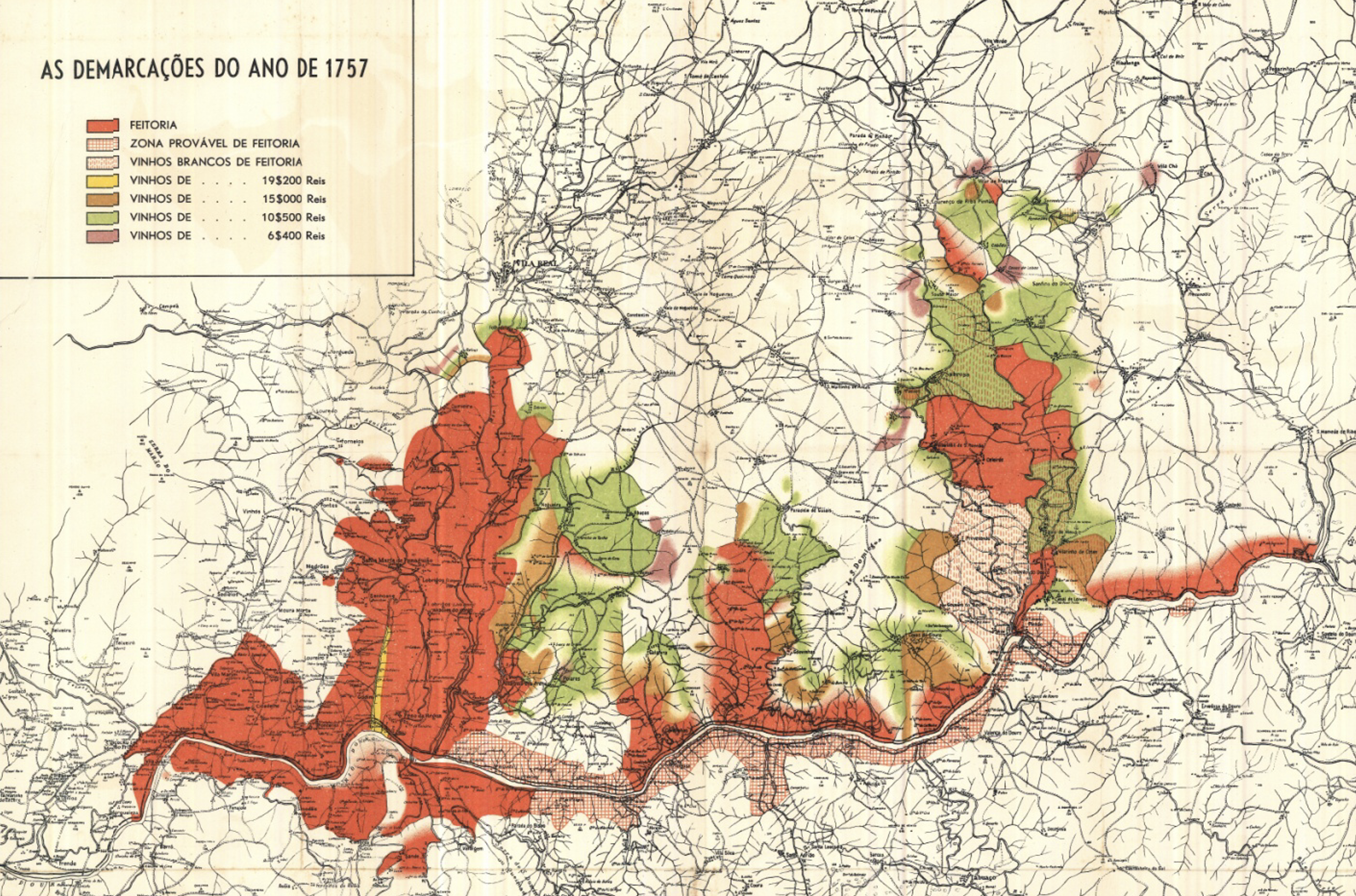
This grape diversity arose from two pivotal episodes. The 1756 demarcation of the Douro region by the Marquis of Pombal unified the valley’s scattered vineyard “islands,” promoting the circulation of cuttings from the best vines and attracting varieties from elsewhere in Portugal and abroad, now that only the Douro could legally produce Port wine.

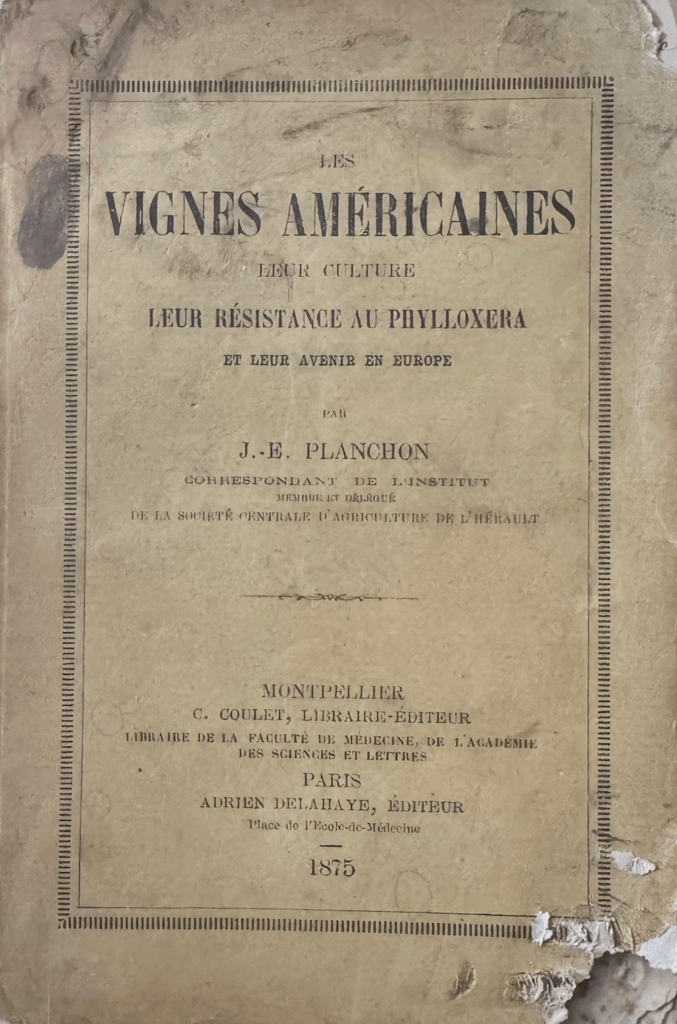
A century later, the phylloxera crisis triggered a second wave of diversity. Growers turned to Mourisco Tinto, a grape praised by the Baron of Forrester as “the original port-wine grape, of a Burgundy character, producing a wine free from acidity and full of fine dry flavour.”
Mourisco Tinto, a variety that is relatively resilient to phylloxera, has functionally female flowers that must be fertilized by neighboring varieties. This cross-pollination produced important new grape varieties, such as Tinta da Barca.
Despite its storied past, a 2017 government decree quietly removed Mourisco Tinto from the list of grapes permitted in Douro denomination wines. António mourns the loss of dignity inflicted on a variety that is the mother of so many Douro grapes.
What were the grapes planted in pre-phylloxera vineyards?
Key Varieties Before the Onset of Phylloxera in 1862-63
In 1846, the Baron of Forrester captured the essence of pre-phylloxera Douro red grapes in his trademark telegraphic English: Bastardo was “the sweetest,” Sousão “the deepest colored,” Alvarelhão “a claret grape,” and Touriga “the finest” — a four-word taxonomy of the old Douro.
Touriga Nacional—then simply Touriga, for no rival shared its name—was esteemed for its color and quality, even as it tested growers with its demands. After phylloxera, its cross with Mourisco Tinto produced Touriga Francesa, and the original Touriga acquired a new name, Touriga Nacional.
Tinta Francisca was a pillar of the old wines. For António, this grape is the epitome of elegance—upright in the vineyard, and capable of wines of striking finesse when carefully farmed. Its yields are modest, as if the varietal had taken a vow of Franciscan poverty.
Bastardo appears in nearly every pre-phylloxera inventory. Its early ripening made it irresistible to birds, and its weak performance in hot, dry years tarnished its reputation; after phylloxera, it was largely abandoned.

Francisco Rebello da Fonseca praised Tinto Cão in his renowned Agricultural Memoirs (1790). Exceptionally late-ripening, it “ripens well without drying or rotting” and produces strong, generous wines with remarkable acidity.
Vigorous and resilient, it falters in very cool years but excels in hot, dry ones. Its leaves dry and fall off early, exposing clusters that shrug off the same sun that crucifies other grapes. This resilience makes it one of the Douro varieties best suited to a warming climate.
As with the reds, early records identify the key white grapes. Gouveio was considered noble but finicky, thriving only at the right altitude and soil depth. Viosinho was valued yet scarce. Malvasias (Malmseys) were prized for Port, although growers rarely distinguished among their many subtypes. Rabigato was already admired for its complete profile, and Moscatel contributed its alluring aromas. Arinto do Douro, today known as Dorinto, also appears in early inventories.
Beyond these core grapes lay a multitude of other white varieties—once common, now rare or nearly extinct.
Replanting the Douro: The Grapes of the Post-Phylloxera Era
In the 1940s, Álvaro Moreira da Fonseca, the President of the Board of Casa do Douro (the vine-growers’ association), classified eighty-eight grape varieties—fifty-one red and thirty-seven white—into five categories ranging from very good to bad.
In winemaking, as in chamber music, the quartet is a natural ensemble. The four grapes that have long formed the backbone of Ports and DOC Douro reds—Touriga Nacional, Touriga Francesa (also known as Touriga Franca), Tinta Roriz, and Tinta Barroca—play together with the balance and tension of a seasoned string quartet. Each contributes a distinct voice; together, they create harmony.
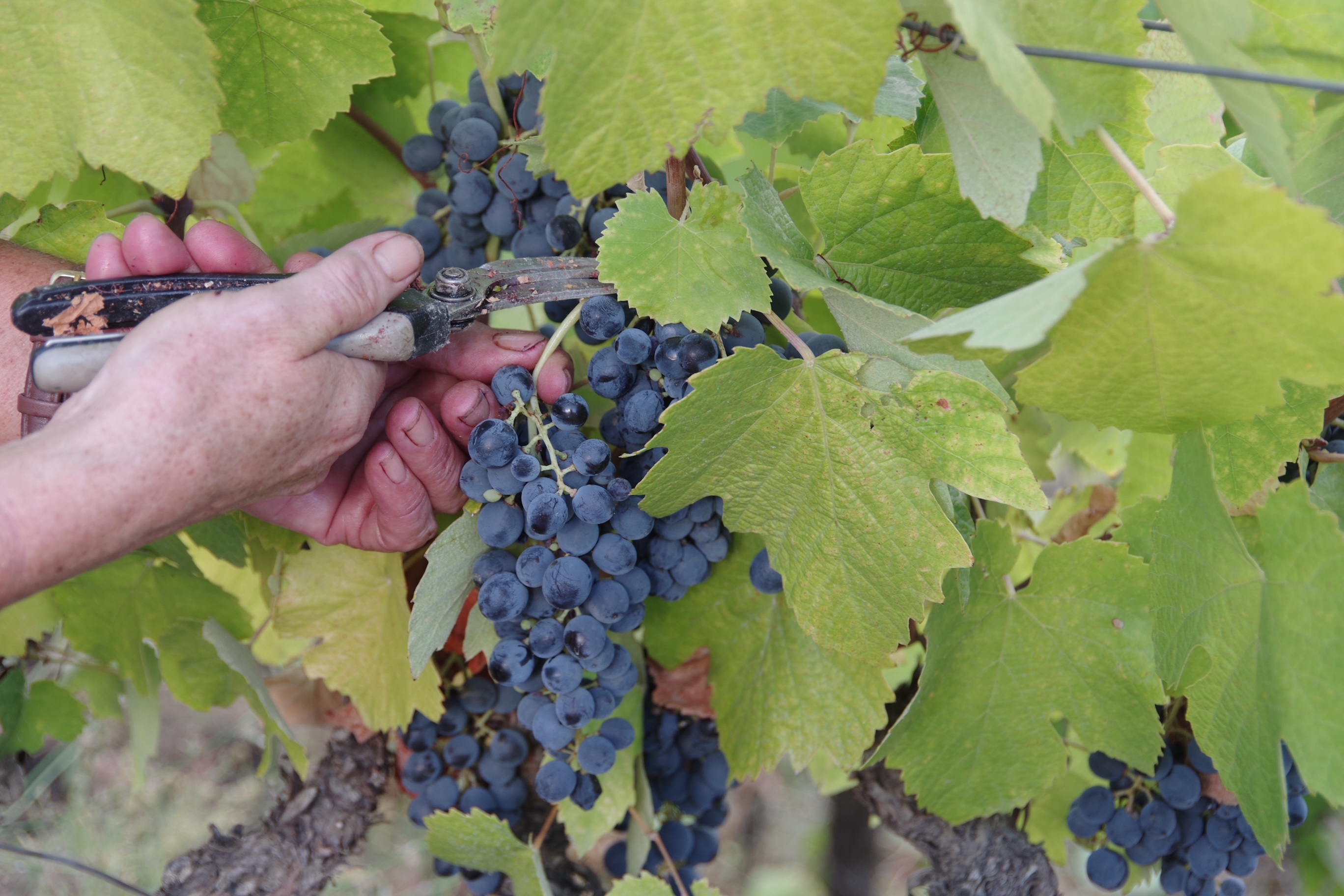
Touriga Nacional has been the Douro’s first violin for more than two centuries. Nineteenth-century grapevine botanists praise its thick-skinned berries, velvety wines, and remarkable balance, placing it among Portugal’s noblest grapes and worthy of comparison with the world’s best varieties. Yet after phylloxera, Touriga Nacional fell out of favor: it was laborious to train, produced too many small clusters, and exhausted growers’ patience. Its less demanding descendants—Touriga Francesa, Tinta Barroca, and Tinta da Barca—took center stage. Only in the 1970s and 1980s, when Port shippers became large-scale viticulturists, did Touriga Nacional regain its pre-phylloxera prestige, becoming a cornerstone of both Port and Douro DOC wines.
Touriga Francesa, today the Douro’s most widely planted grape, is the quartet’s second violin. A cross of Mourisco Tinto and Touriga Nacional, its name likely an homage to the French hybridization school that may have helped create it.
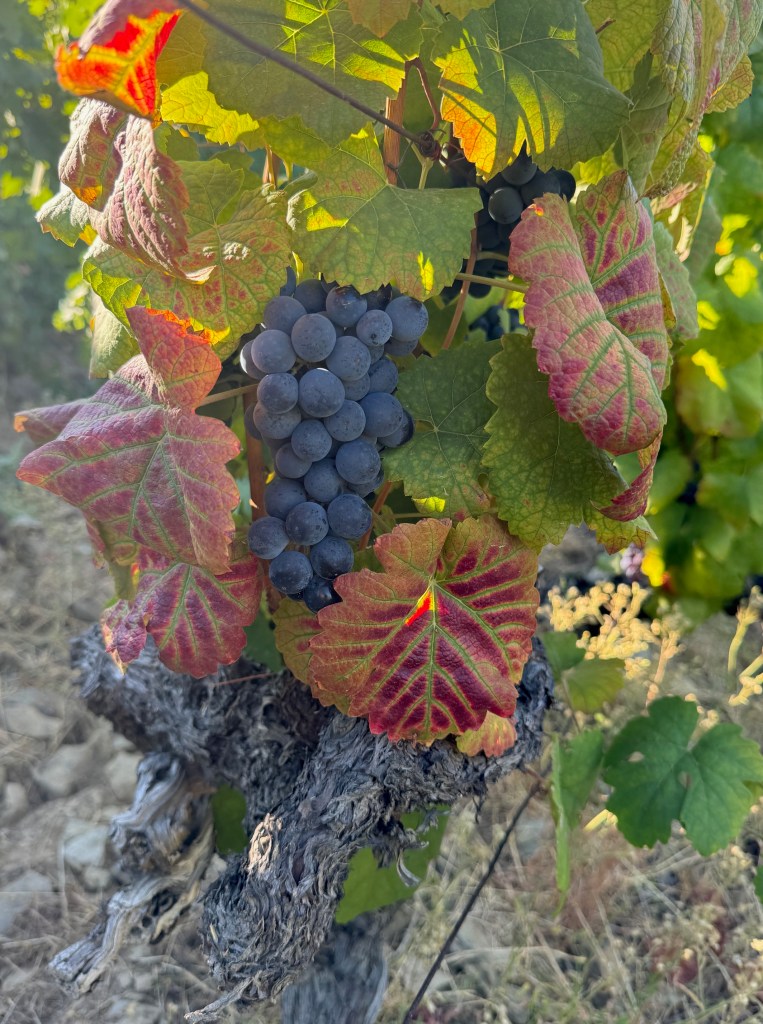
In the vineyard, it performs with admirable consistency: productive, reliable, and notably resistant to powdery mildew, downy mildew, and heat. It thrives across a wider range of soils than Touriga Nacional and performs just as gracefully in the cellar, yielding deeply colored, aromatic wines with soft tannins and long life. Its only caprice is timing: the harvest window is narrow, and the vines offer few clues when the fruit reaches its peak.
But no variety is perfect. In 1989, António discovered that Touriga Francesa is unusually hospitable to Lobesia botrana (grape moth), especially when planted outside of a field blend.
Tinta Roriz, the Douro’s second most planted red variety, is the viola of the region. Its personality is complex—vigorous yet disease-prone, early-ripening, and very sensitive to its site. In the right place, it delivers depth, firm tannins, and remarkable aging potential. It is indispensable in Port and ubiquitous in old field blends. But when planted in unsuitable locations or grafted onto overly vigorous rootstocks, it yields disappointing results. For this reason, it does not always receive the appreciation it deserves from Douro winemakers.
Tinta Barroca, another cross of Mourisco Tinto and Touriga Nacional, may be identical to the pre-phylloxera Boca de Mina praised by Forrester as “the most delicious.” In musical terms, it is the cello—naturally sweet with a supple texture. Early-ripening with high color and low tannins, it excels on cooler or north-facing slopes where its sugars stay in balance. Its vigor and sprawling shoots complicate canopy management, and Downy mildew can trouble it, though oidium rarely does.
But in the Douro, a quartet rarely suffices. Most winemakers rely on six or more varietals. Supporting grapes like Tinta Amarela, Tinto Cão, Tinta Francisca, and Tinta da Barca—along with others like Rufete, Malvasia Preta, Sousão, and Cornifesto—add color, acidity, perfume, structure, and nuance. Together they create the fuller orchestra needed to reveal the Douro’s symphonic splendor.
As with the red varieties, each white grape carries a distinct personality shaped by altitude, exposure, and soil. Viosinho is a Douro ex-libris—elegant, early-ripening, with golden berries that glow on sun-exposed parcels. It brings citrus-floral lift and finesse to both dry whites and the finest white Ports, though it requires vigilance against powdery mildew.
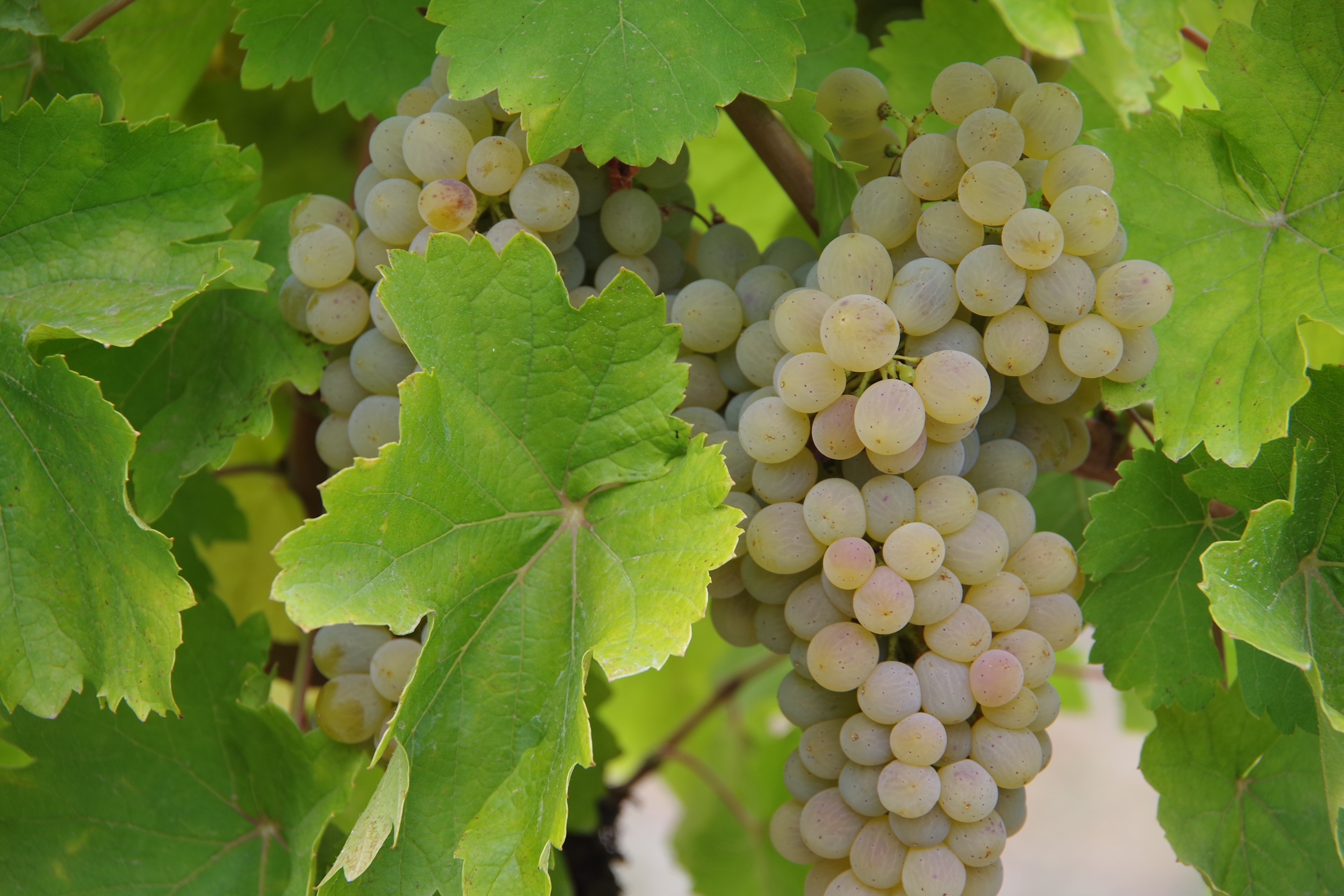
Traditionally more tied to Port production than to dry Douro whites, Malvasia Fina ripens early and easily reaches raisin stage, making altitude and cooler sites its natural allies. In shallow soils it struggles, and in deep soils it becomes overly vigorous, shading bunches and encouraging powdery mildew. When well grown, it contributes fragrance, texture, and a touch of richness to blends.
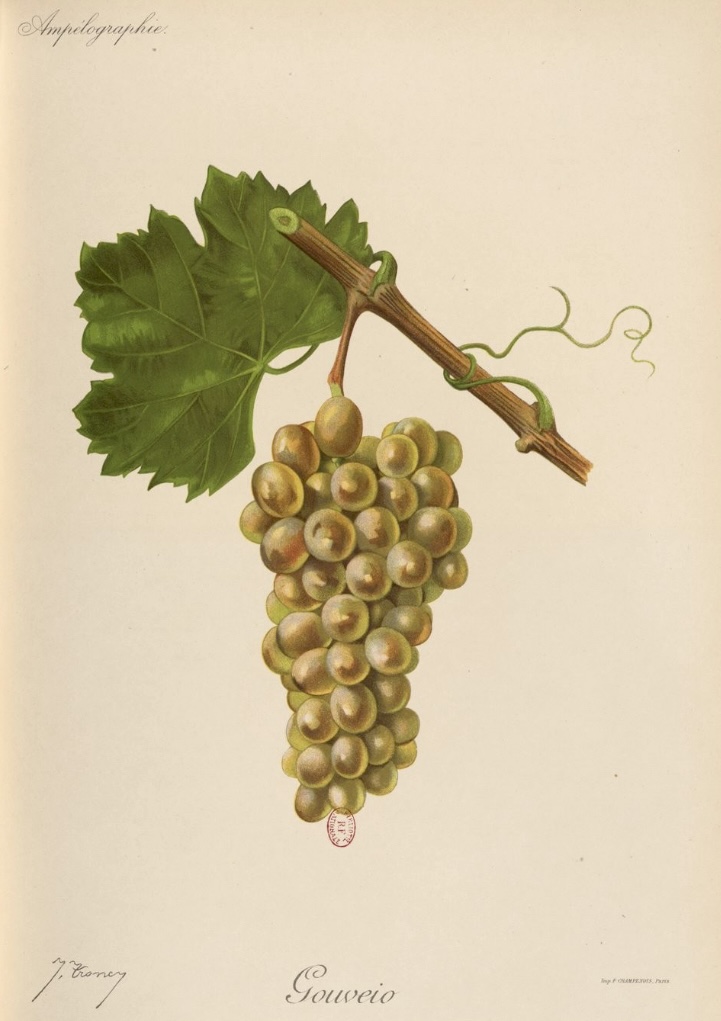
Gouveio is an ancient Douro variety discussed in Rui Fernandes’ 1531 survey of the Lamego region. It is low-yielding and delicate; its thin skins make it vulnerable to sunburn and powdery mildew, so it requires sheltered sites. It produces firm, well-structured wines with good alcohol and remains essential to both Port and high-quality Douro table whites.
Rabigato has long been recognized as an elite white grape, praised for its noble character and distinctive, highly valued flavor. It ripens late, and although its thick skins once suggested resistance to rot, plantings in monovarietal parcels have shown that it is, in fact, highly susceptible to downy mildew. Despite this fragility, its rise in the Douro has been meteoric, excelling both as a single-varietal and as a vital contributor to blends.
Another white grape moving beyond old field blends into solo bottlings, Códega do Larinho stands out for the complexity of its fruity aroma. In blends, it adds character and perfume, though it sometimes relies on companions to supply the acidity it can lack. Its charm lies in its exuberance and adaptability.
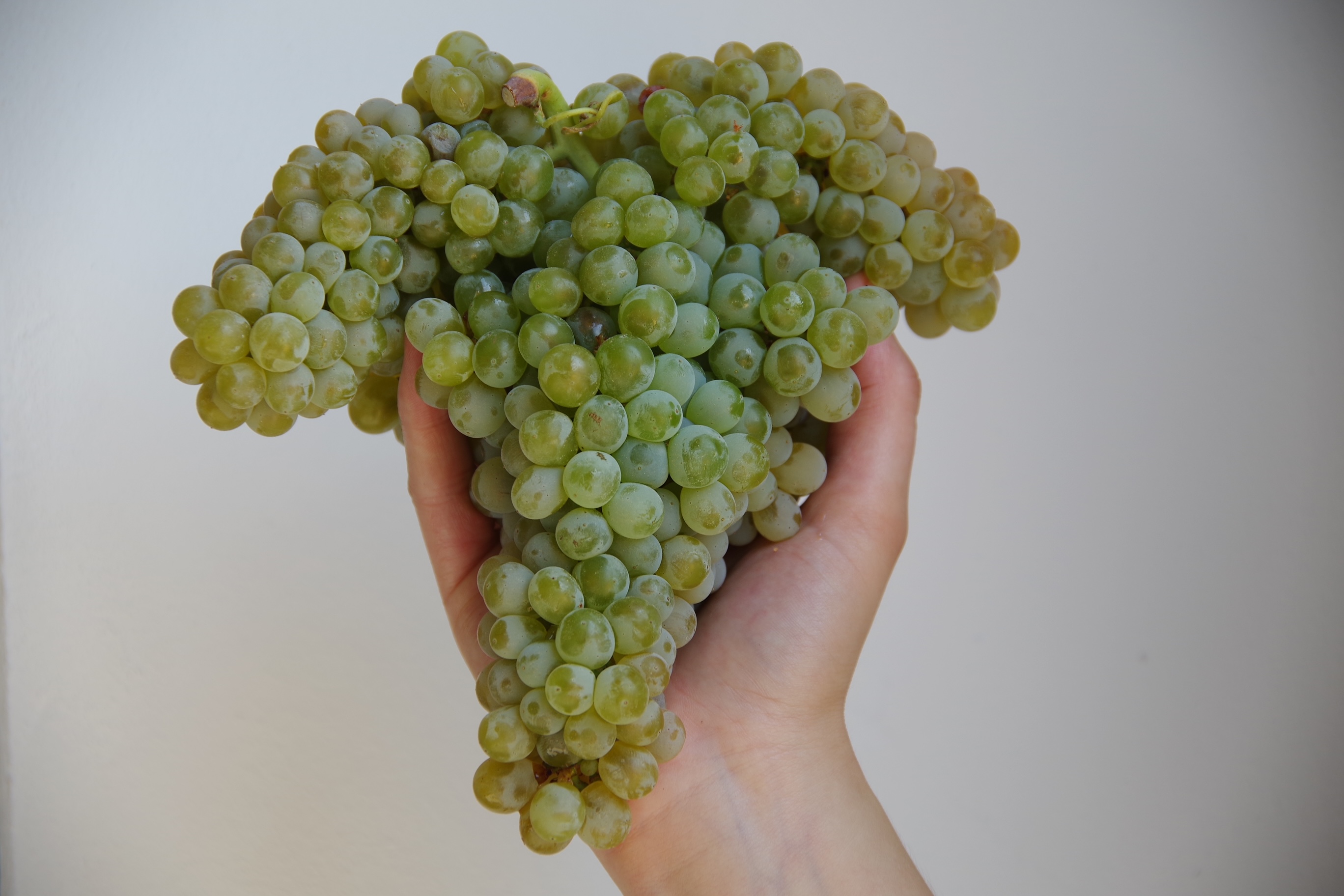
Arinto’s star keeps rising thanks to its late ripening, naturally high acidity, and impressive heat resistance. In the Douro, it is traditionally used in blends—completing the classic trio of Malvasia Fina, Viosinho, and Gouveio. It provides freshness, tension, and backbone in a region where heat is always a challenge. Dourinto, the indigenous Arinto, has fallen out of favor compared to the Arinto from Bucellas, near Lisbon, but it still lingers in many vineyards, waiting to be rediscovered.
Moscatel Galego Branco found its spiritual home in Favaios and Alijó, where it gives life to the Douro’s fortified Moscatel wines, making the Douro the only wine region to craft two fortified wines—Port and Moscatel. Throughout the valley, winemakers draw on Moscatel Galego Branco’s unmistakable floral aromatics to enrich a wide range of blends. It remains one of the Douro’s most expressive and recognizable white varieties.
For white grapes, the core ensemble is led by Viosinho, Gouveio, and Rabigato. Malvasia Fina completes the quartet for Port production, while Códega de Larinho takes the fourth chair for DOC Douro wines. Yet, as with the reds, most producers favor a fuller quintet—drawing on all these varieties, or a sextet that adds Arinto to achieve greater balance, nuance, and harmony.
Massal versus Clonal Selection
Knowing the varieties is only the beginning; equally important is how vines are propagated. The choice between massal and clonal selection shapes diversity, disease resistance, and wine style.
António argues that massal selection should take precedence over clonal selection. Clonal selection multiplies a single vine, ensuring uniformity but narrowing genetic diversity and increasing vulnerability to disease.
Massal selection is like saving seeds from your best heirloom tomatoes. It preserves natural diversity within a variety—differences in ripening, acidity, and disease tolerance—and honors the personality of a site. António notes that identical DNA does not guarantee identical behavior in the vineyard or in the cellar. Tinta Roriz may share its genetic code with Aragonês and Tempranillo, but centuries in Douro soils have shaped it into something distinct. The same is true of Souzão and Vinhão.
António admires Italy’s guardians of grape varieties—people who preserve living collections of rare grapes. The Douro, with its extraordinary diversity, needs similar guardians.
Soloists
Once vines are in the ground, winemakers must decide how to use their fruit. And much as in an orchestra where only a few instruments can captivate an audience when playing unaccompanied, only a handful of Douro grapes can enthrall wine lovers as soloists.
Touriga Nacional is the clearest example, capable of depth, elegance, and longevity, although it is often too exuberant for Port unless blended. Tinto Cão is another–superb when planted in hot, western-facing slopes. Among the whites, Rabigato and Gouveio are steadily earning soloist status.
Most varieties, however, play supporting roles: Barroca brings sweetness and color, Sousão deepens the hue, Rufete contributes delicacy, and Malvasia Preta or Cornifesto add nuance and acidity.
There are, of course, exceptions. In Ravel’s Boléro, the bassoon unexpectedly rises to lead the melody. Similarly, in the Douro, a modest grape can sometimes make a vineyard sing. In the original vines at Quinta da Réduída, in Folgosa do Douro (Cima Corgo), Malvasia Preta—considered merely “good” by Álvaro Moreira da Fonseca–comprises forty percent of the field blend and yields a superb wine.
Tinta Barca and Tinto Cão
The Douro’s Four Blends
Single-varietal wines are an intriguing new trend, but the Douro’s character is best expressed in the way winemakers bring grapes together to create blends of remarkable harmony and depth. They blend varieties in the vineyard, combine them in the granite lagares during fermentation, and later assemble wines from different plots—and, in the case of Tawny Ports, even from different vintages.
The Magic of Field Blends
António says a winery needs a core palette of about a dozen varietals, though having twenty or thirty across white and red grapes is even better. The Douro’s Mediterranean climate, with its year-to-year weather fluctuations, gives each vintage its own triumphs and trials: some grapes flourish while others struggle. Planting many varieties together helps obtain reliable results even when varieties ripen at the wrong time, and when the weather affects the various stages of the vine’s life cycle, from budbreak to harvest.
Old field blends mix red and white grapes, major and obscure varieties—a randomness that demands care at harvest time but preserves priceless genetic diversity.
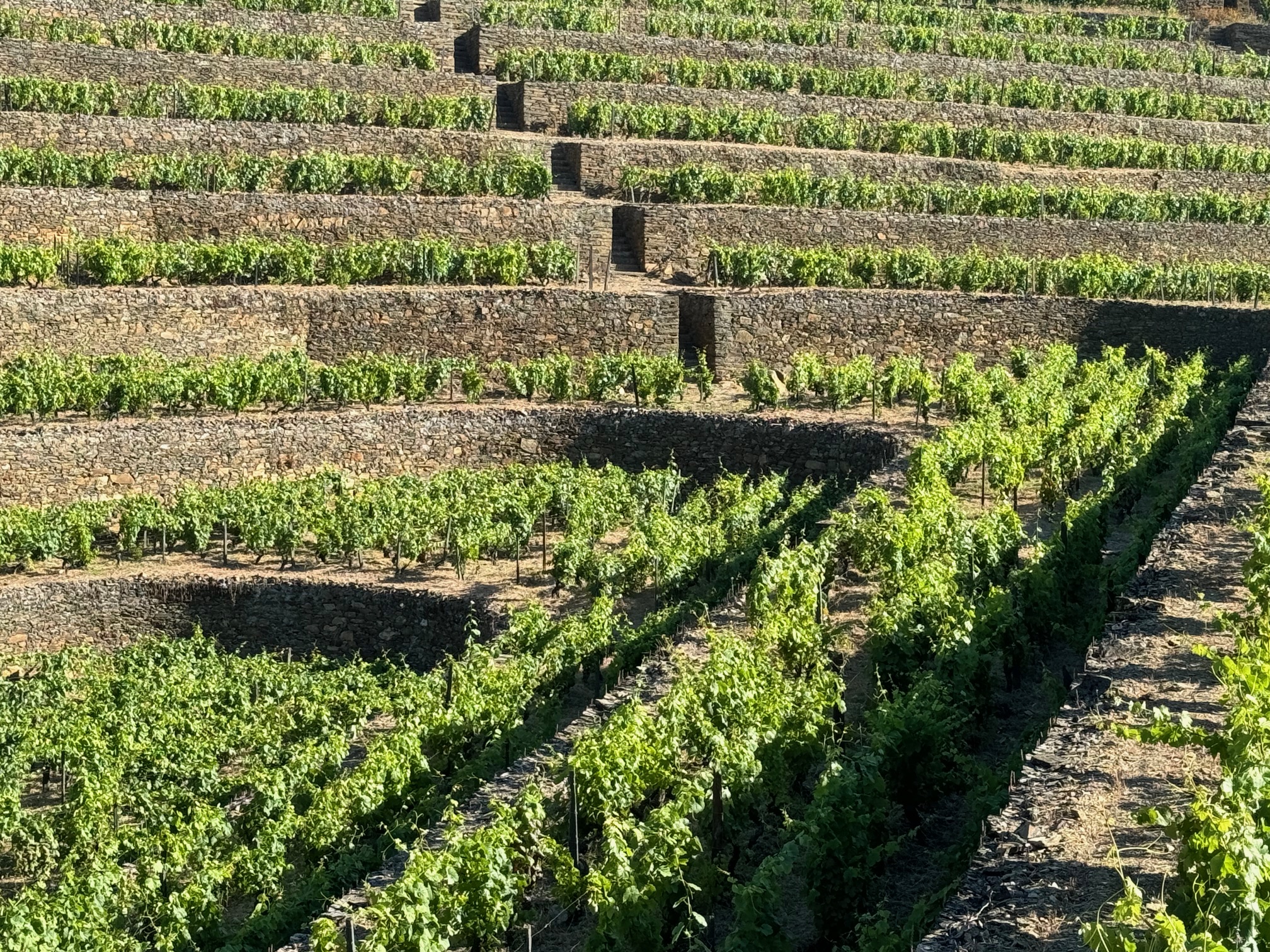
After 1970, field blends were modernized. Today’s approach preserves diversity across varieties, while massal selection safeguards diversity within each variety. Viticulturists fine-tune the choice of grapes to the vineyard’s location, soil structure—especially soil depth—and to microclimates shaped by topography, altitude, and solar exposure. Each vineyard thus becomes an irreproducible mosaic of grape varieties.
During harvest, the blend can be refined by adjusting how much of each variety is picked, by advancing or delaying the picking of certain grapes, and by bringing fruit from early- or late-ripening parcels together with grapes from other vineyards to create a more harmonious whole.
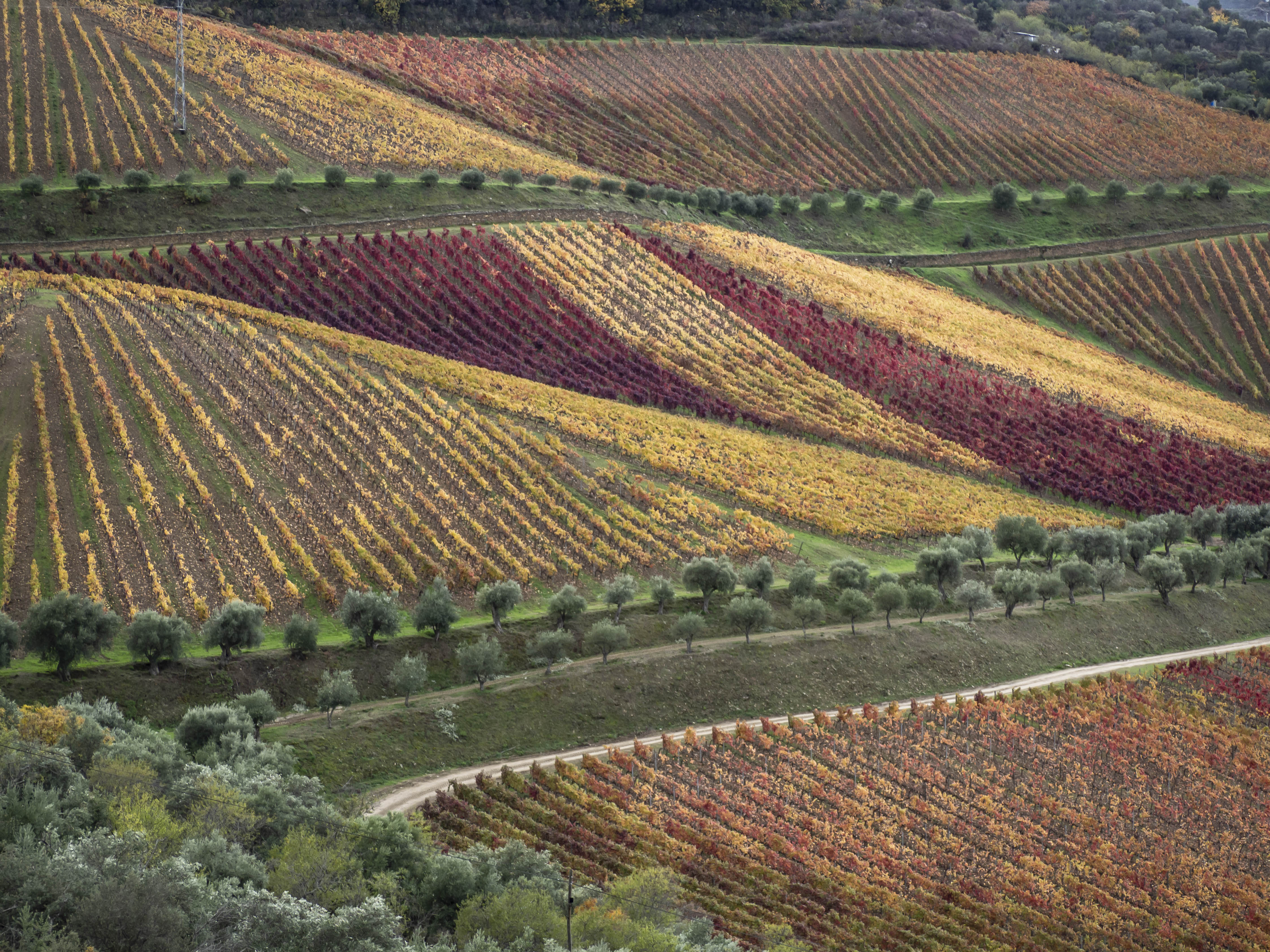
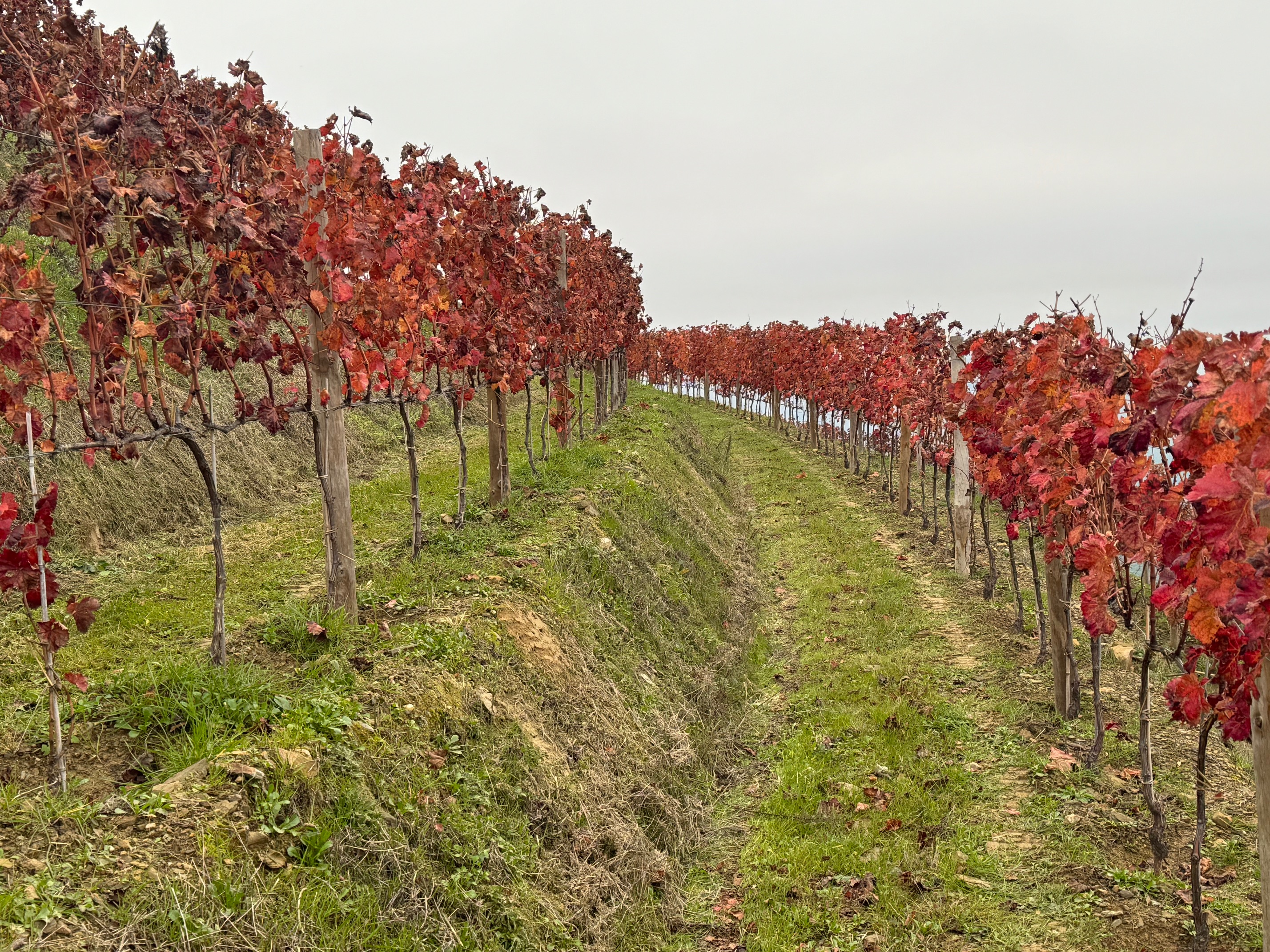
When designing a field blend, viticulturists also value the vineyard’s beauty. In choosing which varieties to plant, they imagine not only the wine they will yield but also how the leaves will glow green in spring and burnish into a tapestry of yellow and red hues, allowing the Douro to reinvent its beauty in every season.
Co-Fermentation in the Lagar
In 1790, Francisco Rebello da Fonseca discussed the essential principles of field blending and co-fermentation. He observed that wines best suited to aging and long sea voyages required an austere, astringent profile with a firm vinous bite—a character achieved by combining less-sweet, slightly acidic grapes with sweeter ones.
Rebello da Fonseca criticized the growing trend of fermenting each variety separately rather than co-fermenting grapes that complement each other. Indeed, in the lagares–the granite tanks used for grape fermentation–co-fermentation often yields results unattainable through separate vinifications. Tinta Barroca, for example, gains structure when fermented alongside a tannic partner such as Touriga Francesa. Such fermentations create interactions—between tannins, pigments, and aromatics—that cannot be replicated by blending finished wines.
Blending Across the Hillsides
Enologists blend grapes that originate from different plots. Grapes from higher plots bring acidity and freshness; those from lower sites contribute alcohol, tannins, and color. Together they form balanced, expressive wines.
To produce ruby ports in general, and vintage ports in particular, master blenders combine wines from different plots and, sometimes, from different estates.
This practice is not unique to Port. Some table wines also draw on fruit from multiple estates. The famous Barca Velha, the table wine first produced by Fernando Nicolau de Almeida in 1952, was a blend of grapes from Quinta do Vale Meão in the hot Douro Superior and from higher-altitude vineyards in Meda.
Blending Through Time: Tawny and Crusted Ports
In Tawny Ports, different vintages are blended in the same bottle, each carrying the imprint of its own harvest and years in wood. Older wines offer depth and wisdom, and younger ones brightness and energy, resulting in a symphony of flavors and aromas.
When Port was shipped in barrels, British merchants would blend wines from more than one Vintage, age them in large wooden vats, and bottle them unfiltered. These “Crusted Ports” took their name from the natural crust or sediment that formed in the bottle. Today, only a few houses, such as Fonseca, preserve this traditional style.
Coda
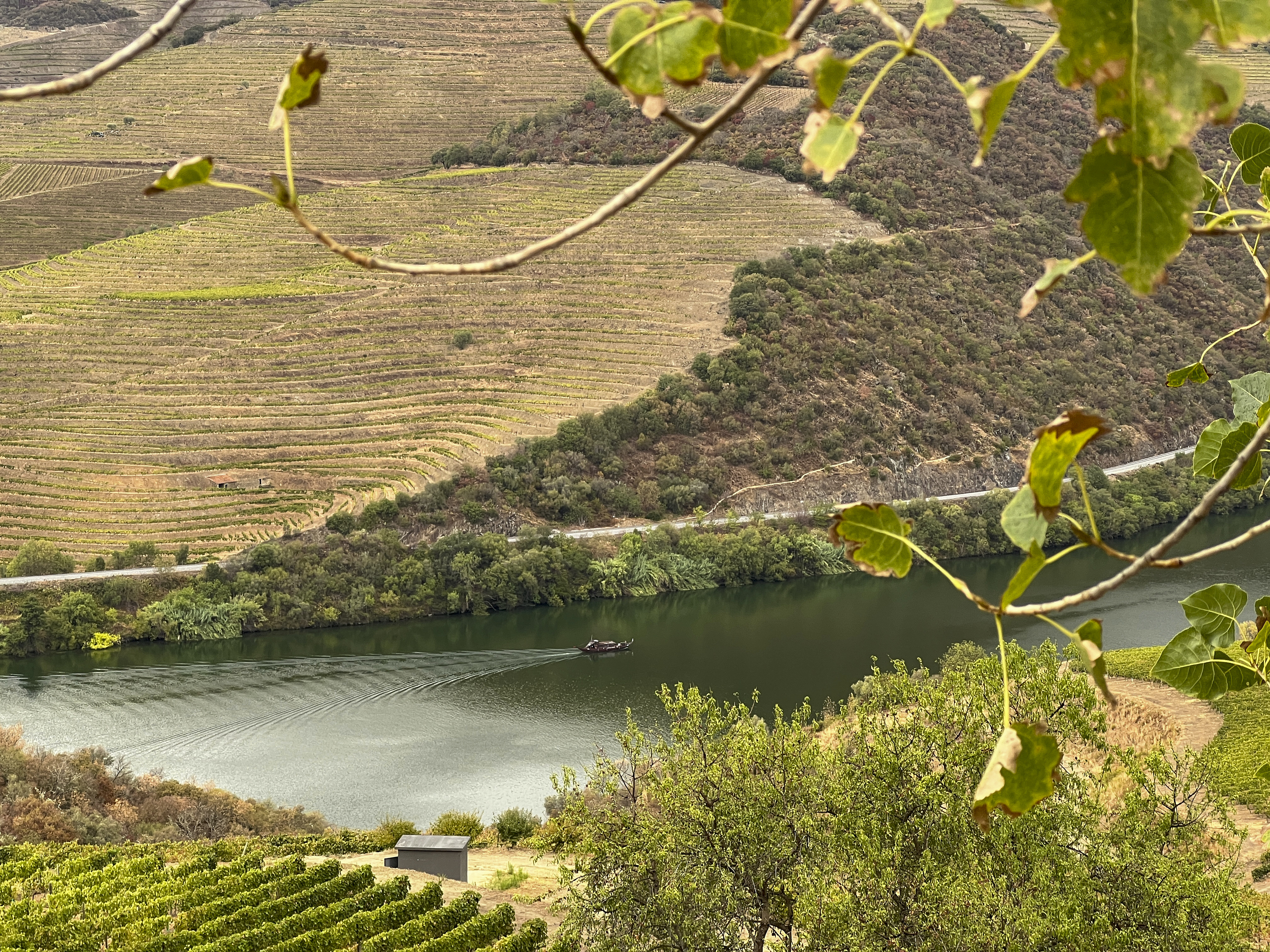
With each passing year, the art of blending preserves the Douro’s identity—a landscape defined by diversity and adaptation, and by the harmony created by climate, soil, and vineyards that produce extraordinary wines.







 Salt of Portugal