The serene beauty of Flor da Rosa

DCIM102GOPRO

On the way to Flor da Rosa, a medieval castle converted into an historical hotel, we traveled through small villages lost in time and fields of cork and olive trees. Nothing prepared us for the sight of the castle standing proudly on the Alentejo plain.

The hotel has 24 rooms with beautiful views of the countryside and a swimming pool that overlooks the castle. The space is designed to offer guests great privacy. And the staff is so attentive that they made us feel like royalty.

The next morning, we woke up in luxurious silence, far from the cacophony of modern life. We relaxed by the pool until it was time for lunch. We then headed to the restaurant where we tried some wonderful renditions of the local gastronomy: purslane soup, fish in coriander sauce, and marinated rabbit. These courses were followed by cheese from Nisa and Serpa. Our taste buds were celebrating these amazing gifts from the shepherds of Alentejo when a sampling of desserts arrived. They had uncommon names like “sericaia” and “encharcada,” and rightly so for everyday words cannot begin to describe these sweet creations.

We had a great time sightseeing around Crato, the village where the hotel is located. In the late afternoon, the church bell reminded us that the sun would soon retire and that it was time to return to the castle. As we crossed the vaulted arches, we heard birds singing. These are the same sounds that were heard in the castle during the middle ages. Flor da Rosa is a precious time capsule that preserves the beauty of an age gone by.

Click here for the Pousadas’ website and here for more photos of Flor da Rosa.

Alcobaça

RBD_Alcobaça
Alcobaça, ink on paper, Rui Barreiros Duarte, 2014.

To understand Portugal, you have to visit Alcobaça. It was here that the first king of Portugal, Dom Afonso Henriques, founded a monastery in thanksgiving for his conquests. He laid the first stone in 1148 on a beautiful valley irrigated by two rivers, Alcoa and Baça.

Alcobaça became a center of agricultural research with a vast library that included volumes printed by Gutenberg. The monastery served as a luxury hotel for the royal family and their guests, but it also baked bread to feed the poor. The kitchen of the monastery was famous throughout the kingdom. Water from the river Alcoa runs through the kitchen, providing water for cleaning and cooking.

Built in an early gothic style, the monastery was expanded and renovated throughout the centuries. King Dom Pedro erected sumptuous tombs to celebrate his eternal love for Inês de Castro. Henry the Navigator, who was the abbot of Alcobaça, built a palace inside the abbey. Every stone of the Alcobaça monastery is a page of the history of Portugal.

A beach fling

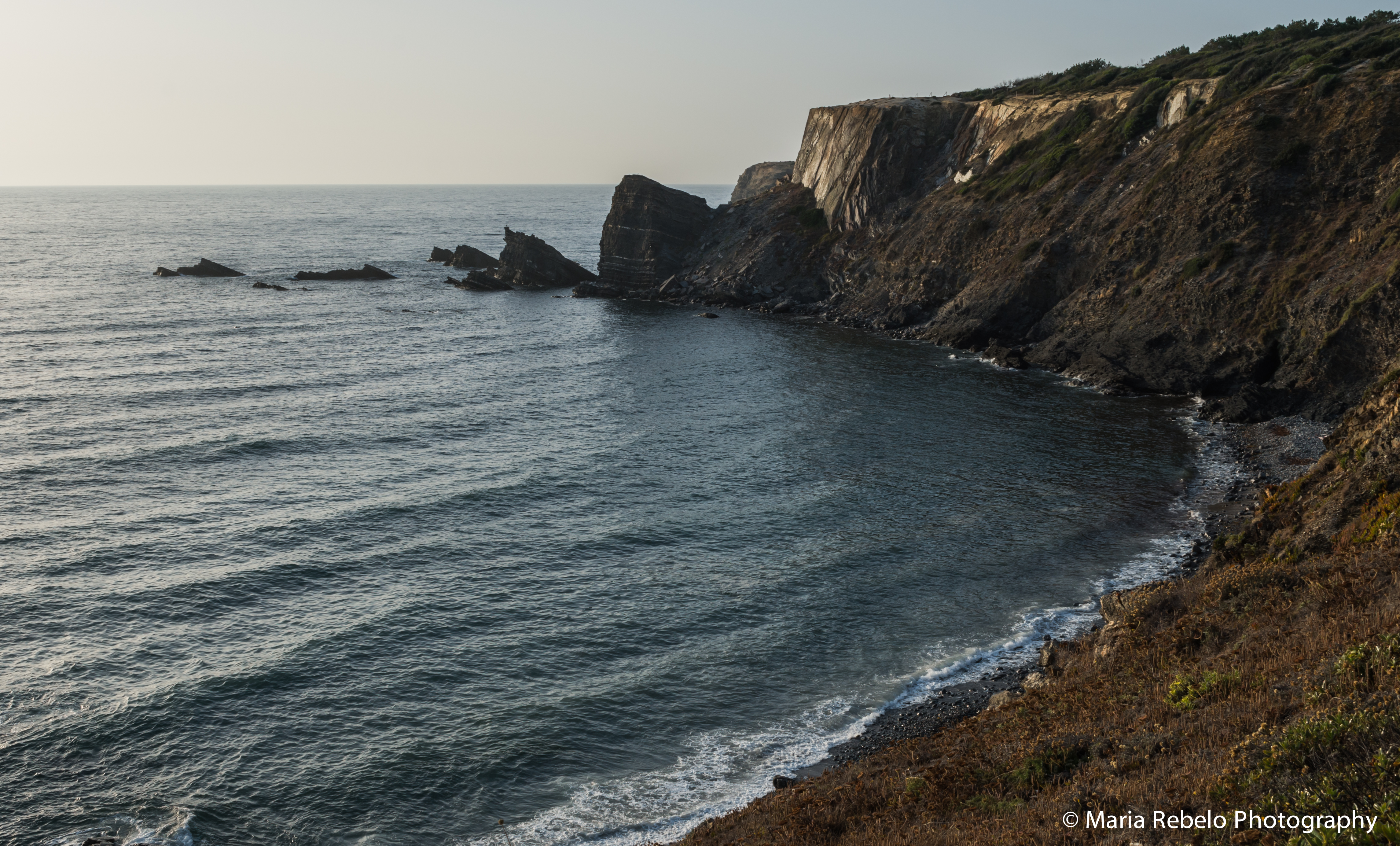
PraiadoAbano

First-time visitors to Lisbon are often surprised by its beauty. But, when you live in the capital city, you begin to take this beauty for granted and look around for something new. You don’t have to look far. Drive a few miles down the coast and you’ll find secluded beaches that will tempt your heart.

One of these beaches is Praia do Abano, on the coast of Cascais. Its cliff top offers breathtaking views of the Sintra mountain and the endless sea. Sheltered from the wind, Abano is the perfect place to enjoy a day in the sun.

There is a rustic restaurant on top of the cliff that you won’t find in tourist guides. It serves simple, wonderful food, such as amazing clams with irresistible country bread, delicious rabbit cooked in wine, and flavorful shrimp “açorda.” It is an unforgettable experience to dine there while the sun melts and the moon comes out to gild the sea with silver light.

An afternoon at Abano feels like a vacation. You return to Lisbon relaxed and content and, when you arrive at the capital, you are surprised by its beauty all over again.

The Abano beach is 21 miles from Lisbon. The telephone number of Restaurant Abano is 214870342.

Farmers markets

D. Natividade

We love going to farmers markets. We always imagine we are in a museum and study the whimsical shapes of the vegetables, the exuberant colors of the fruit, and the amazing aromas.

Most of these fruits and vegetables cannot withstand long distance travel or extended stays in supermarket shelves. But what they lack in endurance they more than make up in taste and smell.

We enjoy talking to the fruits and vegetable vendors. They always have interesting insights about their produce as well as about life. So, if you see a sign saying “Mercado,” follow it. You’ll find food for your body and wisdom for your soul.

The photo shows three generations of wonderful fruits and vegetable vendors: Dona Natividade, her daughter in law and her granddaughter.

Madeira wine

MadeiraMadeira is a fortified wine produced in the island of Madeira. Brandy is added during fermentation to kill the yeast and prevent it from converting all the sugar into alcohol. The result is a sweet wine that can endure the changes in temperature that used to occur during shipping.

George Washington and Thomas Jefferson kept their cellars well stocked with Madeira. So did John Adams, who said that a few glasses of Madeira made anyone feel capable of being president. Perhaps for this reason, both the signing of the American Constitution and the Declaration of Independence were celebrated with Madeira.

There are several different types of Madeira, depending on the varietals used in their production. The most popular varietal, Malvasia or Malmsey, produces a sweet, smooth wine. Sercial makes an excellent dry aperitif. Verdelho makes an elegant semi-dry wine. Bual produces a dark amber semi-sweet wine.

They’re all irresistible, which is why, in Shakespeare’s play Henry VI, Falstaff is accused of selling his soul to the devil for a glass of Madeira.

Lisbon’s most famous café

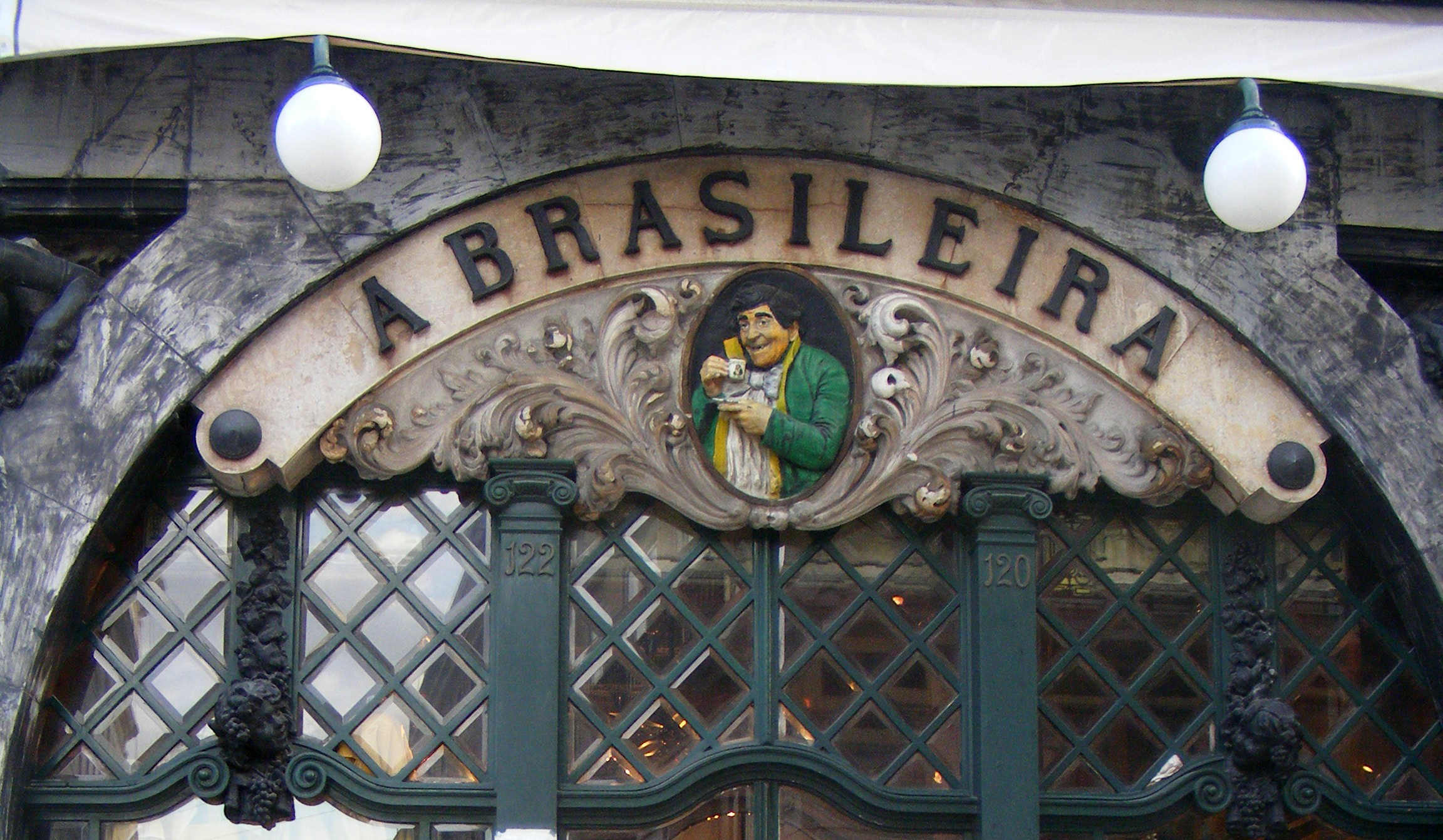
If you are near Chiado, don’t miss the chance to have an espresso in Lisbon’s most famous café, A Brasileira. The poet Fernando Pessoa spent here many golden hours, writing words that became immortal. If you want to pay homage to his genius, do not take a photo with the awkward Pessoa statue resting in the esplanade. Sit instead at a table and write a poem.

The blank page can be intimidating, so it might help you to know that Pessoa’s first poem was a modest effort. When he was seven, his widowed mother decided to remarry and start a new life in South Africa. Pessoa, worried that she might leave him behind in Lisbon, gave her this poem :

Here I am in Portugal
In the land where I was born
As much as I adore it
I love you even more

These simple words were Pessoa’s ticket to South Africa. So, summon the muses and write their whispers on your blank page. Who knows where those words might take you!

A Portuguese lullaby

This post is our 100th!  Thanks to all the readers who have been following us on this journey through all that is glorious in Portugal. We decided to celebrate by posting a recording of a Portuguese folk tune which you can’t hear anywhere else.

Portugal has a treasure trove of traditional music which evolved over centuries. Each generation burnished the melodies, sharpened the rhythms, and clarified the rhymes until all that is left is pure emotion.

Today we bring you Menino d’oiro (golden baby boy), a lullaby made popular by the folk singer José Afonso. Our version is a home recording made with soprano Cecília Fontes, violinists Evandra Gonçalves and Teresa Mascarenhas, conductor Joana Carneiro on viola, and Sergio Rebelo on guitar. Pedro Rebelo mixed and produced the recording.

Even if you don’t understand the lyrics, we bet you can feel the mother’s emotions as she lulls her precious baby to sleep.

Island cheese

Queijo da Ilha is a wonderful cheese produced in the Azores archipelago since the 16th century. The most famous variety comes from the island of St. Jorge. It is hard and has a sharp, spicy flavor.

What makes queijo da Ilha so unique is that it is made from the milk of cows that roam freely across the pastures of the Azores. Farmers spend their days following their cows to milk them. It is not uncommon for cows to wander into a bookstore or a museum, perhaps looking for the famous Andy Warhol cow paintings. It is a privilege to taste cheese from animals who are such free spirits.

Pizza in Lisbon

It happens to the best of us. You are in Lisbon, enjoying the fresh fish and the wonderful seafood when, suddenly, you have a craving for pizza! There’s no need to rush to the airport and fly to Naples. You can satisfy your longing for Italian food in Lisbon.

In the 1970s, Maria Paola Porru moved from Italy to Portugal to study cinema. Years later, she opened Casanostra, a restaurant in Bairro Alto, planning to go back to the movie industry once she made some money. But the restaurant was so successful that she continued to run it while working as a sound engineer in several motion pictures.

A few years ago, Porru opened the Pizzeria Casanova in a beautiful location by the Tagus river. The Pizzeria does not accept reservations and there is often a long line. It is here that young people go to see and be seen because, while they wait for some of the best pizza on this side of the Tiber, they feel they’re in a movie.

Restaurante Casanostra, Travessa do Poço da Cidade, nº 60, Bairro Alto, Lisboa, tel. 21 342 59 31, email Italma@sapo.pt. Restaurante Casanova, Avenida Infante Dom Henrique Cais da Pedra à Bica do Sapato, Loja 7, Lisboa, tel. 218877532. 

Three reasons to learn Portuguese

1. To understand more. The Italians say that “traduttore, traditore,” translators are traitors.  Authors labor over every word, but much of the meaning they create is lost in translation. Learning Portuguese opens the doors to a new world of elegant novels, inspired poetry and fabulous travel tales by Portuguese, Brazilian and African writers. Which other language allows you to read the literary hearts and minds of three continents?

2. To gain more insight. The philosopher Ludwig Wittgenstein wrote that  “what we cannot speak about we must pass over in silence.” Language is the scaffold of thought. A new language can take your thinking to new heights, forming synapses that feed creativity and insight. Why learn Portuguese? Here you have to trust the great poet Fernando Pessoa who said that English is the language of science but Portuguese is the language of feelings. So you need both, you see?

3. To sway knowingly to the sound of Bossa Nova. Brazilian music is an irresistible combination of African rhythms, jazz harmonies, and tropical sensibility. And these songs have romantic, funny, sunny lyrics which will make your heart sing.