Portuguese sausage

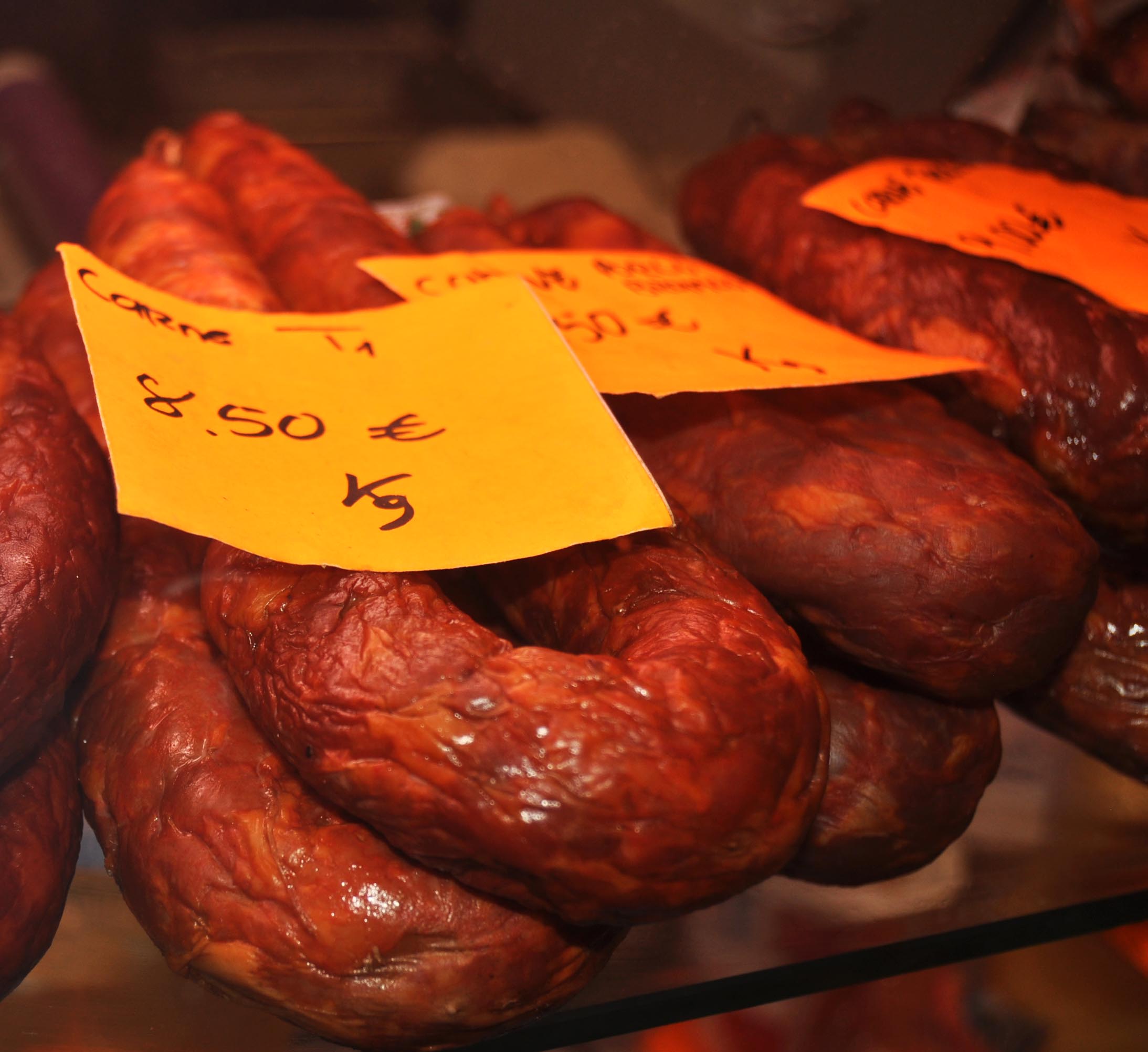
One day someone will write an encyclopedia about Portuguese sausages. And all thirty volumes will be best sellers. A play based on this work will be adapted to the cinema. And the blockbuster movie will feature Juliette Binoche playing a farmer who makes sausages from the meat of unicorns and other magical creatures.

Those exotic sausages would not compare with the real thing: a sausage called “chouriça” made with pork marinated in red wine, paprika, garlic, and bay leaves, and smoked slowly during Winter. It is culinary magic.

Mãe d’ Água

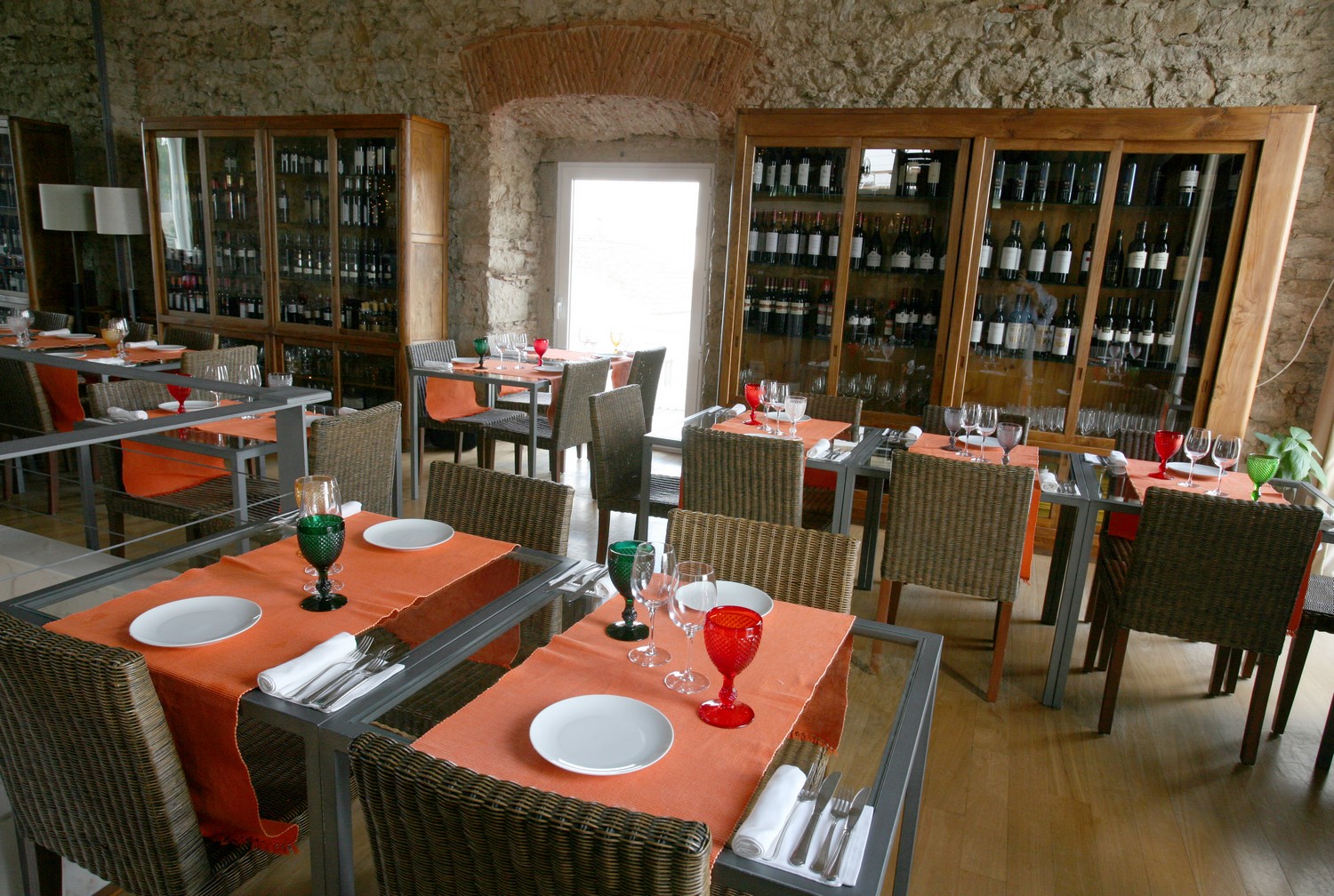
There is so much about this restaurant that is out of a fairy tale: two brothers, an ancient spring, a magical landscape, food and wine fit for a king.

In 2004 the brothers Artur and Carlos Lopes found a late 19th century barn in Sobral do Parelhão, a small village near Bombarral, 70 km north of Lisbon. There, they built a restaurant perfectly in tune with its surroundings. They called it Mãe d’Água (water source) because water from a nearby spring runs through the building.

They cut the ancient brick walls to open large windows that frame the handsome landscape of Estremadura. They filled elegant wood cabinets with wines from the region. They chose a menu full of delicacies, briny shrimp in garlic sauce, fragrant lingueirão rice, tender lamb chops, and much more. Mãe d’Água is a fairy tale come true.

Sobral do Parelhão, Bombarral, Rua 13 de Maio 26, 2540-467 Carvalhal, tel.262 605 408, email geral@restaurantemaedagua.com, click here for their website.

The best Portuguese pears


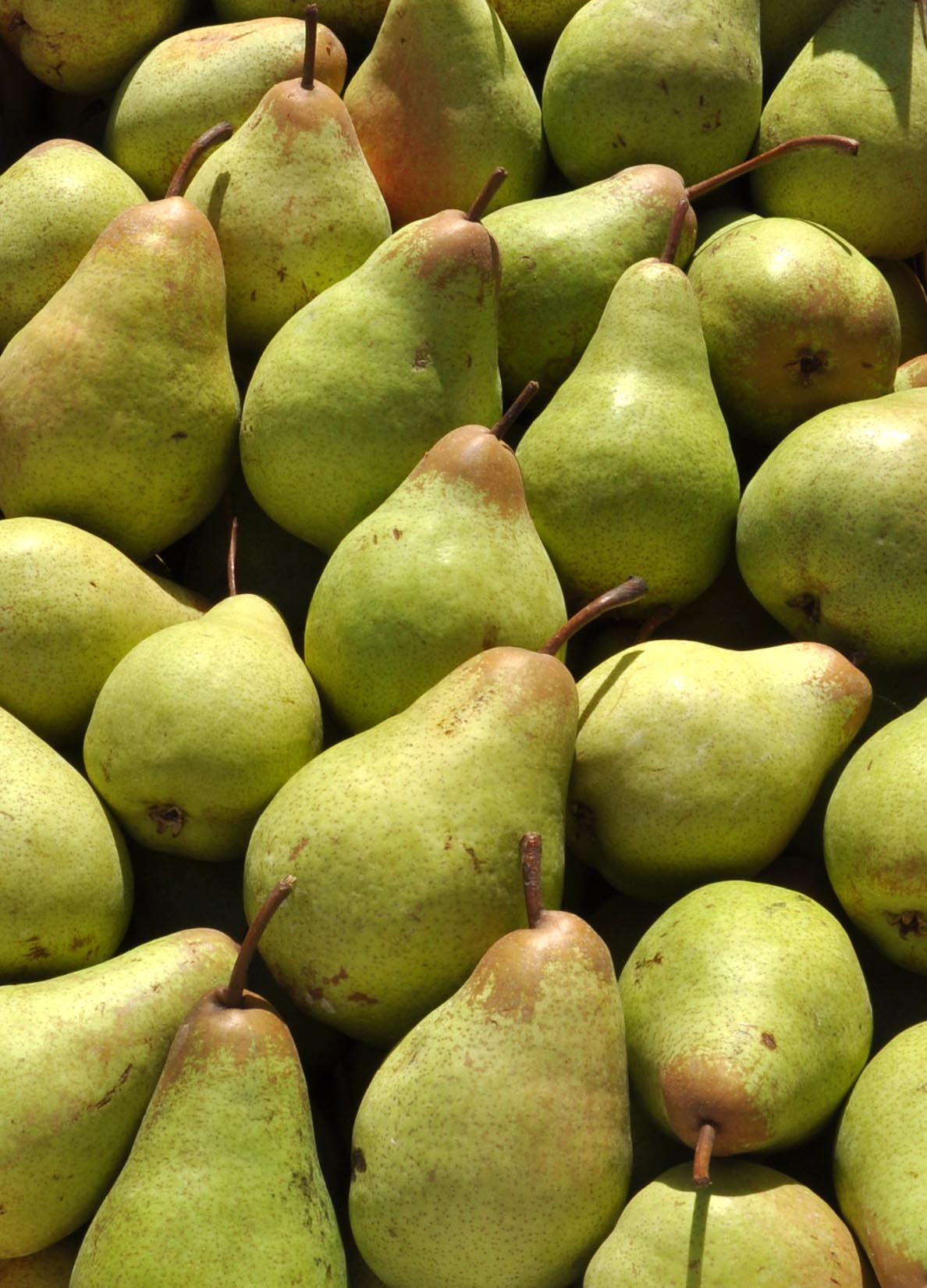
In August farmers markets overflow with pera rocha (rocha pear), a delicious pear variety unique to Portugal. In 1836 António Rocha, a horse dealer from Sintra, noticed a tree that produced unusual pears. These pears had a crusty texture, a sweet aroma, and a refreshing taste. He shared grafts from this wonder tree with his neighbors, who shared them with their neighbors, spreading pera rocha throughout the west of Portugal.

Paul Cézanne, born in 1839, loved to paint pears. He painted them as overlapping abstract shapes, with warm colors and cool shadows, with flat brush strokes, with thin washes of pure pigment. All his life he searched for the perfect pear. He did not know that António Rocha had found it.

Millenary honey


Archaeologists discovered 2,000 year-old Egyptian honey that is still in good condition. This longevity stems from the honey’s remarkable purity.

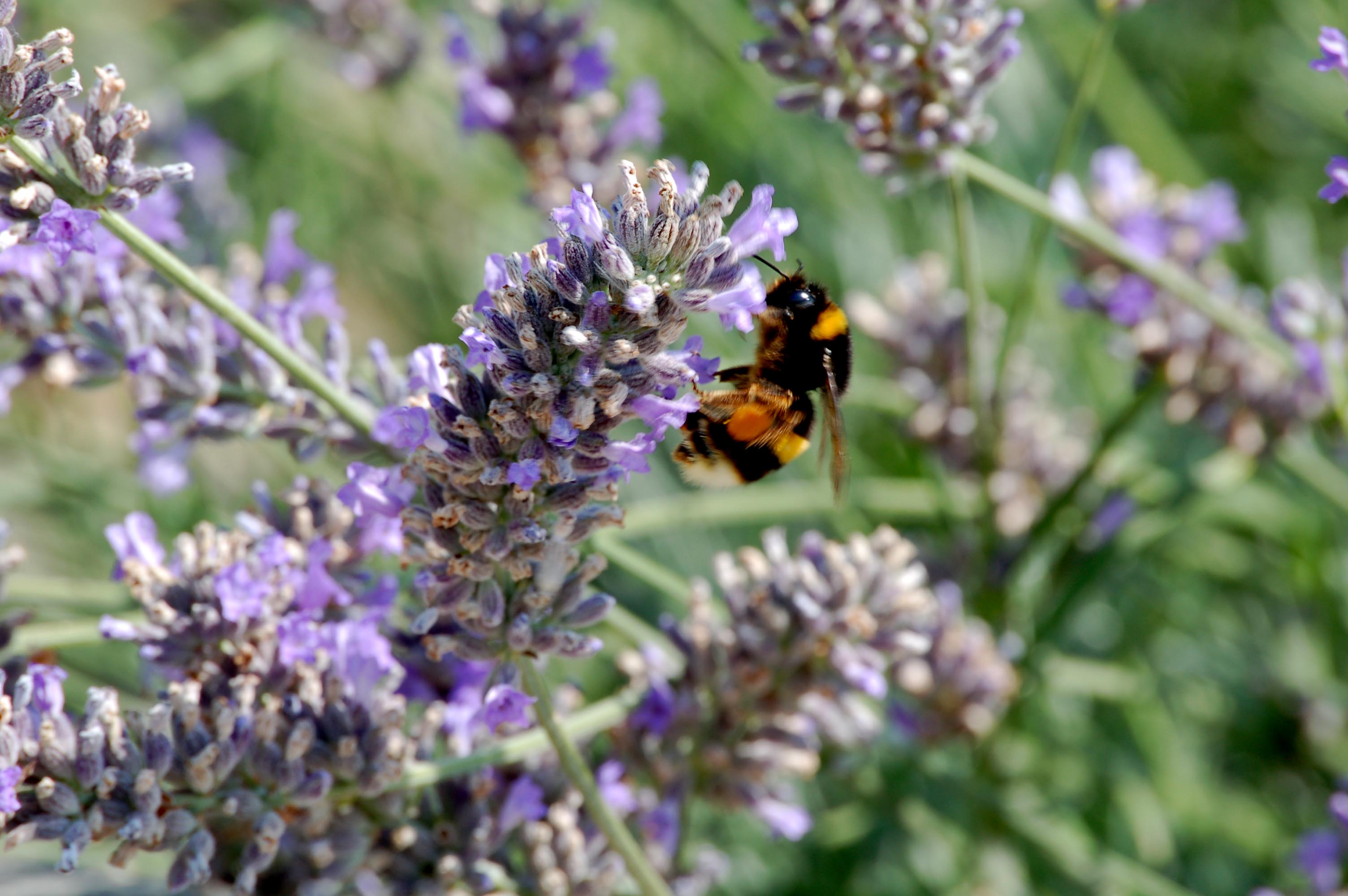
There are a number of Portuguese beekeepers that strive for this purity. They spurn the industrialized processes that sacrifice the bees to extract the honey. They shun the additives used to keep the honey from crystalizing during Winter.  Some produce honey from the nectar and pollen of a single flower species, such as eucalyptus, lavender, or rosemary. Others produce multifloral honey, extracted only after the bees feasted on flowers from all seasons, from the wild flowers that bloom after the Winter rains to the fleeting pumpkin flowers that bloom only for a day.

It takes a little effort to find this superior artisan honey. It is mostly sold in farmers markets (one of our favorite producers, Miguel Evaristo, sells his honey at the Lourinhã fair on the last Saturday of each month). But, once you buy it, you can take your time enjoying it. It is good for 2,000 years.

Portuguese razor clams

We know nothing about the biology of the lingueirão (Portuguese razor clam). All we know is that, when steamed, it releases the scent of the ocean and we feel we are on the high seas. Use the cooking water to make lingeirão rice and the result is a dish with complex flavor. Guests will think you have been cooking for hours, reducing sauces, combining delicate infusions. And all you did was take advantage of the amazing biology of the lingueirão.

Portuguese corn bread

Broa is a delicious corn bread that is a great complement to many Portuguese dishes (if you guessed that broa goes great with grilled sardines, you guessed right).

For a while broa was hard to find in urban areas where people preferred bread made with white flour. But, over time, urbanites saw the error in their ways, so now you can find broa almost everywhere. The texture and color varies by region but the taste is always deeply satisfying.

Sardines

The sardine is the silver of the sea, mined by brave Portuguese fishermen to adorn the dinner tables of rich and poor.

Portuguese sardines have a layer of fat that melts during cooking and gives them their unique taste. The most popular way to cook sardines is to grill them on charcoal. They are usually served with grilled peppers dressed with olive oil. Another popular preparation is “sardinhas de escabeche,” fried sardines marinated in olive oil, vinegar, onion, and bay leaves.

During the June feasts of St. Antony, St. John and St. Peter restaurants set up their grills on the street and serve sardines to passersby, saints and sinners alike.