The coolest place in Viseu

OLYMPUS DIGITAL CAMERA

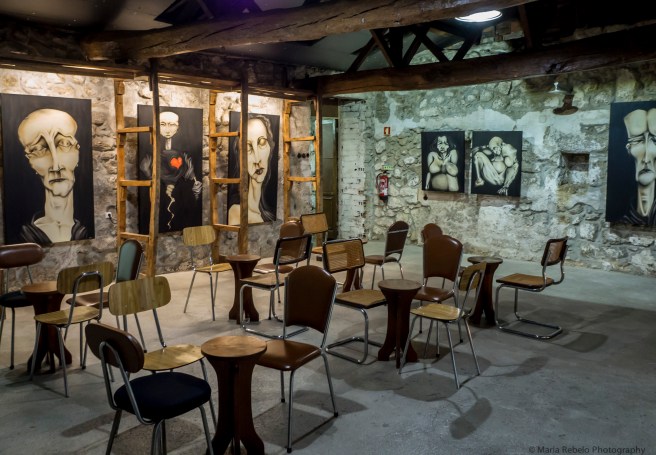
The coolest place in Viseu is called Carmo 81. It is an art gallery where you can have a drink, listen to live music, watch a movie, attend a workshop or simply hang out. Located on a winding street in the heart of the old city, the name of the gallery doubles as its address: Rua do Carmo, 81.

The gallery occupies a space that was for many years a farming equipment store. The thick granite walls and elegant oak beans retired from a hard life of selling irrigation equipment to pursue their dream of being surrounded by art.

Viseu is already the coolest place in Portugal during July, when the Ephemeral Gardens festival fills this ancient city with art installations, live music and modern dancing. Now, with Carmo 81, Viseu is cool all year round!

Carmo 81 is located on Rua do Carmo 81, Viseu, tel. 232 094 366. Click here to see a list of upcoming events.

A tavern called Wednesday

Quarta-Feira rest composite

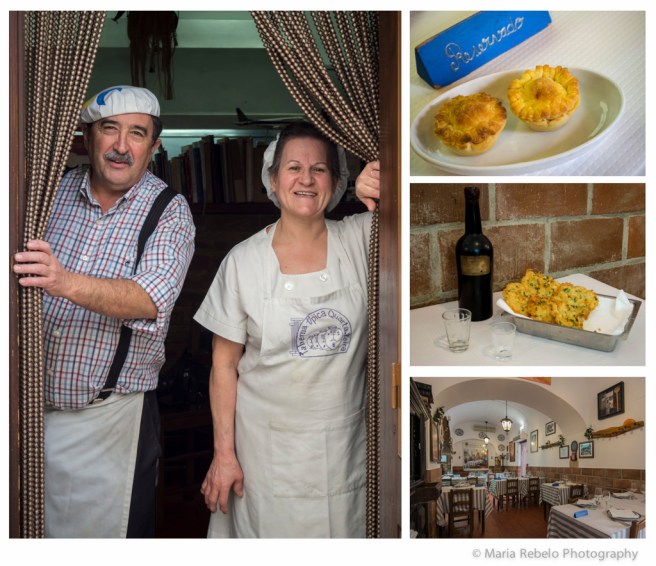
André Freire, the manager of the beautiful Évora pousada, urged us to try a tavern called Quarta Feira (the Portuguese word for Wednesday). “It’s a special place,” André said with a smile. “There’s no menu; you have to trust Zé Dias, the owner, and go with the flow.”

As soon as we entered the restaurant, we became friends with Zé Dias. He moved to Évora from a village in Beira Alta called Quarta Feira, the name he used for the restaurant. Dias worked as a typographer until he opened this tavern 25 years ago with Luisa Batista, a great local cook.

Dias’ enthusiasm for food, wine and life in Alentejo is infectious. Everything he serves comes from people he knows well, from the producers of cheese and sausages to the maker of the clay pots that are integral to Luisa Batista’s cooking. When we asked Dias how he managed to convince Paulo Laureano, a renowned Portuguese enologist, to make the house wine for Quarta Feira, Dias replied “Of course he said yes; we’ve been friends for a long time.”

Our dinner started with slices of local sausages and prosciutto made with black pork from Alentejo. Then a warm sheep cheese seasoned with oreganos arrived, busting with flavor. Next, we had some wonderful mushrooms cooked in mushroom water, seasoned with olive oil, garlic and coriander. “The secret is all in the timing,” Dias tells us and we believe him because at this point we believe everything he says.

The meal’s main event was the house specialty: black iberian pork shoulder marinated in wine cooked slowly in a clay pot. It was so delicious that our taste buds scintillated with delight. The dessert was composed of dried figs, walnuts, cooked quince, and samplings of two conventual desserts.

The meal ended with a glass of licoroso from Herdade do Mouchão. This sweet wine with notes of fruits and spices was a perfectly simple ending to a simply perfect meal.

Zé Dias is a philosopher king who disguises as a tavern owner so that he can share with his guests the joy of living in Alentejo.

Taberna Típica Quarta Feira is on Rua do Inverno 18, Évora, tel. 266 707 530.

Quinta do Vallado

Quinta do Valado Composit

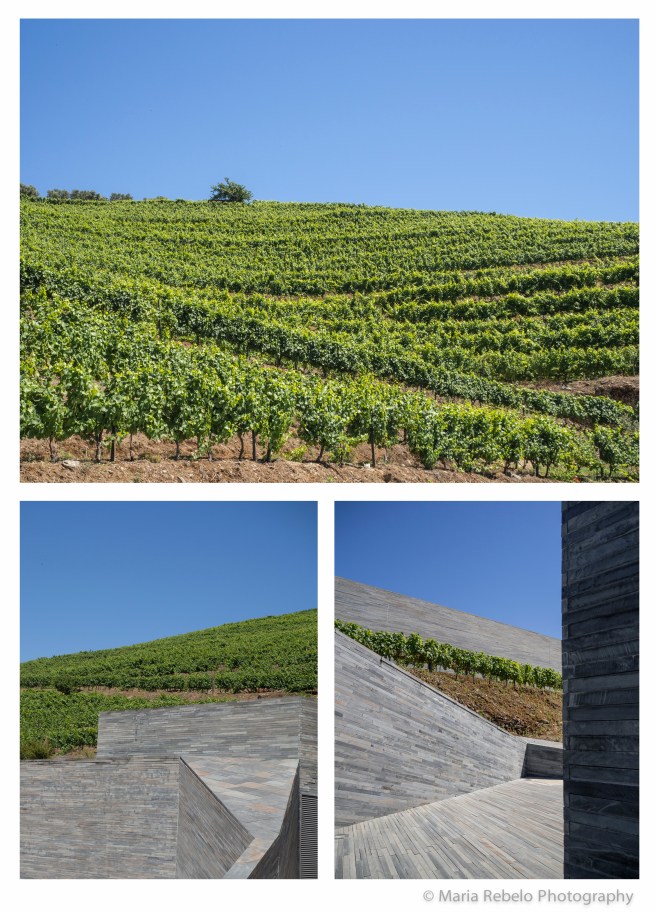
We wonder whether god created the Douro as a test. It gave the region poor soils and a mountainous terrain, scorching Summers and freezing Winters. But if humans persevered and made a living in this land, they would be rewarded with magnificent wines.

The soil, composed of schist and granite, forces the vines to struggle and produce small grapes that are full of flavor. No one believed more in these grapes than Dona Antónia Ferreira. She made a fortune producing port wine in the beginning of the 18th century and reinvested it all in the Douro, owning at one point 37 vineyards.

This Summer we had the privilege of visiting one of these vineyards, the Quinta do Vallado,  which dates back to 1716. We toured the cellars and tasted some of the quinta’s great table wines.

At the end of our visit, we drank some wonderful old tawny port. With our glasses full of this golden nectar, we toasted the people of the Douro and their magnificent wines.

Quinta do Vallado is located in Vilarinho dos Freires, Peso da Régua, tel. 254 323 147. Click here for their web site.

Wedding by the sea

OLYMPUS DIGITAL CAMERA

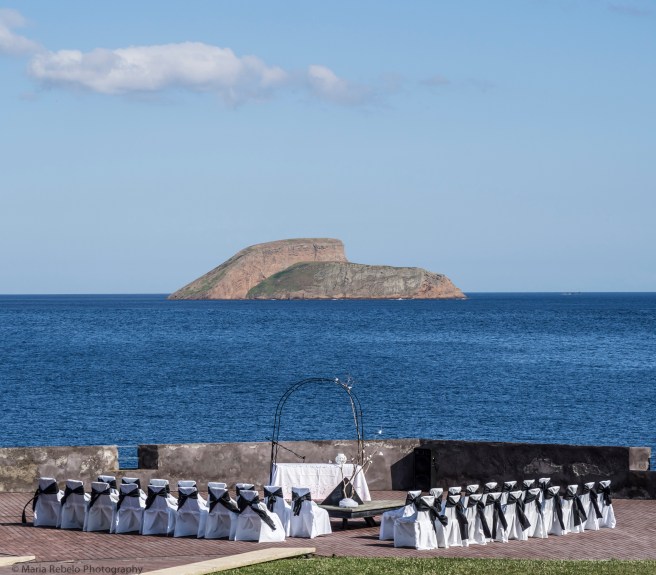
If you can, get married by the sea. You’ll see boats sailing trough the waves without a care in the world. And you’ll realize that boats have keels that keep them stable during storms.

That is what marriage is. Two people who are each other’s keels so they can remain steady in the face of storms and sail joyfully through the waves of life.

The photo is from the Pousada de Angra do Heroísmo, located in the beautiful São Sebastião fort in Azores. Click here for the Pousada’s web site.

Beauty in the details

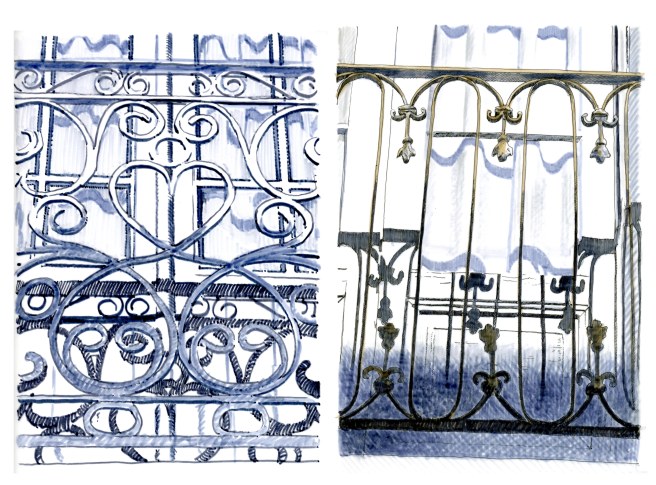
Desenhos de Janelas
Varandas, Rui Barreiros Duarte, ink on paper, 2016.

When you visit Portugal you need to sleep well to rest your eyes, because as soon as you wake up there’s so much to see!

A walk in an old neighborhood is a visual feast of architectural details. Doors, windows, roofs, and balconies tell us about the craftsmanship of their builders and the dreams of their owners. Each is a distinctive brush stroke on the beautiful canvas that is Portugal.

Ebora cerealis

OLYMPUS DIGITAL CAMERA

If you’re traveling in Alentejo, follow the advice of ancient travelers and spend some time in Évora. The city is included in the Antonine itinerary and is mentioned in Pliny the Elder’s Natural History as Ebora Cerealis in reference to the surrounding fields of cereals.

Évora was occupied by Celts, Gauls, Phoenicians, and Persians. But it was Quintus Sertorius, the general who conquered the city in 80 B.C., that gave Évora its architectural jewel: a Roman temple with elegant corinthian columns. Known as the temple of Diana, it is more likely to have been dedicated to Jupiter.

There’s much to see in Evora: a beautiful basilica, elegant university buildings, and peaceful convents. And the food and wine are great everywhere.  You can choose a restaurant blindfolded and have a wonderful meal. If Pliny was writing today, he might call the city Ebora Delicia.

The apple of paradise

OLYMPUS DIGITAL CAMERA

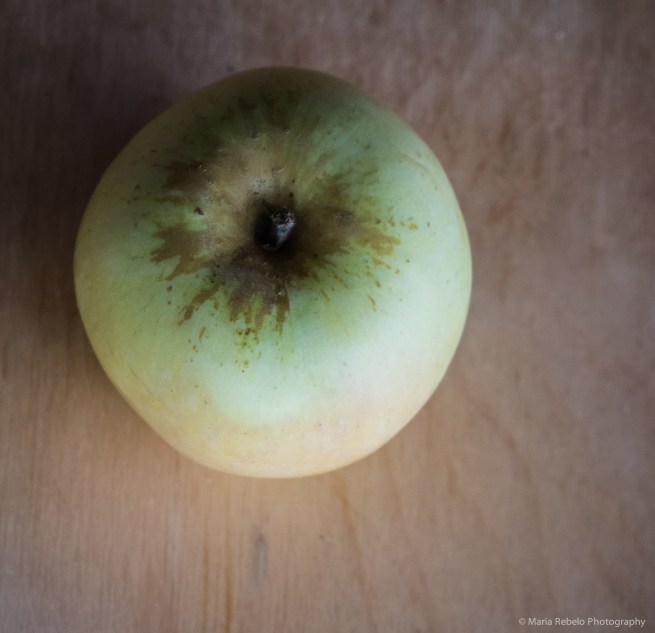
The best apple we’ve ever tried is a Portuguese variety called Bravo de Esmolfe. It was discovered two centuries ago in a small Beira-Alta village called Esmolfe.

You can find prettier apples, but don’t be fooled by the unassuming look of Bravo de Esmolfe. Its taste is a revelation, the perfect combination of sweetness and tartness. And its inside is so full of antioxidants that it makes us feel immortal.

Biting into a Bravo de Esmolfe helps us understand Adam’s temptation and makes us wonder whether the village of Esmolfe was once the Garden of Eden.

If you visit Portugal in Fall or Winter, don’t miss the chance to try Bravo de Esmolfe, an apple that belongs in paradise.

The glorious food of a rural past

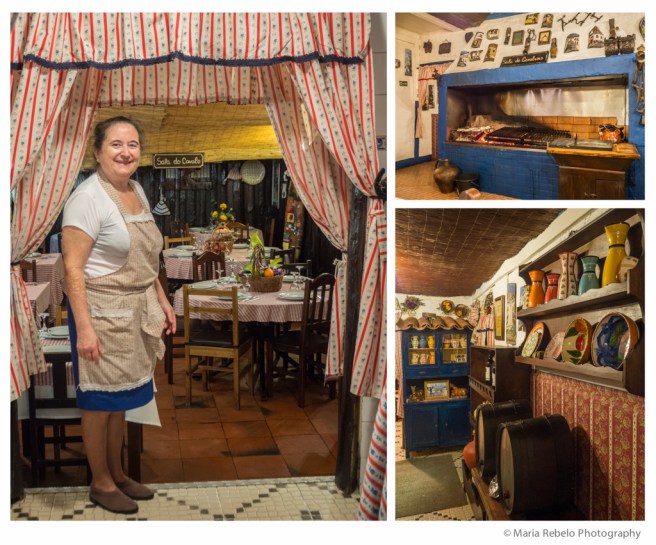
Composit - solar dos amigosWhen you dine at Solar dos Amigos, you take a trip back to a time when people grew their own food, so cooking was informed by a deep knowledge of ingredients.

We realized that our meal was going to be extraordinary when Luisa Nunes, the restaurant owner, brought a small plate of pataniscas (fried codfish) that were wonderfully light and full of flavor. We liked them so much that we tried two other codfish preparations. The first was Tiborna, roasted codfish combined with potatoes, olive oil, and garlic. It is a traditional recipe, but this version shined because of the pristine ingredients and immaculate execution. The second was codfish campino style, a delicious, airy combination with cabbage and white beans baked inside a country bread.

Our first meat dish, fried lamb chops, reminded us of how extraordinary the taste of lamb can be. The grand finale was Cascos à Ribatejo—veal grilled in the huge fireplace of the main dining room. The veal was succulent, tender, and deeply satisfying.

Throughout the meal, different types of bread and vegetable sides were brought to our table: an unforgettable warm corn bread (broa) seasoned with garlic and olive oil, a hearty bean rice, and much more. The food was blissfuly married with the house wine, a bold red produced by Luisa’s octogenarian father.

Luisa is a master of the art of hospitality. Even though the restaurant has four spacious dining rooms, she seems to be everywhere, chatting with regulars, welcoming new clients, making sure the food and service are perfect. Luisa loves the restaurant so much that she never vacations and feels bored on Wednesdays, the day Solar dos Amigos closes. It is her passion that makes dining at Solar dos Amigos such an exceptional experience.

The greatest food in Portugal was not inspired by the kitchens of palaces and noble houses. It comes from a rural tradition that is perfectly reflected in the food of Solar dos Amigos.

Solar dos Amigos is located on a small village called Guisado, 100 km north of Lisbon. The restaurant’s address is Rua Principal, 49, Guisado, Caldas da Rainha. Even though the restaurant is large, it is a good idea to make reservations. Their telephone number is 262-877-135. Click here for their website.


The first sunset

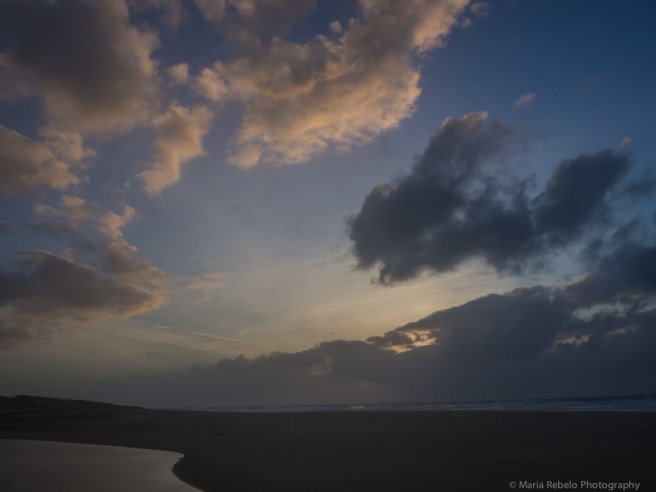
The Romans marked each new year by hammering a nail into the door post of the temple of Jupiter. We prefer to photograph the sunset on the first day of the year, hoping it holds a clue for what the year will bring.

Today, the sun slept all day behind clouds. But at the last moment, it spread its rays and lit the sky, as if to reassure us that there will be many beautiful sunsets in the New Year.  We hope you’ll come to Portugal to share some of these sunsets with us. Happy New Year!


Wood saints

Christmas Card 2015

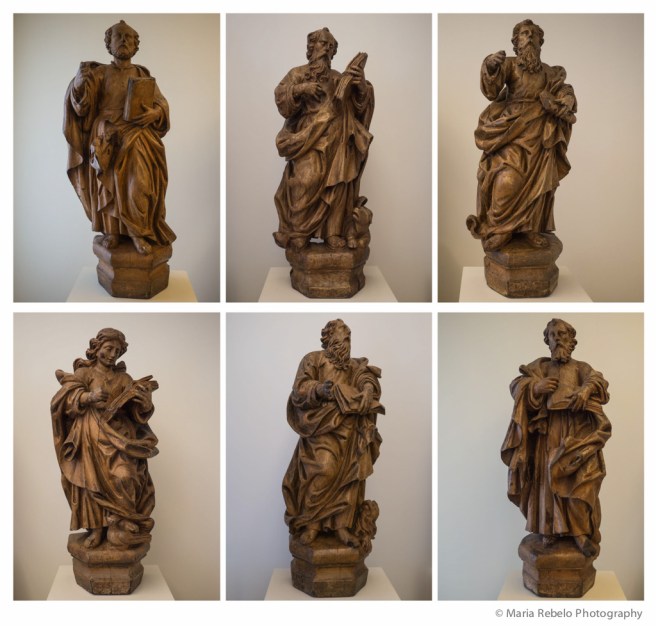
The Grão Vasco museum in Viseu houses an exquisite collection of wood statues from the 18th century. The names of the sculptors who created these pieces have long been lost. What remains is the mastery with which they used their mallets and chisels to breathe life into wood.

The Grão Vasco museum is located at Adro Sé in Viseu, tel 232 422 049.