When you eat octopus in a Portuguese restaurant, it is always tender and delicious. But, when you buy fresh octopus and cook it at home, it often turns into a rubbery disappointment.
Portuguese chefs stage an elaborate disinformation campaign to keep secret their cooking technique. They tell you to cook the octopus with an onion, a cork, or a nail; or leave it in the pot until the water is cold; or cook it in red wine or in red vinegar; or beat it three times on the kitchen counter; or “scare” it by raising it from the boiling water. All these tricks produce inedible, chewy octopus.
So, how do you tenderize this eight-armed mollusk? You freeze the fresh octopus before you cook it! That’s all. But please don’t tell anyone; it’s a secret.
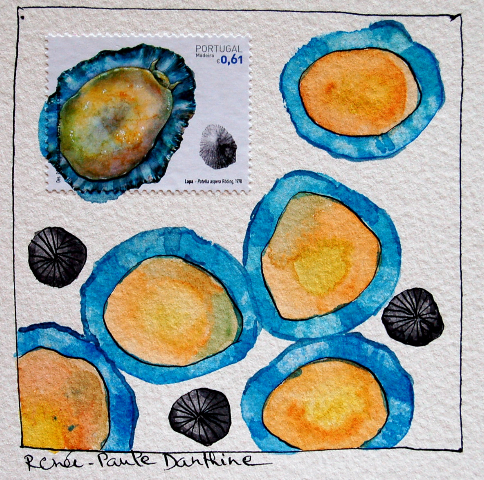
Abstrait 9, Renée-Paule Danthine, stamp and watercolor, 2010.
Renée-Paule Danthine is a Swiss painter who, in her miniature series, celebrates the allure of old-fashioned mail. We have all but forgotten the pleasure of handwriting a letter, hiding it in an envelope and affixing the stamp, trusting the precious package to a mysterious delivery system that, somehow, almost always worked. Danthine reminds us of all that we lost by using post-office stamps as the point of departure for her work. Her travels to Portugal inspired several paintings in this series. Each of her wonderful watercolors is a lesson on how to see the extraordinary in the ordinary.
Click hereto see more of Renée-Paule Danthine’s work.
Portugal’s wonderful canned sardines have, according to legend, a French origin. Britanny had a thriving canned sardine industry in the late 19th century. But fish stocks started to dwindle, forcing Breton fishermen to venture farther from the coast. A fishing boat that sailed west to avoid a raging storm, ended up on the Portuguese shore. There, the French fishermen hauled the biggest sardine catch they had ever seen. They all promised to keep their discovery secret but, eventually, word got out.
Brittany canners came to Portugal and set up operations in Lagos, Setúbal, and Olhão. Soon, Portuguese brands started to compete with the French and an industry was born.
A can of Portuguese sardines contains much more than delicious fish. It has the story of an old sea storm and of a crew of fishermen who couldn’t keep a secret.
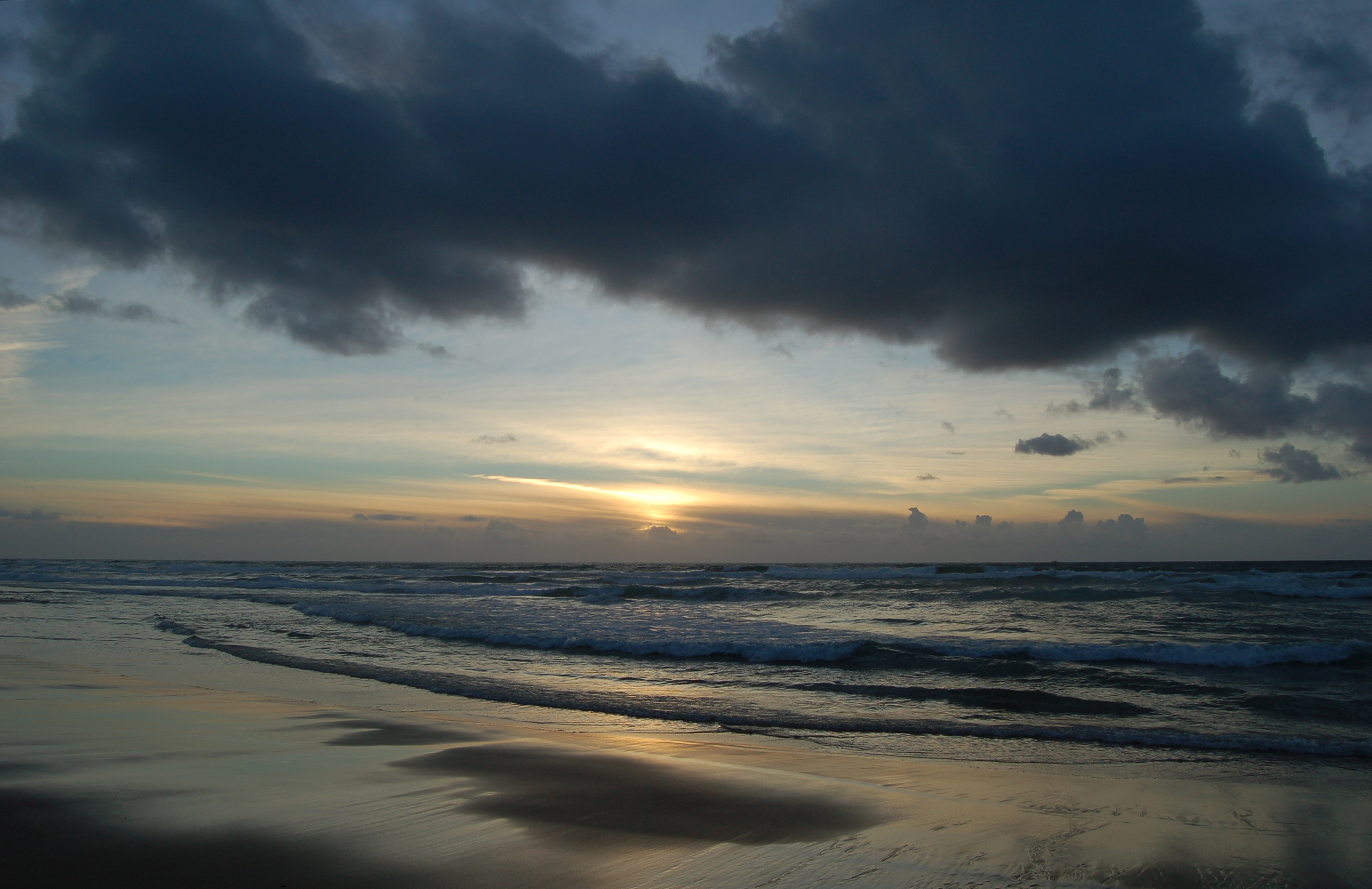
If you were here today, you could spend the morning on the beach, collecting shells, wondering why no one told the sun that it’s not Summer. You could have a simple lunch of roasted chicken with piri-piri sauce, visit a romantic palace, and sit on a cliff, watching the sun bathe in the ocean. You could dine on grilled fish, drink a great local wine, and go out into the warm night to gaze at the stars. And, when the day is done, you would know the meaning of the word felicidade.
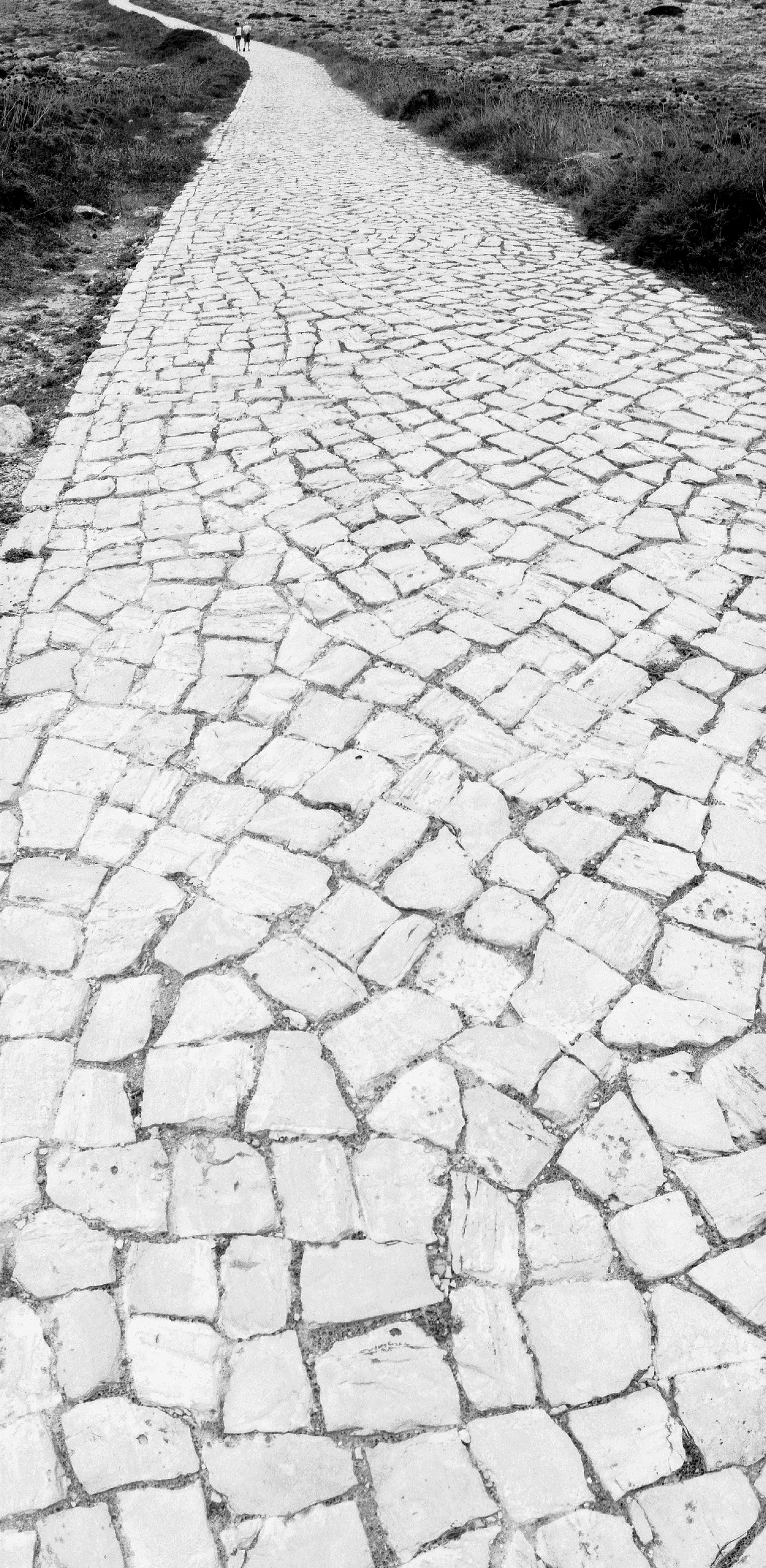
Calçada Portuguesa (Portuguese cobblestone) is a mosaic pavement built with cubes made of limestone and basalt. Each stone is carefully cut and laid by hand by a master “calceteiro.” It takes months, sometimes years to build these majestic pavements. So, if you visit Portugal, by all means, look up to see the cerulean blue sky, the castles on hilltops, the seagulls gliding on the wind. But do not miss the beauty beneath your feet.
Beneath your feet, Maria Rebelo, gelatin silver print, 2003.
That’s what the Roman poet Marcus Lucanus wrote about Troy. It means “no stone is without a name.”
Portugal has beautiful scenery, wonderful food, perfect weather. But what makes this country truly unique is its history. Africans, Celts, Jews, Moors, Phoenicians, Romans, Suevi, Visigoths, they all shared this corner of the world. They all left their marks on the Portuguese landscape. Monuments to their triumphs, ruins from their defeats are everywhere. No stone is without a name.
Fernando Pessoa, Rui Barreiros Duarte, ink on paper, 2012.
It is not easy to write about the great poet Fernando Pessoa. Even if we weight every syllable, our words are still too heavy to describe his graceful prose and sublime rhyme. So, perhaps we should stick to the facts.
Pessoa was born in Lisbon in 1888. His father, a journalist, died when he was young. His mother remarried and moved to Durban, South Africa, where Pessoa received a British education.
After returning to Lisbon in 1905, Pessoa earned a modest living making translations and writing business letters. He published poems, essays and literary criticism, but remained unknown during his lifetime.
Many of his poems were written in coffee shops, at Brasileira in Chiado or in Terreiro do Passo’s Martinho da Arcada. He wrote under different identities, each with its own personality and distinctive style. Some say that Pessoa and his four major pen names, Álvaro de Campos, Ricardo Reis, Alberto Caeiro, and Bernardo Soares are the five finest Portuguese poets.
Pessoa died in 1935, at age 47, one year after publishing his first major book, The Message. He left a literary treasure trove: a trunk full of poetry and prose, including The Book of Disquiet, which, published in 1982, created a new wave of interest in the poet.
Reading Pessoa can change your life, at least that’s what happened to the Italian writer Antonio Tabucchi. A chance encounter with Pessoa’s poem “A Tabacaria” (The Tobacco Shop) made him fall in love with the poet’s work and with the language and culture of Portugal.
Here are the first lines of “A Tabacaria” translated by Richard Zenith. Read them at your own peril.
“I’m nothing.
I’ll always be nothing.
I can’t want to be something.
But I have in me all the dreams of the world.”
TAP, Portugal’s national airline, is not immune to the cost cutting pressures common to the industry. But it has a new fleet of large, confortable Airbus airplanes and it is promoting a warm attitude that you can feel in this music video that gathers the Portuguese Mariza, the Angolan Paulo Flores, and the Brazilian Roberta Sá.
When you set foot on a TP flight, you are already in Portugal and magical moments can happen. On a recent flight, a passenger was about to fill a glass with water from a bottle sitting on the counter in the kitchen area. A stewardess quickly intervened saying, “that is my bottle, let me open one for you.” Then, to ease the awkwardness of the moment, she pointed to her bottle and said: “I kissed that water; if you drank it you would learn all my secrets.” Any airline can get you from here to there, handle baggage, count frequent-flyer miles. But which other airline provides such spontaneous moments of poetry?
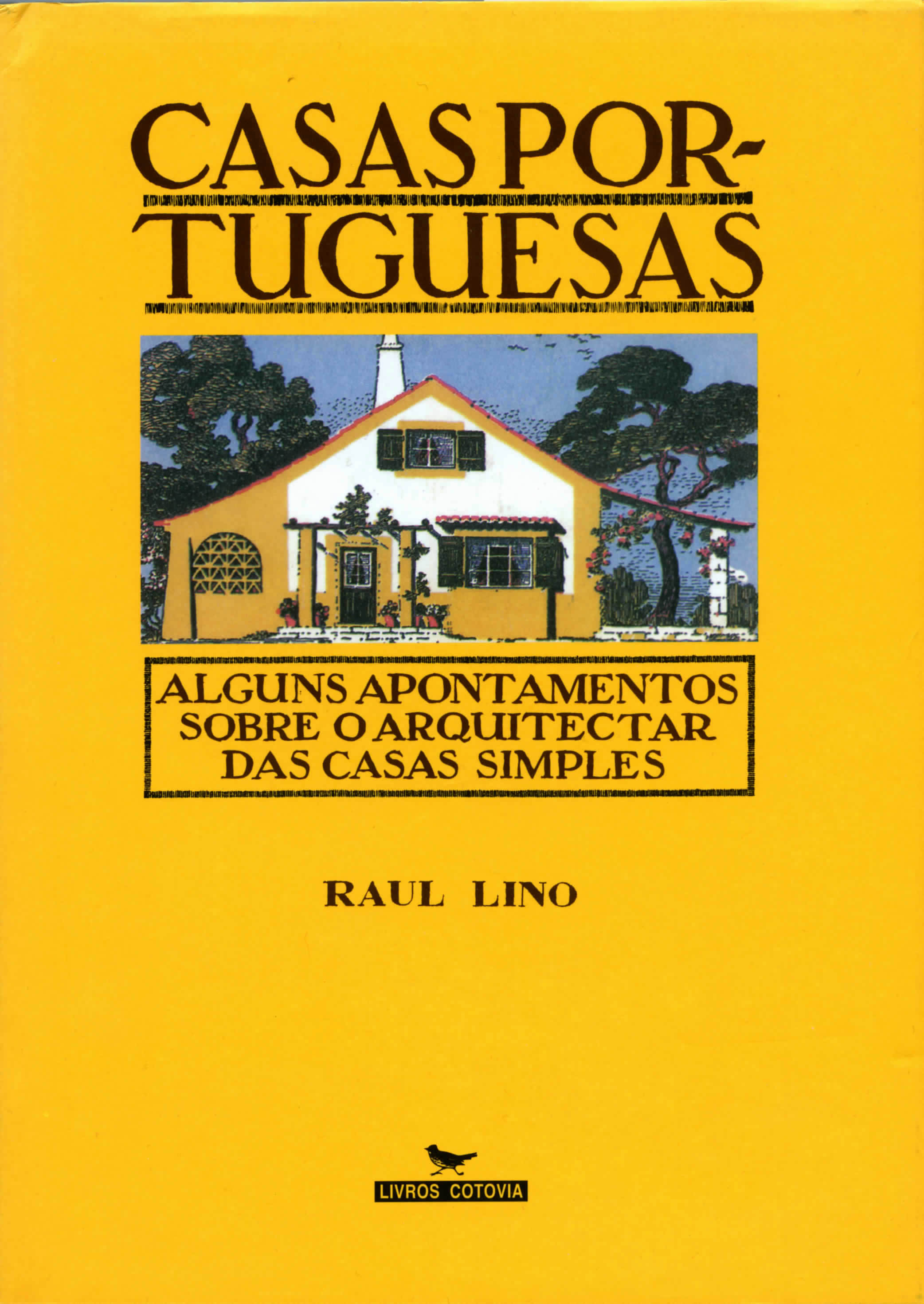
Raul Lino is a Portuguese architect who was influential in the first half of the 20th century. In an era shattered by two World Wars and the Great Depression, Lino craved the stability and permanence that he associated with tradition. He codified this tradition, inherited from the Romans and adapted throughout the centuries, creating the archetypal Portuguese house. Using stone, brick, and terracotta roof tiles, he designed homes that infused the vernacular architecture with proportion and elegance. Some felt that Lino should have looked forward instead of backwards, adopting the modernism of Le Corbusier and Mies van der Rohe. But, by embracing the past, he helped preserve the sense of place that we feel when we see a Portuguese house.
In 1912, Raul Lino built a private residence for his family, the “Casa do Cipreste” in Sintra. It is perched on a hill, overlooking the Sintra Palace. Thanks to the blog of Rui Morais de Sousa, a virtuoso of large-format photography, we can visit this graceful home with just the click of a mouse (here). What a privilege!
It is great fun to read John Murray’s “Handbook for Travellers in Portugal,” published in London in 1864. He warns that, to explore far-distant valleys, hills, and mountains, the tourist in Portugal “must be prepared for poor accommodation, poor food, and great fatigue.” But, at the same time, “to one who is in pursuit of scenery, more especially to the artist, no other country in Europe can possess such attractions and such freshness of unexplored beauty.”
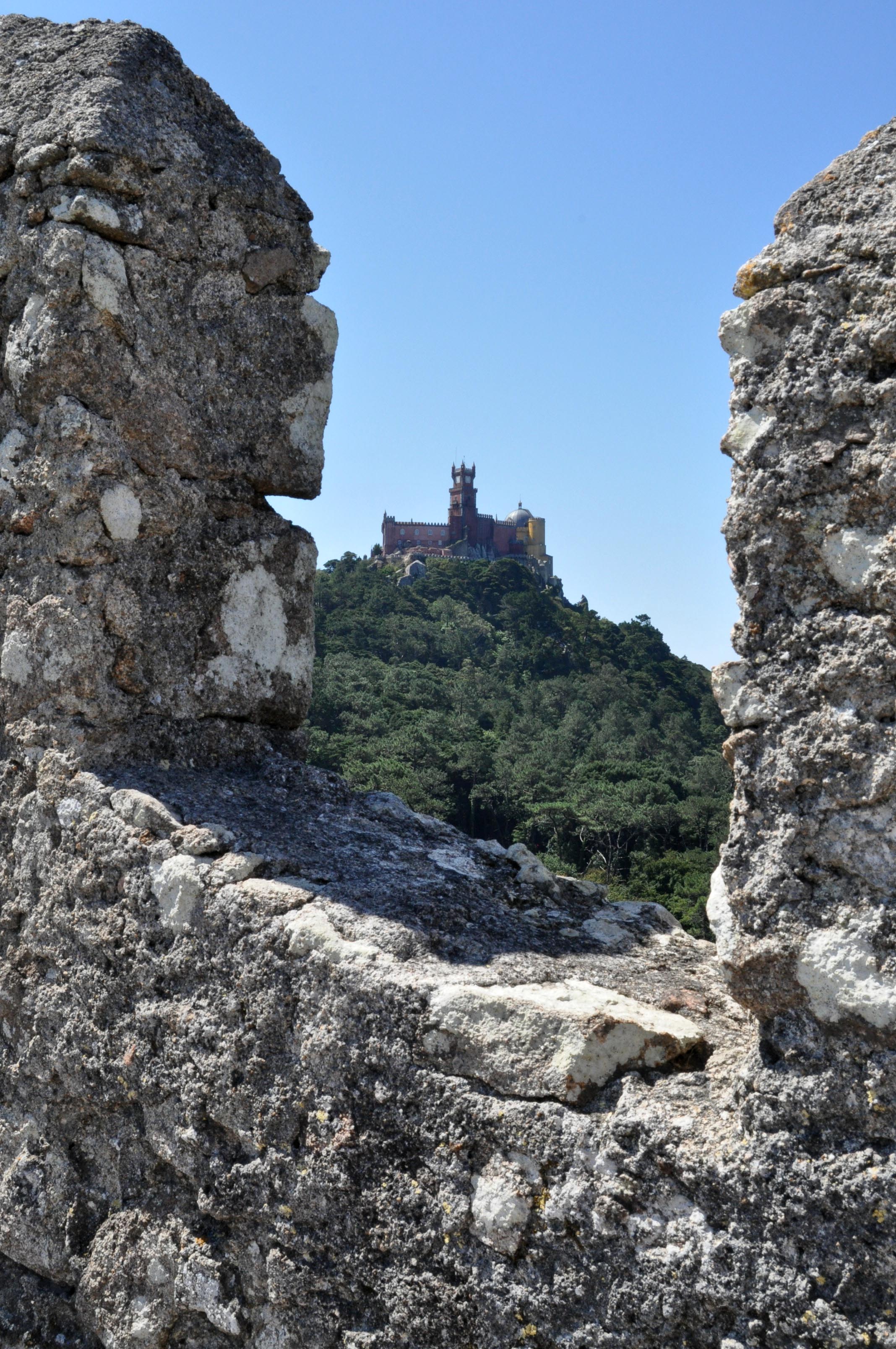
So much has changed in the last 150 years! You can now travel throughout Portugal in great comfort, eating delicious food, and staying in elegant hotels, pousadas and bed and breakfasts. But, what remains unchanged, is the freshness of the country’s beauty. Take a look!





 Salt of Portugal