Santini’s artisan gelato

In 1949 an Italian called Attilio Santini opened a gelato store in Estoril, an idyllic beach resort near Lisbon. There was a tradition of gelato making in his family; his great grandfather had a gelato store in Vienna. Santini’s approach was simple: make the gelato fresh every day using only the very best cream and fruit. Word of mouth quickly made Santini famous in the 1950s. It helped that many of Europe’s dethroned kings and queens lived in Estoril and became loyal customers. One of these customers, Juanito, is now better known as King Juan Carlos of Spain.

There was a feeling of elegance, of relaxed optimism about the 1950s that you can see in the lines of the Fiat cinquecento or hear in Miles Davis’ recording of ‘Round Midnight. It is this sweet feeling that you can still taste today in a Santini gelato.

Santini has currently three locations, one in Lisbon, near Chiado (Rua do Carmo, 9) and two others in beach resorts near Lisbon (S. João do Estoril, Rua Nova da Estação, 5, and Cascais, Av. Valbom, 28F). There can be long lines in the Summer. The wait is an opportunity to consider which of the more than 50 varieties we are going to try. We don’t want to rush into this decision! Click here for Santini’s website.

Pão com chouriço (chouriço bread)

No one recorded the moment of sublime inspiration when an unsung genius thought of taking a delicious “chouriço” (a smoked sausage made of pork marinated in red wine), place it inside bread dough, and cook it in a wood oven. The result is incredible. You can buy chouriço bread at bakeries and fairs. But think twice before you try it: it is wildly addictive.

Many visitors keep returning to Portugal on their vacations. They say they are attracted by the majesty of the cities, the beauty of the countryside, the stunning beaches, the perfect weather, the wine, the food, the hospitality, the culture. But we know they come for one thing only: the chouriço bread.

Cataplana

A cataplana is a copper pan made of two clam shells that can be sealed with a clamp. The origins of this cooking contraption are lost in time. In the early 20th century Portuguese hunters carried cataplanas loaded with onions and tomatoes, so they could cook game on a wood fire. Later, in the 1960s, the cataplana became a popular way to cook fish and shellfish in the Algarve. Since then, it has become a hallmark of Portuguese cooking.

There is something magical about the moment when the waiter brings a cataplana to the table. And it is not hard to imagine that, as he opens the pan, he murmurs the same secret incantation used in the banquets of the Arabian Nights to make the meal unforgettable.

You can buy a cataplana at Loja Pollux Hotelaria, Rua da Madalena, 263, Lisboa, tel. 218-811-291, email: hotelaria@pollux.pt or at A Vida Portuguesa, Rua Anchieta 11 in Chiado, Lisboa, tel. 213 465 073.

Portuguese sausage

One day someone will write an encyclopedia about Portuguese sausages. And all thirty volumes will be best sellers. A play based on this work will be adapted to the cinema. And the blockbuster movie will feature Juliette Binoche playing a farmer who makes sausages from the meat of unicorns and other magical creatures.

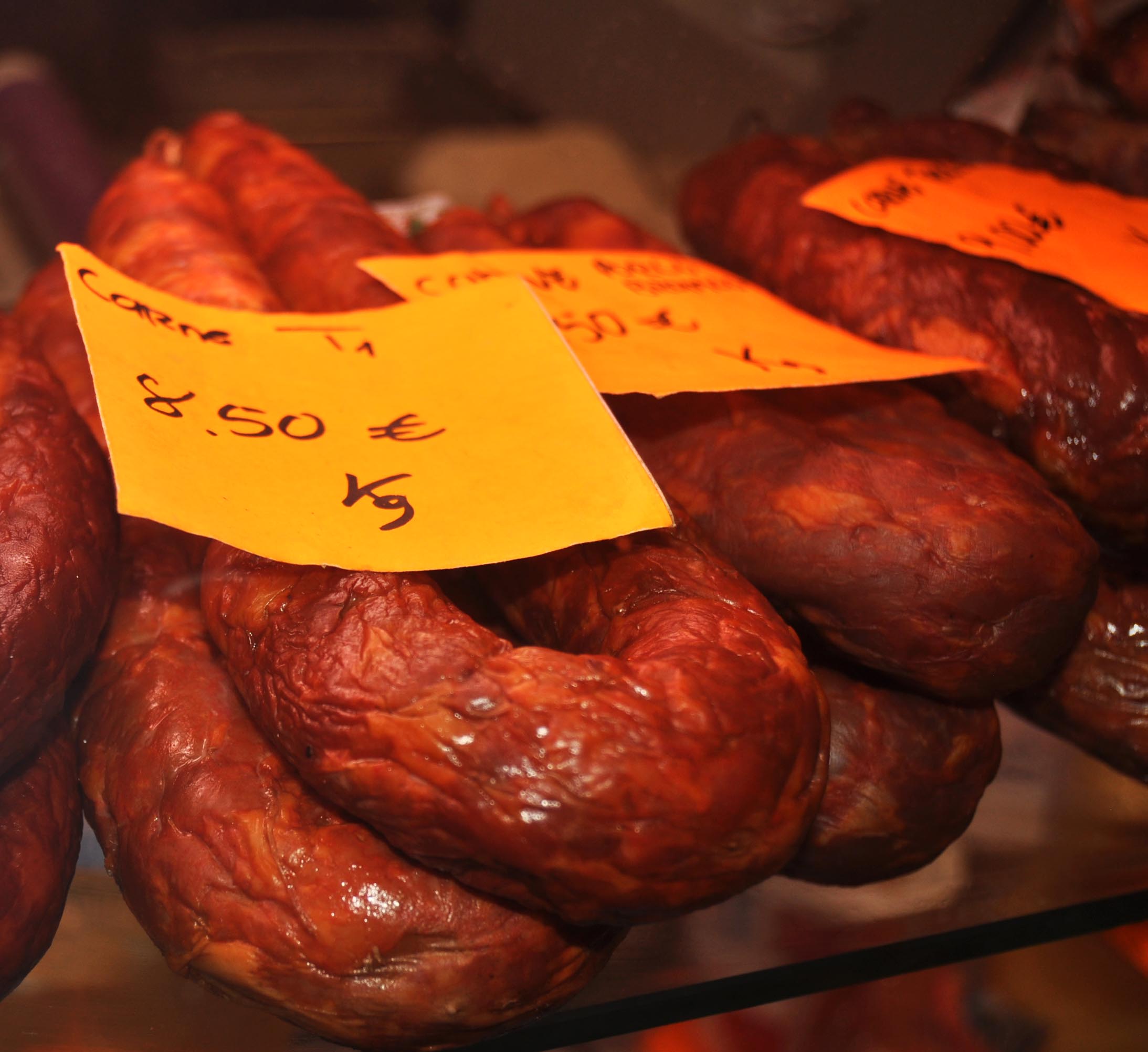
Those exotic sausages would not compare with the real thing: a sausage called “chouriça” made with pork marinated in red wine, paprika, garlic, and bay leaves, and smoked slowly during Winter. It is culinary magic.

The best Portuguese pears


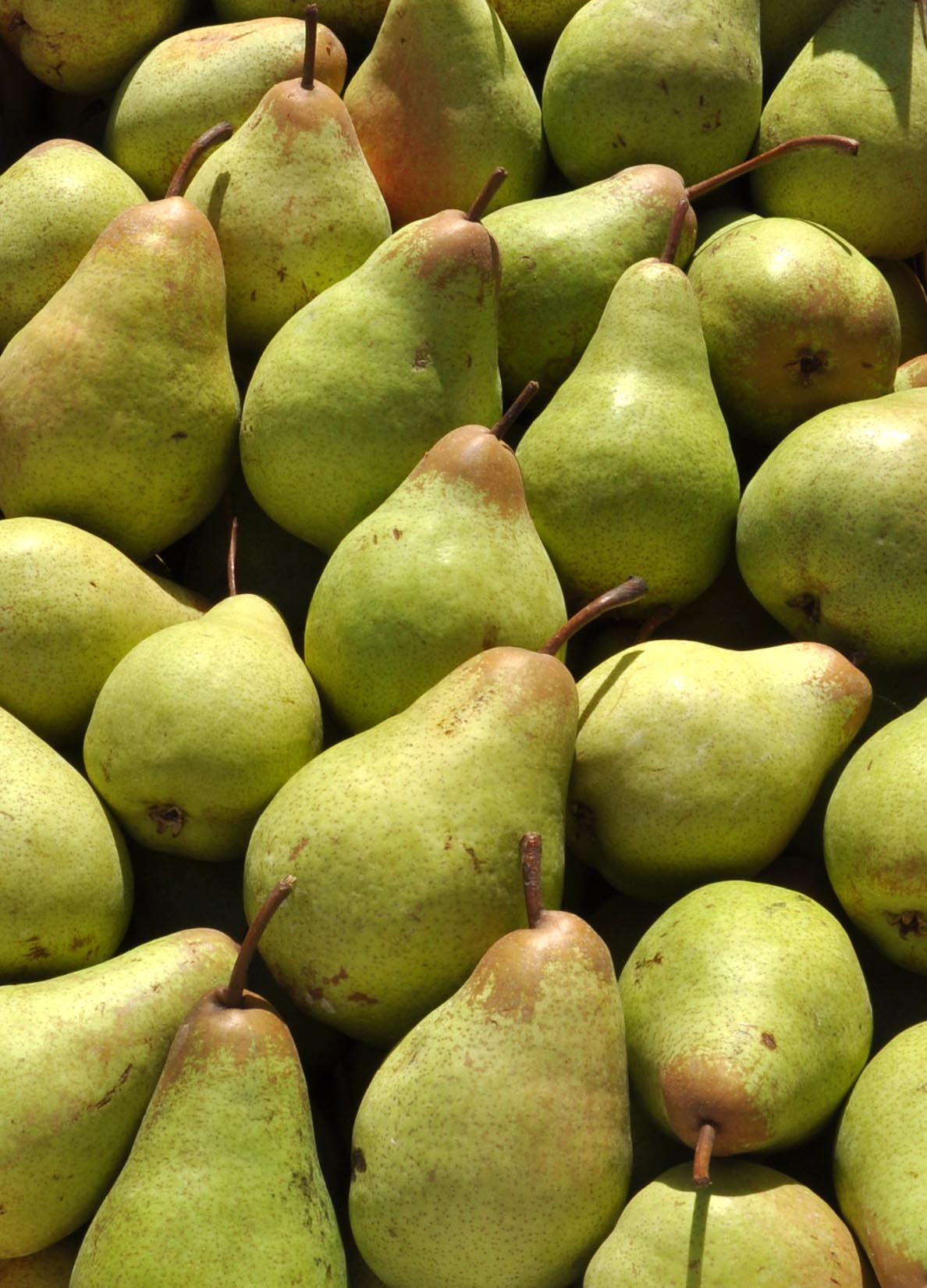
In August farmers markets overflow with pera rocha (rocha pear), a delicious pear variety unique to Portugal. In 1836 António Rocha, a horse dealer from Sintra, noticed a tree that produced unusual pears. These pears had a crusty texture, a sweet aroma, and a refreshing taste. He shared grafts from this wonder tree with his neighbors, who shared them with their neighbors, spreading pera rocha throughout the west of Portugal.

Paul Cézanne, born in 1839, loved to paint pears. He painted them as overlapping abstract shapes, with warm colors and cool shadows, with flat brush strokes, with thin washes of pure pigment. All his life he searched for the perfect pear. He did not know that António Rocha had found it.

Piri piri

piri-piri

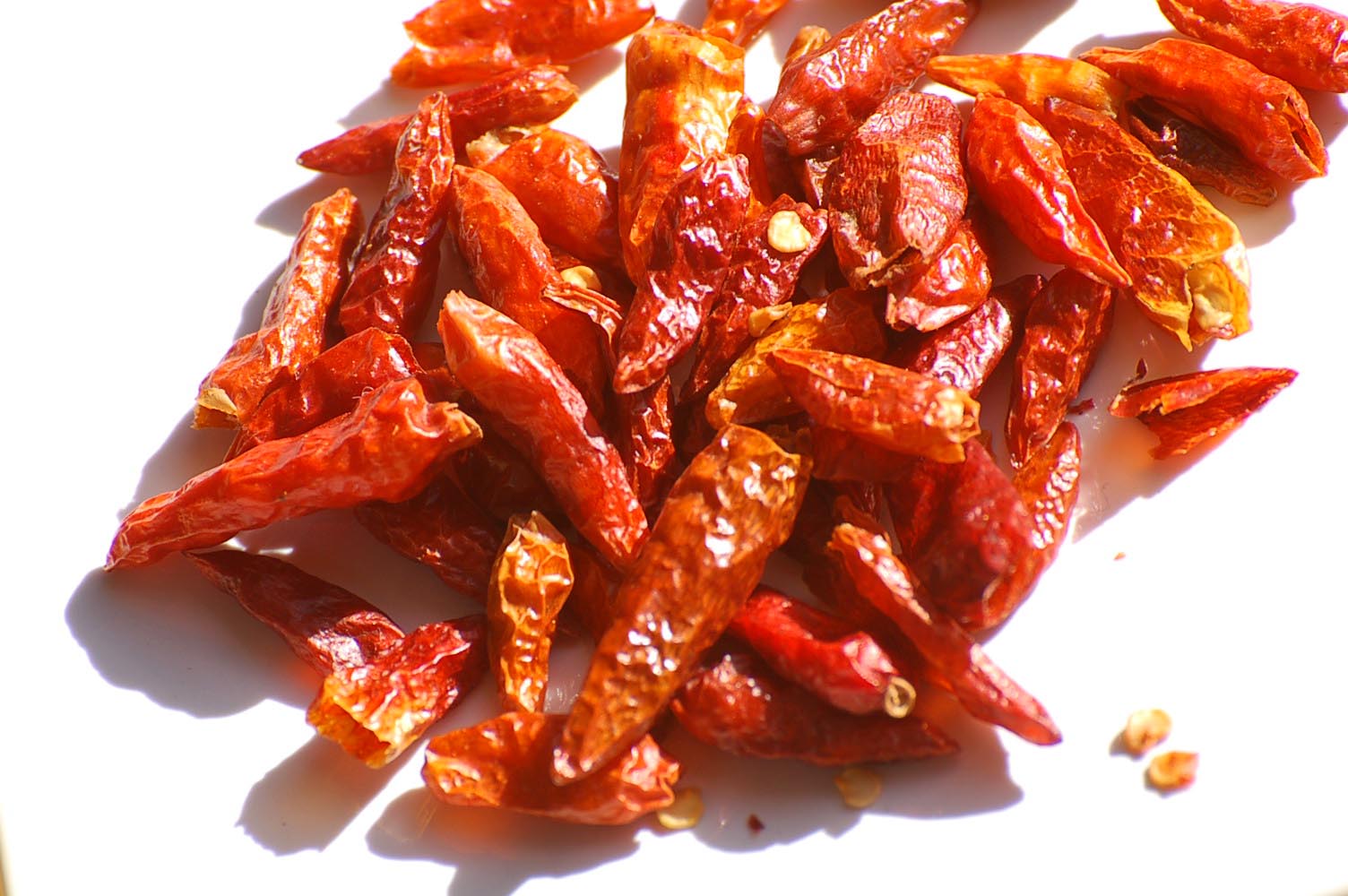
The Portuguese brought from Africa a small red pepper called bird’s-eye chilli that they use to make a popular hot sauce. In Portuguese both the pepper and the sauce are called piri piri (pronounced peeree peeree).

Restaurants that serve grilled chicken often make their own piri-piri sauce. What happens if you ask for their recipe? Here are some sample answers: “My Engleesh is not bery good, sory,” “We get it from Spain, you have to ask there.”

After years of undercover work, we gathered some piri-piri intelligence to share with you. The base of the sauce is usually vegetable oil, although a few restaurants use olive oil. Often, the piri-piri peppers are simply combined with the oil and left alone for a few days. In some cases, the oil is warmed to absorb more quickly the taste of the piri-piri pepper. Some recipes use vinegar, whisky, cognac, salt, parsley, coriander, cilantro, or garlic. No matter which version you try, piri piri will spice up your life.

The first Portuguese hero


Viriato was the first Portuguese hero. As a leader of the Lusitanos, he resisted the Roman invasion between 147 BC and 139 BC by waging a clever guerrilla war. He died in bed, assassinated by members of his tribe bribed by the Romans.

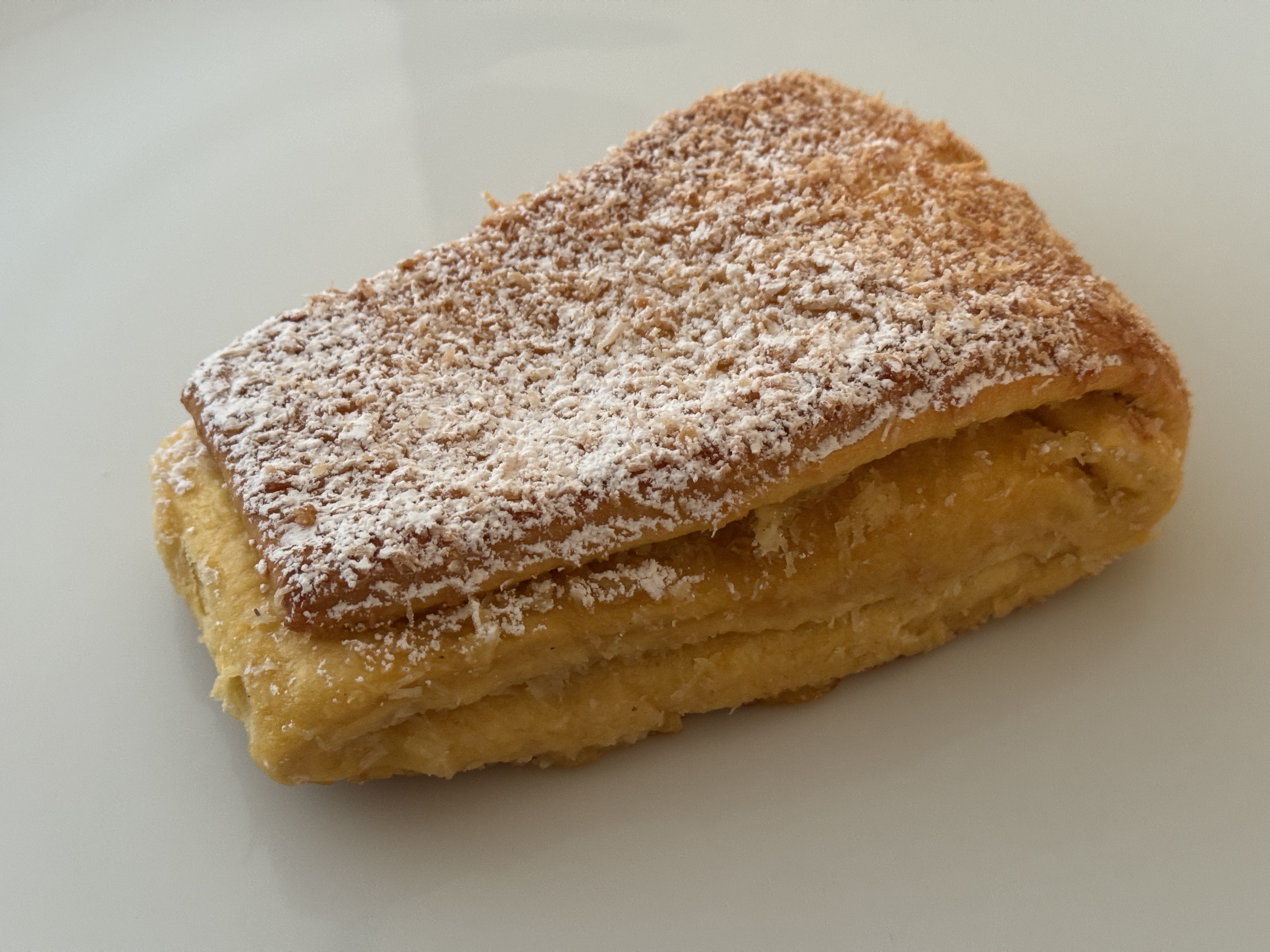
In the 1940s the city of Viseu erected an impressive monument to Viriato. But the most popular homage to the great warrior is not carved in marble or cast in bronze. It is made of eggs, coconut, and sugar. The V-shaped pastries called Viriatos are very popular in the Viseu region. And, thanks to them, all the little kids know the name of Portugal’s first hero.

Star olive oil

OLYMPUS DIGITAL CAMERA

So many people come to Portugal looking for the perfect vacation. We see them arriving at the airport, impatient sun worshipers ready to experience the country’s radiant beauty.

For some of these visitors, what starts with a few days of relaxation turns into a lifetime adventure. Detlev von Rosen, a Swedish entrepreneur, came to Portugal forty years ago and he never left. He bought farmland in the Algarve and began to learn about the soil, the water, the wind and the sun.

He first used this knowledge to cultivate flowers. Later, when he felt ready, he planted olive trees. He discovered that the olives had to be picked by hand and pressed shortly after the harvest. He searched for ways of extracting the oil that would keep it pure.

His results are extraordinary. We could tell you that his customers include Carla Bruni and the Queen of Sweden. However, this is not a gossip blog, dear reader, so we will refrain from name dropping.

Sadly, Detlev Von Rosen passed away in 2016 at age 80. But his legacy lives on in the hands of long-time collaborators who inherited his passion for producing exceptional olive oil.

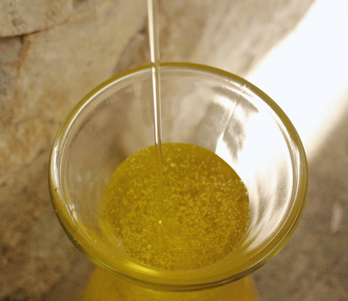
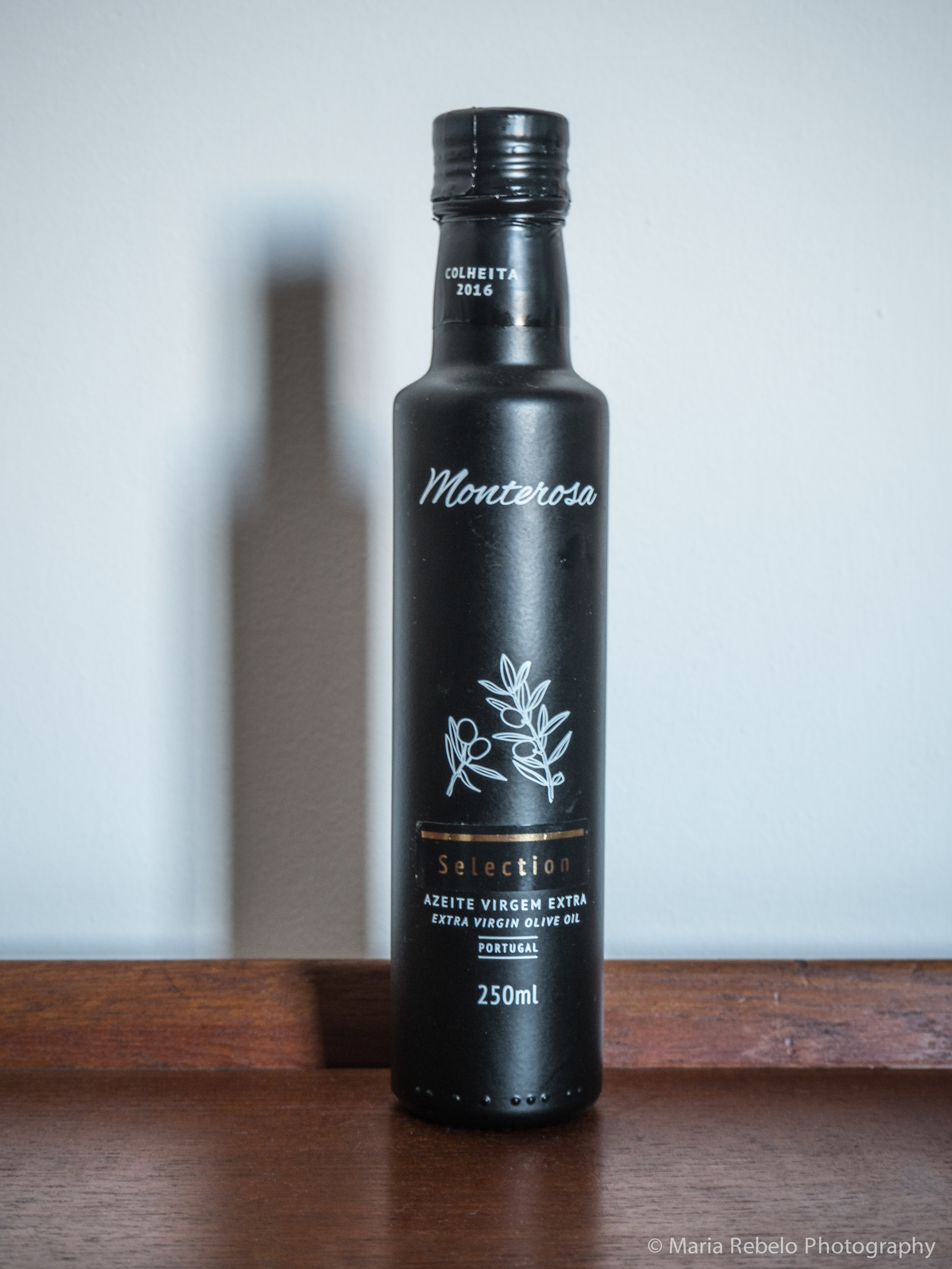
The oil is sold in small bottles under the name Monterosa, a Portuguese transliteration of Von Rosen. These bottles are hard to find, but you can order them online through the company’s website. If you’re looking for a special gift for a loved one, forget Chanel No. 5 and try Monterosa No. 1.

Figs and treasures

Spoiler alert: if you are planning to read ancient tales about treasures, stop reading this post! To those still reading, we will tell you that in ancient tales, treasures are often buried under fig trees. The reason is symbolic. The fig tree is ugly but it bears the most luscious fruit.

Portuguese figs are glorious. You can pair them with “presunto” (Portuguese prosciutto) as an appetizer or have them for desert. When you taste a Portuguese fig you realize that the real treasure is not underneath the fig tree but hanging from its branches.

Tremoço

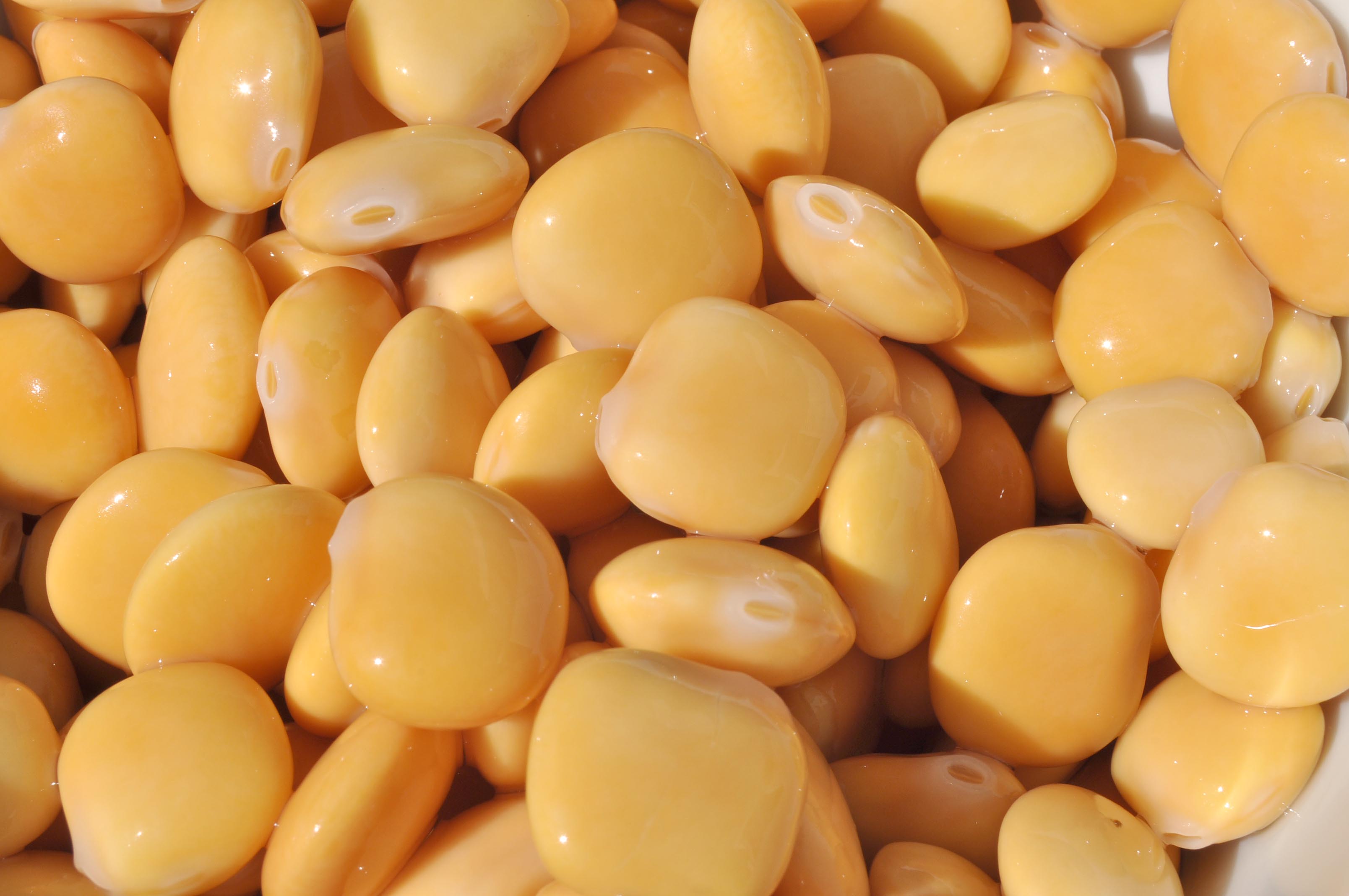
If percebes are too adventurous for you, your next best bet is tremoços (lupini beans). You eat them by tearing the skin with your teeth and popping the seed into your mouth. Recent research finds that the tremoço is a great health food. These findings would not surprise Hippocrates who touted their health benefits 2,500 years ago.