The Portuguese oranges of Louis XIV

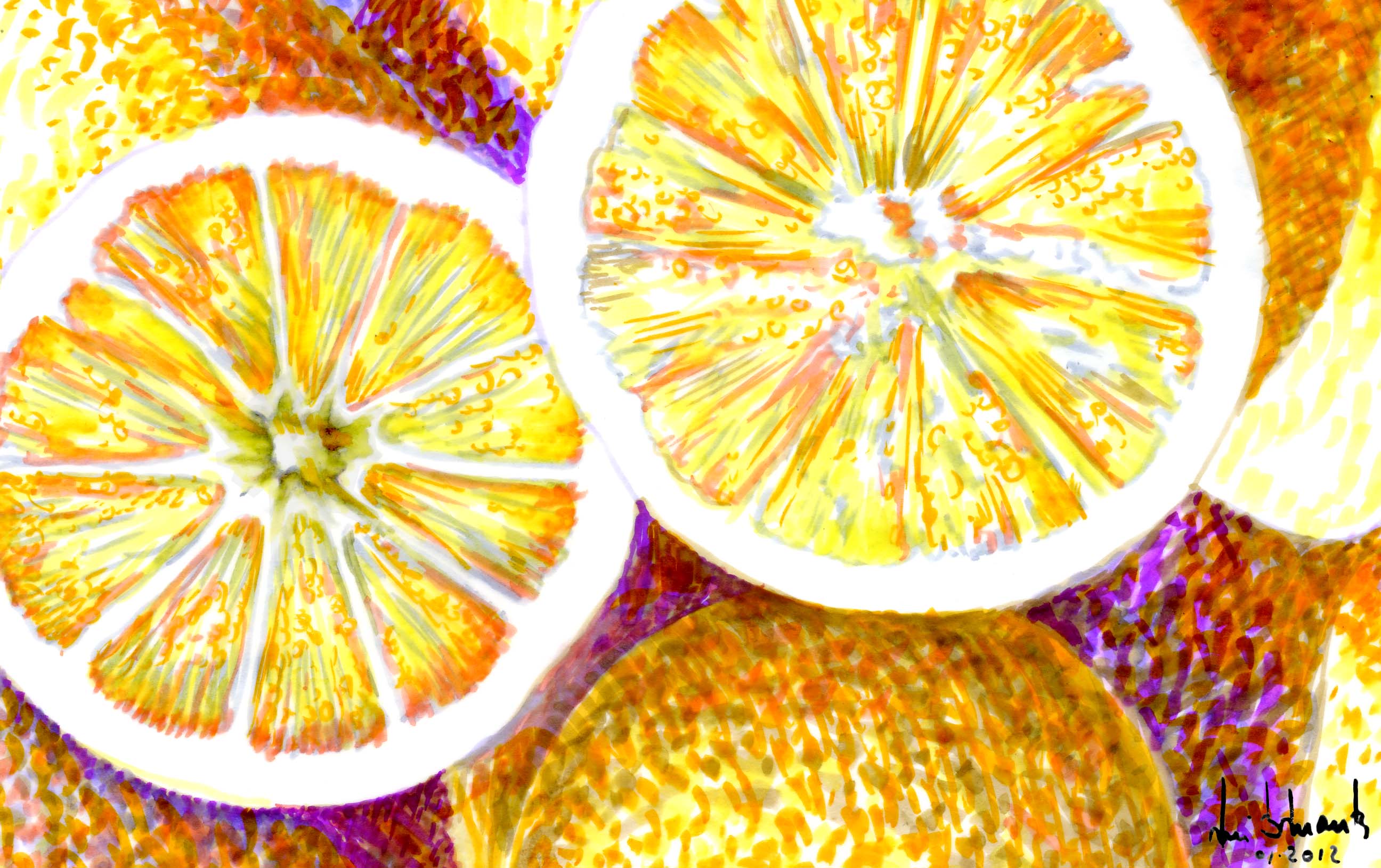
As laranjas Portuguesas de Luis XIV, Rui Barreiros Duarte, ink on paper, 2012.

“Portugal,” “Portugal,” cried the street vendors in 17th century Paris. They were selling a novelty fruit: sweet oranges from Portugal. European oranges were bitter, good only to make marmalade.  That all changed when the Portuguese brought sweet-orange trees from India and China. These trees produced the most fashionable fruit in Europe. Portuguese oranges were so expensive, that Moliére used them in his play The Miser to signify extravagance. Louis XIV, who thought that sweet oranges looked like the sun, adopted them as his personal symbol and did not rest until he had his own “orangerie.”

If you visit Portugal, order a freshly squeezed orange juice in an outdoors café in an old neighborhood. Imagine yourself in the 17th century. Enjoy this luxurious drink that only kings and nobles can afford. Doesn’t it taste sweet?
Tram number 28

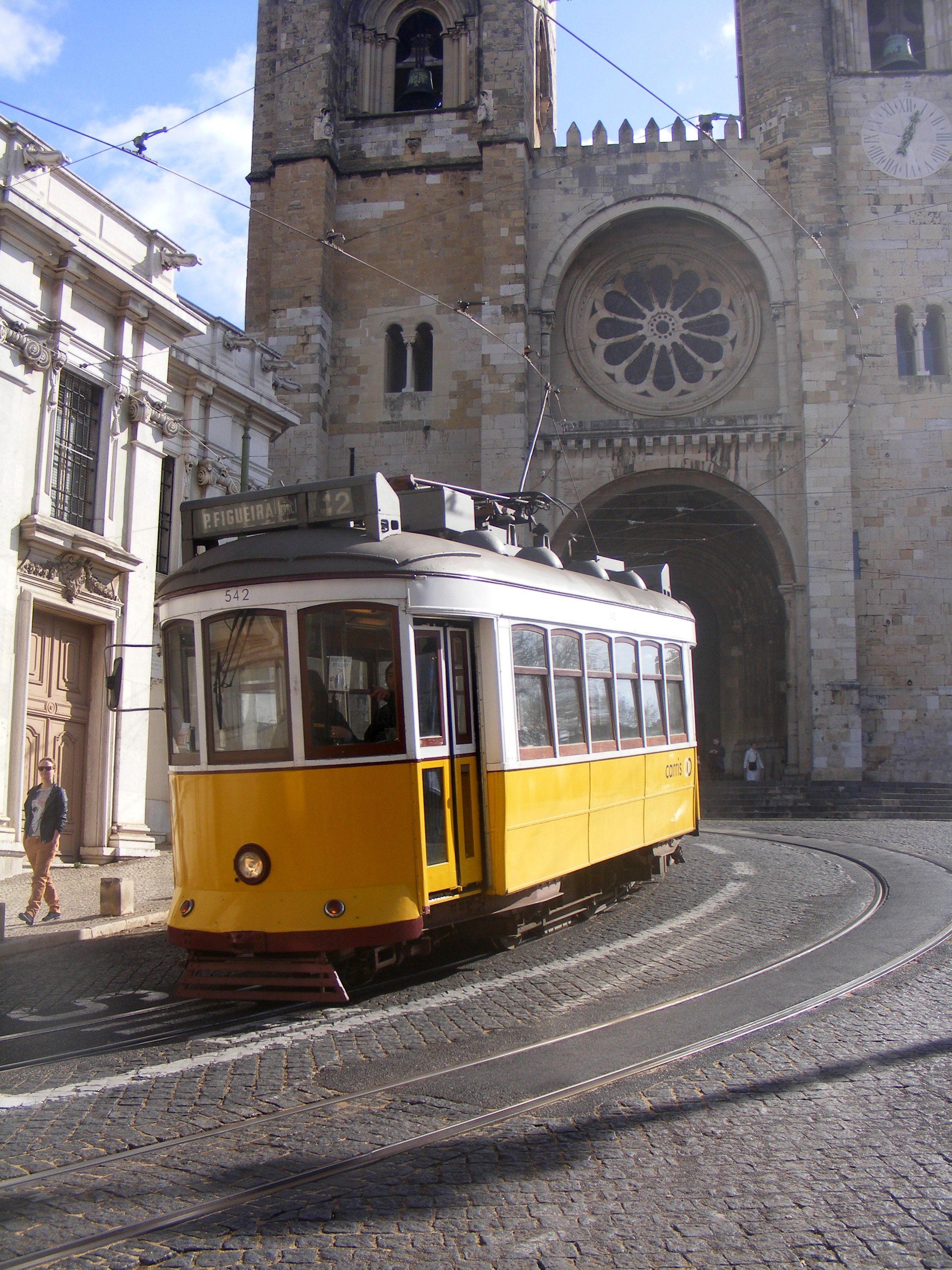
One of Lisbon’s hallmarks are the “eléctricos,” the yellow trams that have helped residents negotiate the city’s narrow streets and steep hills since 1901. A very popular way to see Lisbon is to board tram number 28.

You can make Campo de Ourique your first stop and have a wonderful lunch at Tasca da Esquina. Save some room for dessert because, around the corner, you can eat a slice of life-changing chocolate cake. Don’t drink coffee yet; the tram takes you to Chiado where you can have an espresso at Brasileira, one of poet Fernando Pessoa’s favorite cafés.

Next, the 28 goes downtown. You can stroll in Rossio and sit in the esplanade of Café Nicola, enjoying the views and drinking another cup of coffee. Then, walk to Terreiro do Paço through Rua do Ouro (goldsmith street) or Rua da Prata (silversmith street). In Terreiro do Paço you can contemplate the Tagus river and have yet another coffee at Martinho da Arcada, another Fernando Pessoa favorite.

Now that you are fully caffeinated, board the 28 to go uphill to Alfama, the only neighborhood that survived the 1755 earthquake. You can walk to St. Jorge’s castle and enjoy the sunset views. Then, back to Chiado, where you can have a great dinner at Cantinho do Avilez, followed by some ice cream at Santini. As the day ends,  you’ll realize that the tram 28 is much more fun than the Orient Express.

Hotel Britania

In the 1940s, it was impossible to find an hotel room in Lisbon. Aristocrats, businessmen, smugglers, and spies of all stripes filled the luxury hotels. They also crowded the gambling tables in Casino Estoril, the place where Ian Fleming, a young British intelligence officer, found the inspiration for the first James Bond novel, Casino Royale.

Most of the hotels popular in the 1940s have been renovated beyond recognition. One exception is the beautiful Hotel Britania, which was recently restored to its original elegance and understated glamour.

Built in 1944, it was designed by architect Cassiano Branco in an art deco style. Located on a quiet street, it is the kind of place where Ingrid Bergman could have mended her broken heart, and where martinis are served shaken, not stirred.

Click here for Hotel Britania’s web site.

A childhood treat

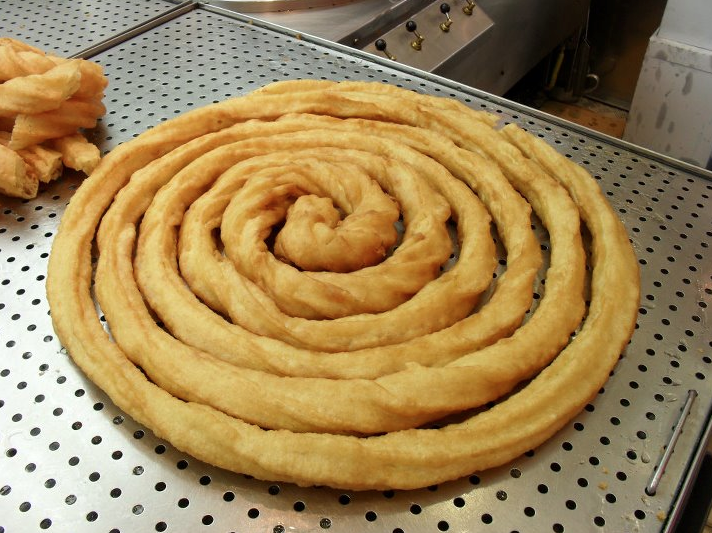
Farturas are similar to Spanish churros, though larger and softer.  A light dough made of eggs and flour is squeezed out of a pastry bag to form a large spiral shape. The dough is gently fried in oil, snipped with scissors into pieces, sprinkled with sugar and cinnamon, and served immediately.

A hot fartura has a way of taking you back to childhood, when everything felt simple and full of promise, and the infinite future tasted sweet. You’ll find farturas at fairs across Portugal, but our favorites come from the São Mateus fair in Viseu. This year, the fair runs until September 23—so there’s still time to go, and to feel like a kid again.

Beer and seafood in Lisbon

OLYMPUS DIGITAL CAMERA
When Portuguese chefs are not working, they like to gather at Cervejaria Ramiro to enjoy some beer and seafood.

The restaurant is located in an unglamorous part of Lisbon and looks like an ordinary place. What makes it unique is its extraordinary seafood.

Ramiro does not serve farmed shrimp that arrives, tired and frozen, from far away lands. Instead, they offer you precious fresh shrimp from the Algarve. They prepare exquisite “carabineiros,” large shrimps once abundant in Spain but now available only in Portugal. They cook tender clams, a wonderful crab called “santola,” and salty percebes brought warm to the table.

Even though Ramiro is in business since 1956, it is excluded from tourist guides for national security reasons. If the Spaniards learned about Ramiro’s seafood, they might invade Portugal.

Av. Almirante Reis, nº1 – H, 1150-007 Lisboa, tel. 21 885 10 24, email geral@cervejariaramiro.pt, click here for website.

Mãe d’ Água

There is so much about this restaurant that is out of a fairy tale: two brothers, an ancient spring, a magical landscape, food and wine fit for a king.

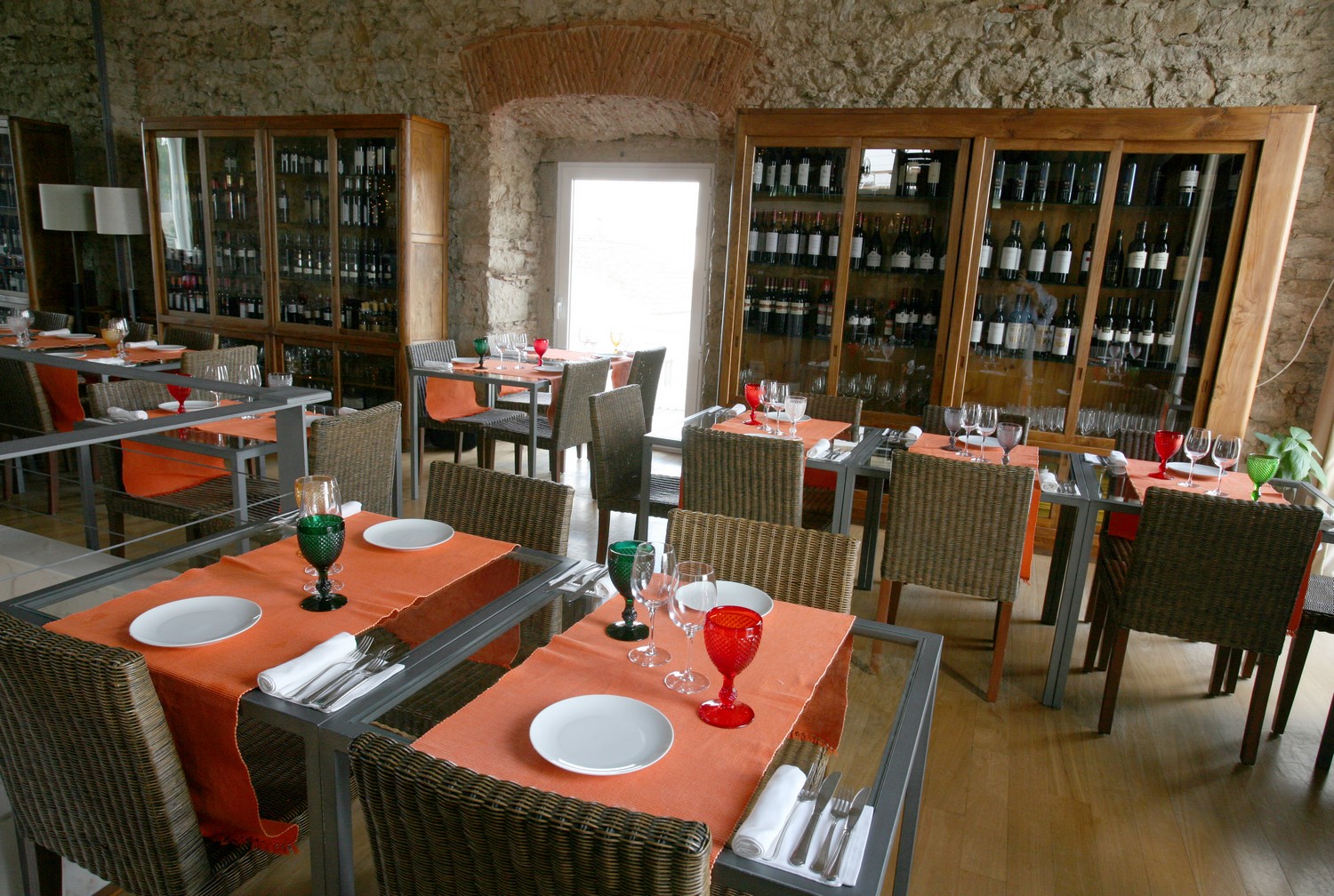
In 2004 the brothers Artur and Carlos Lopes found a late 19th century barn in Sobral do Parelhão, a small village near Bombarral, 70 km north of Lisbon. There, they built a restaurant perfectly in tune with its surroundings. They called it Mãe d’Água (water source) because water from a nearby spring runs through the building.

They cut the ancient brick walls to open large windows that frame the handsome landscape of Estremadura. They filled elegant wood cabinets with wines from the region. They chose a menu full of delicacies, briny shrimp in garlic sauce, fragrant lingueirão rice, tender lamb chops, and much more. Mãe d’Água is a fairy tale come true.

Sobral do Parelhão, Bombarral, Rua 13 de Maio 26, 2540-467 Carvalhal, tel.262 605 408, email geral@restaurantemaedagua.com, click here for their website.

The best Portuguese pears


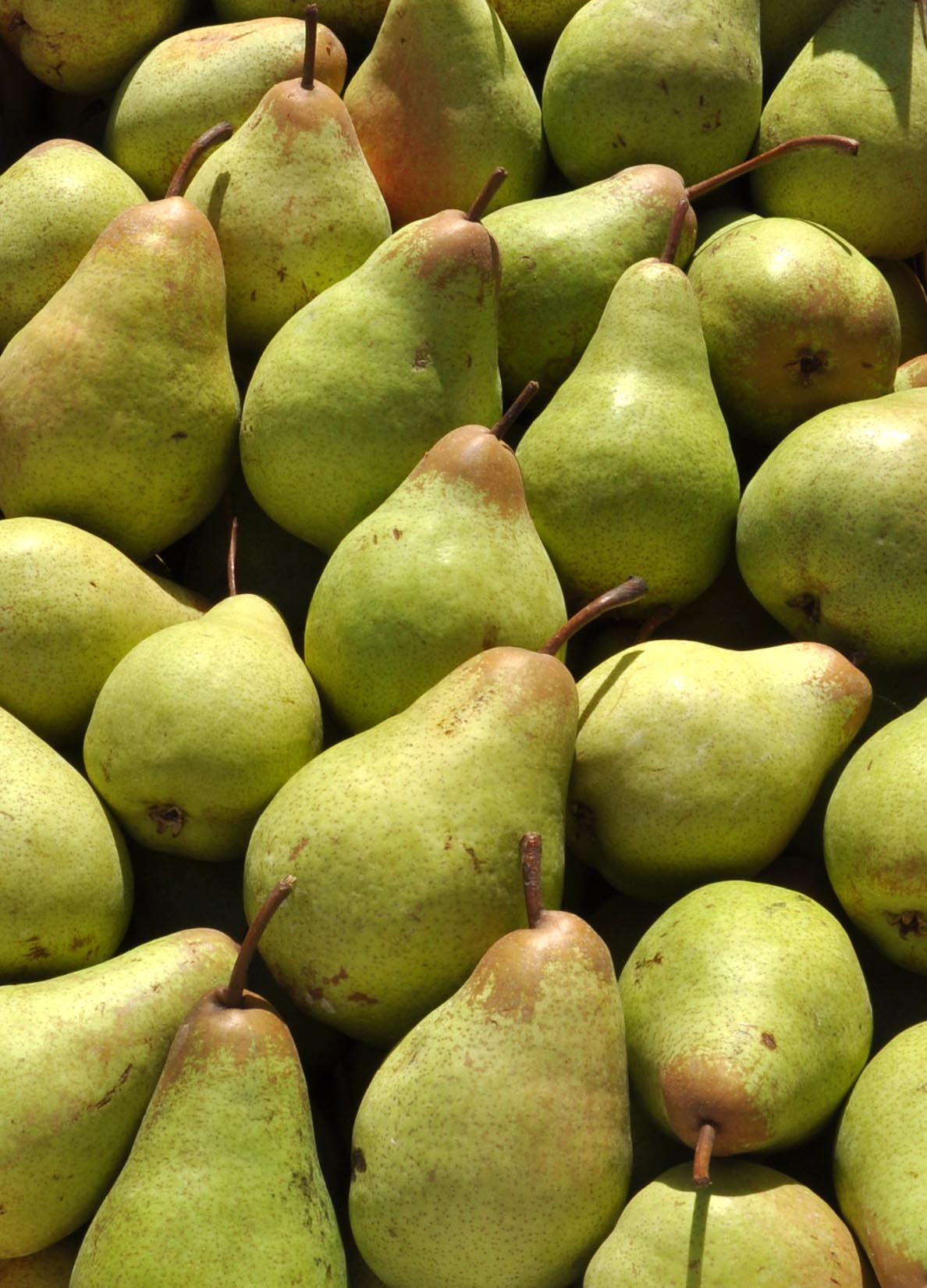
In August farmers markets overflow with pera rocha (rocha pear), a delicious pear variety unique to Portugal. In 1836 António Rocha, a horse dealer from Sintra, noticed a tree that produced unusual pears. These pears had a crusty texture, a sweet aroma, and a refreshing taste. He shared grafts from this wonder tree with his neighbors, who shared them with their neighbors, spreading pera rocha throughout the west of Portugal.

Paul Cézanne, born in 1839, loved to paint pears. He painted them as overlapping abstract shapes, with warm colors and cool shadows, with flat brush strokes, with thin washes of pure pigment. All his life he searched for the perfect pear. He did not know that António Rocha had found it.

Portuguese wine


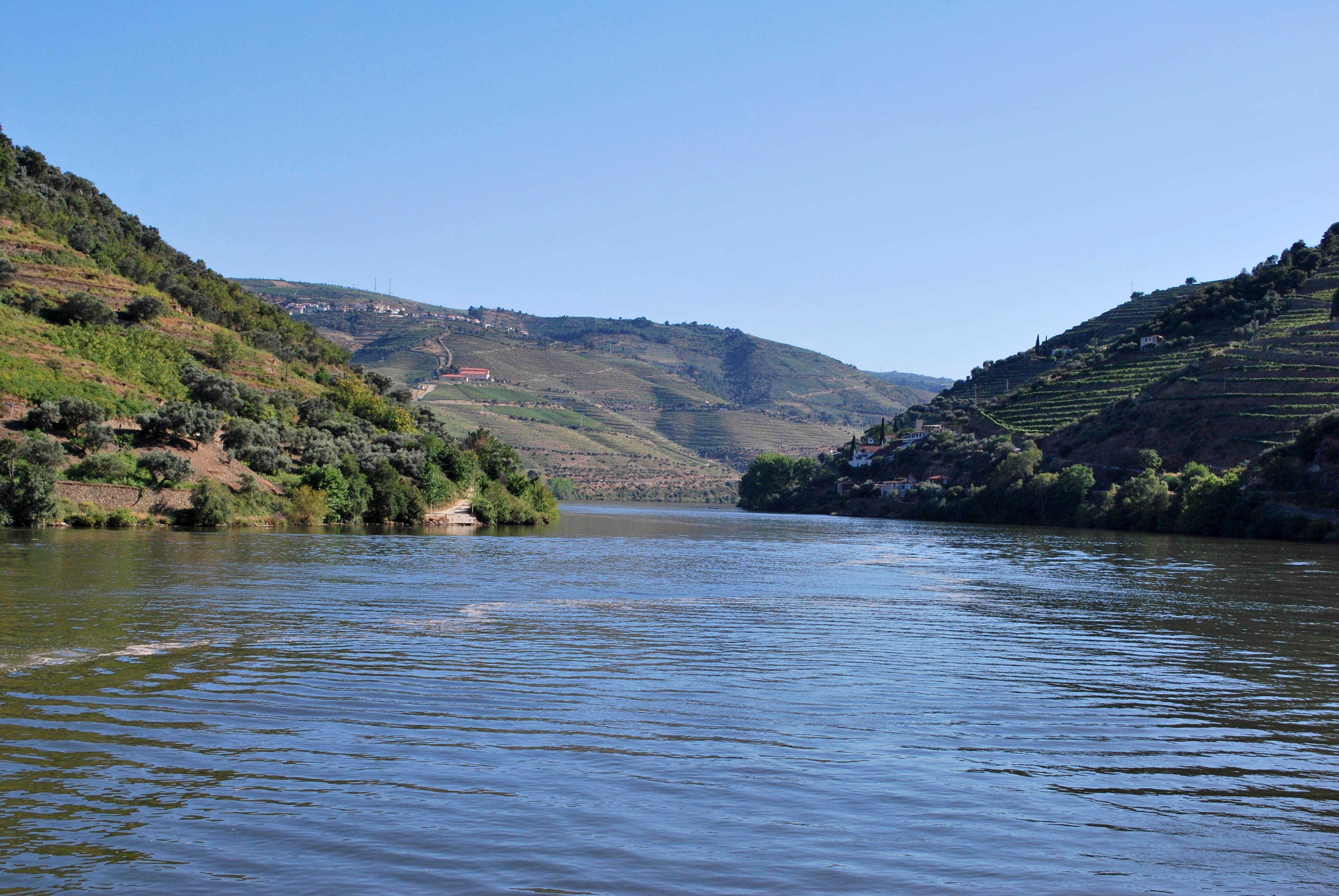
After World War II Mateus Rosé, a sweet rosé wine, brought precious export revenues to a poor country. But it branded Portugal as a producer of cheap, easy-to-drink wine. Virgil famously wrote that “Bacchus amat colles,” (Bacchus loves the hills), implying that grapes cultivated on slopes are especially blessed. Portugal’s rolling hills going down to the sea are ideal for wine production. Large investments in technology and a new generation of enologists are making sure that the blessings of the ancient god of wine do not go to waste.

America discovers Portugal

Americans discovered France, Italy, and more recently,
Spain, as vacation destinations.  But Portugal has remained terra incognita. That is changing. The New York Times has written a steady stream of articles about Portugal. Most are about Lisbon; about the places to go, the culinary renaissance, the new restaurants, the new museums, the relaxed atmosphere, and the art scene. But the Times has also discovered Cascais and Évora. The Wall Street Journal tells its readers that “In Portugal you can pack seven days worth of castles, clubbing, seafood, shopping and luxury hotels into one perfectly affordable long weekend.” Now, perhaps Woody Allen will consider directing a movie about a writer who comes to Lisbon and discovers that the secret to eternal youth is a daily bath of piri-piri sauce.

The first Portuguese hero


Viriato was the first Portuguese hero. As a leader of the Lusitanos, he resisted the Roman invasion between 147 BC and 139 BC by waging a clever guerrilla war. He died in bed, assassinated by members of his tribe bribed by the Romans.

In the 1940s the city of Viseu erected an impressive monument to Viriato. But the most popular homage to the great warrior is not carved in marble or cast in bronze. It is made of eggs, coconut, and sugar. The V-shaped pastries called Viriatos are very popular in the Viseu region. And, thanks to them, all the little kids know the name of Portugal’s first hero.