Dining at Ceia with Alex Atala

Dining at Ceia is always a singular experience, but even more so when shared with the legendary Brazilian chef Alex Atala, seated humbly among the guests as if he were a mere mortal.

Lisbon’s most elegant table was adorned with the bark of a cork tree, harvested on the thirtieth anniversary of its growth. Draped in moss, mushrooms, and delicate flowers, it set the stage for a menu designed by chef Renato Bonfim and inspired by Hieronymus Bosch’s Garden of Earthly Delights.

The meal began with a whisper—an ethereal broth of ginger and algae, offering no hint of the wonders to come. A bowl soon appeared, strewn with moss and topped with chopsticks decorated with flowers. Nestled beneath the blossoms was a sublime tartare of carabineiros, the crimson prawns of the Algarve. “I was trained as a Bocusian,” Atala said, referring to Paul Bocuse, the patriarch of nouvelle cuisine. “I expect the food to be on the plate, but here, the food is beyond the plate.” A joyful Blanc de Noirs from Bairrada, fittingly named Dinamite, kept us good company.

Then came Water: a delicious composition of tomato, coriander oil, and a sorbet of toasted bread and garlic. Kristin Liebold, the gracious maître d’, poured glasses of Tepache she had crafted herself—a lightly fermented pineapple elixir that brightened the palate.

Another delight soon followed: slices of savory garlic cheesecake, adorned with white blossoms, served with perfectly fried hake from the Azores. The fish was prepared in a traditional style:  marinated in milk, lemon, salt, and pepper, then delicately fried in tempura batter. 

Atala reflected on how his time in Italy had taught him the importance of simplicity and repetition in dishes like fried fish. “Every Sunday, the mother cooks for the family,” he said, “but when the nonna (grandmother) prepares the same dish, it becomes a feast. The ingredients don’t change—but the nonna brings a deeper understanding, born of repetition and a lifetime of attention to detail.”

An exquisite wine, whimsically called Viagem ao Princípio do Mundo (journey to the beginning of the world), filled our glasses. It is made with Alvarinho grapes grown in Melgaço and aged in sherry casks.

We were then invited into the garden, where, under flickering candlelight, oysters from Setúbal arrived dressed in spinach and algae, gently cooked in a Bulhão Pato style. Atala spoke about the importance of authenticity and of how this dish marries local ingredients and time-honored techniques with a sense of modernity.

Back in the dining room, the next course arrived: cordyceps mushrooms cleverly disguised as pasta. They were glazed in aged balsamic and served with a warm, buttery brioche, the perfect partner to their umami taste. A luminous white wine from António Madeira in the Dão lent the moment a festive air.

The final savory dish was a richly flavored wild boar terrine, served with oven-cooked rice and bread made from roasted quiabos (okra).

Dessert began with a leche de tigre jelly, adorned with nasturtiums and elderflower. Then came a mousse sculpted in the shape of Silent Living’s Herdade no Tempo, the estate that supplied much of the pristine produce featured throughout the meal. The mousse was encircled by an orchestra of cherries: fresh, roasted, and infused with lemon. 

A 2000 vintage Port crowned an unforgettable meal that Renato Bonfim and his youthful brigade cooked for Alex Atala, a philosopher-chef who sees food in its fullness: as ingredient and craft, as joy and communion.

Ceia is located at Campo de Santa Clara, 128. Lisbon. Click here for the restaurant’s website.

Drinking wines of the past with Virgílio Loureiro

Virgílio Loureiro is a renowned professor of enology and microbiology whose lectures inspired generations of students. A holder of several wine-related patents and the author of numerous scientific publications, he is also a masterful practitioner of the art he teaches. Virgílio champions unique wines crafted in small batches, often made from rare indigenous grape varieties on the brink of extinction. His deep knowledge of the wine’s biochemistry is matched by an equally profound passion for the history of wine. 

Though officially retired, Virgílio remains as active as ever. One of his most fascinating projects is the revival of winemaking traditions in the region once known as Banda d’Além, the “other side” of the Tagus River, just across from Lisbon.

In the 14th century, the region became famous for a sweet wine known as Bastardinho do Lavradio. Initially made as a passito from sun-dried grapes, it retained this style until the 18th century, when it began to be produced as a fortified wine. In both styles, the wine preserves its natural sweetness because the yeast dies before converting all the fructose into alcohol, due to the high sugar concentration in the passito and the addition of alcohol in the fortified version. Crafted from the Bastardo grape variety, Bastardinho do Lavradio was known in England as ‘Bastard wine,’ and admired for its remarkable balance of sweetness and acidity.

Viticulture thrived in Banda d’Além until the 19th century. The vineyards endured the oidium blight of the 1850s thanks to sulfur treatments and were protected from the ravages of phylloxera by their sandy soils. Yet industrialization proved more destructive than any pestilence: factories replaced vineyards, and the winemaking heritage slowly vanished into oblivion.

Virgílio believes that this forgotten region may be the birthplace of Port wine. In the Middle Ages, Franciscan monks produced here passito wines for sacramental use. By the 16th century, similar wines began to appear in the Douro Valley—likely influenced by these monastic practices. These early sweet wines, he suggests, were probably the first expressions of what we now know as Port wine.

In the last few years, Virgilio has been working with Teresa and Adelino Martins, owners of Quinta da Estalagem, one of the region’s last remaining farms. The estate is situated in a place of rare natural beauty and rich historical significance. It is near the Roman port of Aquabona on the Coina River, and not far from the shipyard where Paulo da Gama, brother of the famed navigator Vasco da Gama, built some of the ships used by Portugal during the Age of Discovery. Scattered through the region are vestiges of 15th-century ovens once used to bake hardtack, the hard biscuits consumed by sailors on their long sea voyages.

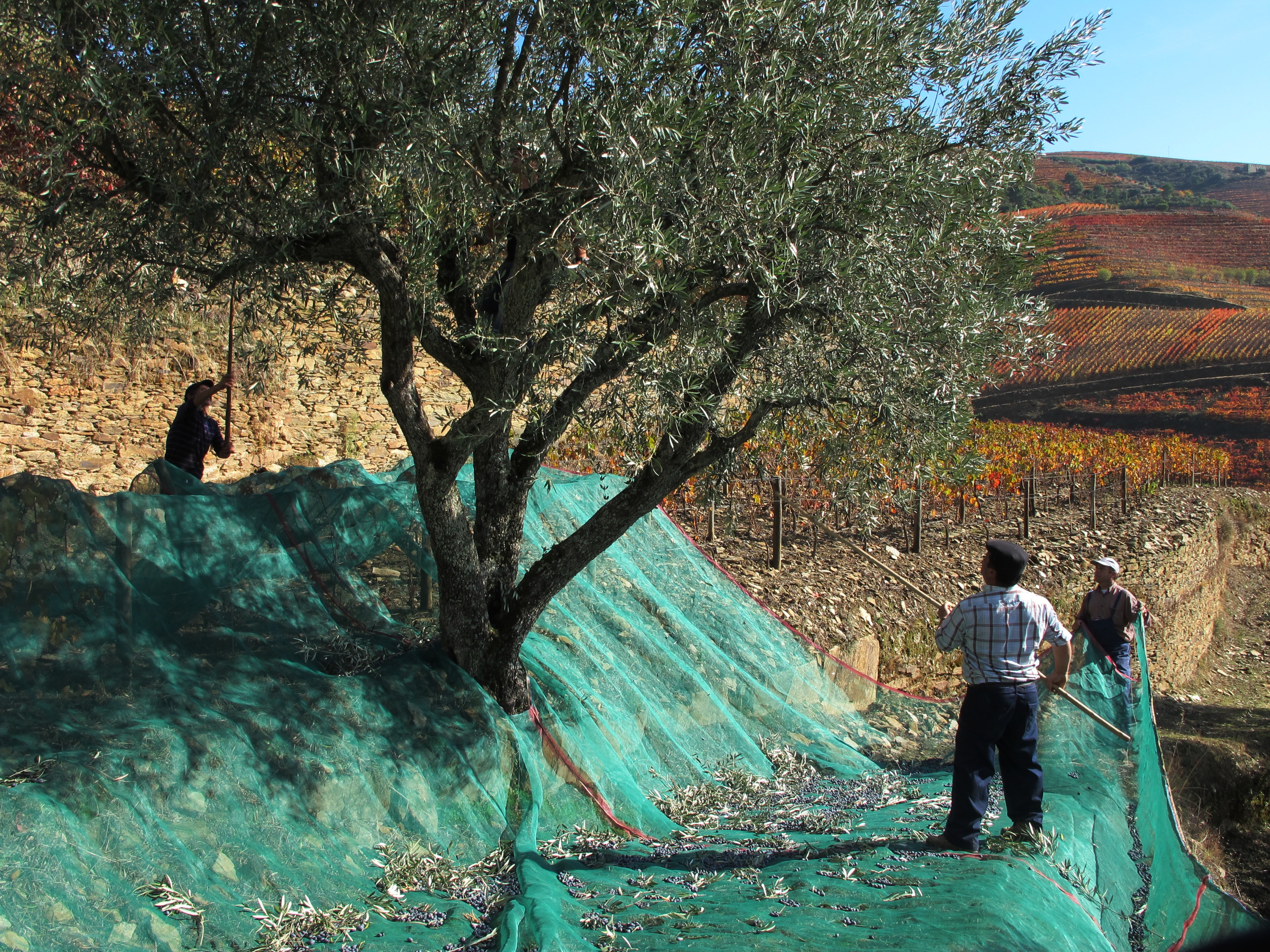
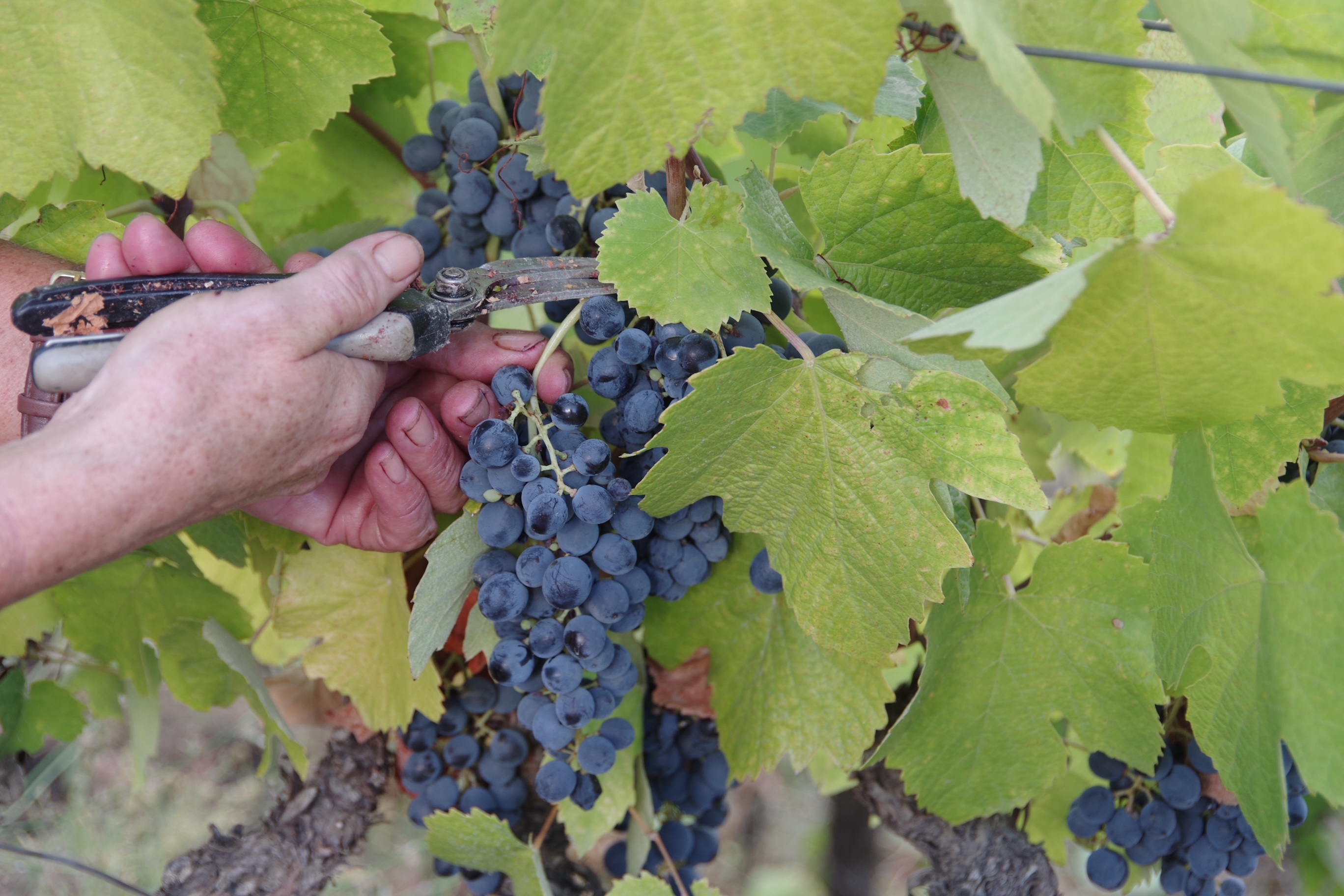
When we arrived at Quinta da Estalagem, Adelino was busy in the vineyard, harvesting grapes with a team of workers. Bastardo ripens early and must be picked before the birds help themselves to the fruit. Teresa and Virgílio joined us in the farm’s cellar for a wine tasting.

We began with Vinho do Pote, a vibrant white wine made from Fernão Pires, following Roman techniques dating back to the 5th century: the grapes were fermented in clay pots sealed with pitch and beeswax. Served in simple tavern glasses from Alentejo, the wine exudes a rustic elegance, with smoky notes, a textured palate, and bright acidity.

Next came Equabona, named for the ancient river route that once connected the Coina port to Mérida in modern Spain. Made from the same Fernão Pires grapes, this wine is delicately infused with fenugreek—an herb cherished by the Romans for both its flavor and medicinal properties. The result is an aromatic, amber-hued wine with notes of spice and a long, curried finish.

Our third tasting was a white wine gently scented with poejo (pennyroyal), which lends an herbal character reminiscent of a refined vermouth.

Then came a striking contrast: a white wine made using the curtimenta method of fermenting white grapes with their skins. The wine has a textured body and gentle tannins that lend both depth and character. This 17th-century technique is making a comeback — wines produced in this way are now popularly known as “orange wines.”

We then tasted a red made from Castelão, which pays tribute to the honest, everyday wine enjoyed across the region in the 20th century. It is light, fresh, and direct, with the grip of youthful tannin and the aromatic clarity of this hardy grape.

Finally, we tried the precious Bastardinho do Lavradio. Lost since the 1940s, this legendary wine has been resurrected through Virgílio’s tireless research and Adelino and Teresa’s steadfast dedication. It is a rare privilege to savor a stunning wine that history had almost forgotten.

Our visit to Quinta da Estalagem was far more than a wine tasting. It was a journey through centuries of winemaking, guided by one of Portugal’s most extraordinary wine scholars.

Click here for the Banda d’Além website. To schedule a visit, email adega@bandadalem.pt


Savoring pasteis de nata at Hotel do Bairro Alto

In Lisbon, pastéis de nata inspire near-religious devotion. And with good reason–these delicate tarts, made of flaky layers of puff pastry and filled with a luscious cream of eggs and milk, offer a glimpse of heaven on earth.

Some Lisboetas are devoted to a neighborhood pastry shop that proudly displays the words Fabrico Próprio on its façade, signaling that its pastries are made in-house. But the city’s most revered pastry sanctuary is the Antiga Confeitaria de Belém, which has been drawing pilgrims since it first opened its doors in 1834.

Manteigaria is a more recent cult whose crisp, lemon-kissed tarts have earned a loyal following. Its original Chiado location has become a popular pastry shrine.

There is also Pastelaria Aloma, a bakery in Campo d’Ourique, which rose to fame after winning national competitions in 2012 and 2013.

Just when we thought we had tasted all the city’s holy pastries, we stumbled upon a new revelation, hidden in plain sight at the recently renovated Hotel do Bairro Alto. Its pastéis are extraordinary. The custard, radiant yellow and delicately scented, has just the right touch of sweetness. The crust is golden, crisp, and exquisitely flaky with seven layers that echo Lisbon’s seven hills.

When we asked the servers about the recipe’s ingredients, they nodded politely and walked away. But on the final morning, a waitress slipped us a handwritten note with the ingredients. The secret? The filling is made not with cream, but with milk and cornstarch, lending it an ethereal lightness. The crust’s sublime texture is achieved through a blend of butter and pork lard.

So here is an insider’s tip: if you find yourself near Chiado, step into the Hotel do Bairro Alto and take the elevator to the fifth floor. Settle into the serene terrace overlooking the Tagus River and order some pasteis de nata. As you sit there, savoring these sweet devotions, you’re likely to find yourself at peace.

Hotel do Bairro Alto, Praça Luís de Camões 2, Lisbon, tel. 213 408 288, email: reservations@bairroaltohotel.com. Click here for the hotel’s website.

Diogo Lopes, a star winemaker

In 2023, Grandes Escolhas, a leading wine magazine, named Diogo Lopes “Enologist of the Year.” The seeds of this recognition were planted in his childhood. While most of his friends spent their summers by the sea, Diogo stayed on his grandfather’s farm in the mountains of Covilhã. A passionate vintner, his grandfather produced 2,000 liters of wine each year—enough to enjoy with family and share with friends. The experience of harvesting grapes left a lasting impression on young Diogo.

Though he studied at the Military Academy with the intention of becoming a naval officer, the pull of the land proved stronger than the lure of the sea. He transferred to the School of Agriculture, where two encounters shaped his future: one with the legendary enology professor Virgílio Loureiro, and the other with celebrated winemaker Anselmo Mendes. In 2001, Mendes invited Diogo to join one of his harvests. Their collaboration has endured ever since. “Anselmo is my enological father,” Diogo says. 

The best place to experience Diogo’s wines is Sal na Adega, a restaurant that treats codfish with the reverence it deserves. It is located next to Adega Mãe, the winery where Diogo crafts his wines.

The clay- and limestone-rich soils of Torres Vedras are ideal for sparkling wines. A striking example is Adega Mãe’s Pinot Noir espumante, which is aged for 45 months. It has a beguiling copper hue and an invigorating freshness. We could not imagine a more brilliant companion until Diogo opened an arresting Brut Nature made from Arinto and Chardonnay. In France, Chardonnay is traditionally paired with Pinot Noir, but here, it has found a dazzling new partner in Portugal’s Arinto. The chemistry between these two grapes is extraordinary. Crisp codfish cakes arrived, perfectly complementing the elegance of both sparkling wines.

Next, Diogo poured a glass of Vital, made from grapes grown in the Montejunto mountains, just eight kilometers from the sea. The terroir, rich in limestone, lends the wine subtle iodine notes and remarkable complexity. It was a perfect match for codfish Brás style, a comforting blend of shredded cod, fried potatoes, and eggs, prepared tableside.

The culinary climax came with the restaurant’s signature dish: codfish cachaço (collar). Diogo paired it with the 2017 Terroir Branco, a masterful blend of Arinto and Viosinho, a Douro varietal that has flourished in this coastal terroir.  Made without haste, like in the old days, it is a wine Diogo’s grandfather would surely have cherished.

The meal concluded with a remarkable surprise: a late-harvest made from Sémillon and Petit Manseng. It was dessert in a glass, with notes of orange and fig that enchanted the palate.

If you’re looking for a memorable gastronomic journey, make your way to Sal na Adega. There, you’ll find not only superb codfish dishes but also the exceptional wines of a star winemaker whose journey from childhood harvests to national acclaim is worth celebrating.

Canalha

One of Lisbon’s most coveted new restaurants bears a mischievous name: Canalha—the Portuguese word for “scoundrel.” Behind this playful moniker stands one of Portugal’s most acclaimed chefs, João Rodrigues. After earning accolades in haute cuisine, João chose a different path: to open a neighborhood restaurant grounded in the rich culinary traditions of Portugal. The result is a place that is unpretentious and quietly exceptional. Each day features a new “prato do dia”—a beautifully prepared dish offered at a modest price. But for those inclined to indulge, the menu also offers exuberant pleasures: opulent seafood, exceptional cuts of meat, superb artisanal charcuterie, and exquisite wines.
The décor reflects the restaurant’s philosophy of understated elegance. Tabletops are crafted from lioz, the rose-toned limestone that graces Lisbon’s historic buildings. The floors are paved with traditional black-and-white mosaic. Ceiling fans stir the air with their wooden blades, creating a gentle breeze.

Our meal began with crusty bread and pungent olive oil, followed by pastéis de massa tenra—golden, crisp savory pastries filled with seasoned meat and served with a bold sriracha mayonnaise. Then came zamburinhas, small scallops bursting with briny sweetness, and an exquisitely tender squid, lightly charred to smoky perfection. The final dish—grilled octopus with sweet potatoes—was a flawless composition of textures and flavors.

Canalha is not a stage for culinary theatrics. There are no illusions, no deconstructed dishes; there is no drama on the plate. This is cooking rooted in reverence for the land, the seasons, and the ingredients. After stepping away from haute cuisine, João journeyed across Portugal in search of forgotten recipes, unique flavors, and small producers who work with passion and dedication. Their names are celebrated on the menu. One dish is dedicated to our friend Raul Reis, who grows the finest potatoes in Portugal.

João is soft-spoken but intense. At Canalha, he channels this intensity to produce something rare: food steeped in the flavors and traditions of Portugal, cooked with skill, honesty, and soul.

Canalha is located at Rua da Junqueira 207, in Lisboa, tel. 962 152 742. Click here for their website. Reservations are a must.

Moscatel de Setúbal, a dessert in a glass

We recently attended a Moscatel wine tasting led by enologist Frederico Vilar Gomes and fell in love with these remarkable dessert wines. Crafted in Setúbal, near Lisbon, by José Maria da Fonseca, they are made from Muscat of Alexandria—one of the oldest grape varietals still in cultivation. Enologists are unsure whether this ancient grape hails from Egypt or Greece. But its versatility is undisputed, producing both elegant table wines and rich dessert wines. 
Muscat vines offer generous yields and a remarkable genetic diversity that protects them against disease. The grapes are intensely aromatic, resistant to heat, and naturally rich in sugar. 

Like Port, Madeira, and Sherry, Moscatel (the Portuguese spelling of Muscatel) is a fortified wine. Brandy is added to halt fermentation before the yeast converts all the grape sugar into alcohol, preserving a lush natural sweetness.

The Moscatel made in Setúbal has been cherished for centuries for its remarkable aging potential. As it matures in oak casks, approximately 2 to 3 percent of the wine evaporates each year—a phenomenon whimsically known as the “angel’s share.” This gradual loss intensifies the wine, concentrating its sugar and acidity and deepening its character. 

José Maria da Fonseca, founded in 1834, is one of Portugal’s most famous wine producers. In 1849, it introduced Periquita, the first branded Portuguese red wine. Just a few years later, in 1855, it earned a gold medal at the Paris World Exposition for its Moscatel de Setúbal. Today, the company has over two million liters of Moscatel patiently waiting in barrels for their moment to shine.

In the 19th century, José Maria da Fonseca shipped barrels of Moscatel by sailboat to Brazil, India, and Africa. Occasionally, unsold barrels made their way back, and, to everyone’s surprise, the wine had improved. The heat and humidity of the sea voyage had accelerated the aging process, delivering in just one year the complexity that would have taken a decade to develop on land. Since 2000, the winery has revived this maritime tradition. Its “torna viagem” (roundtrip) Moscatel now sails aboard the Sagres, a majestic Portuguese Navy training ship, before being bottled as a coveted limited edition.

Unlike table wines, which are bottled in dark glass to protect them from light, Moscatel de Setúbal comes in clear bottles. Light exposure helps foster the oxidation that is key to its unique aging process.

We tasted three Moscatel wines from José Maria da Fonseca’s Alambre brand. The first was the  classic Alambre Moscatel: a liquid dessert with a vibrant orange hue and flavors of orange, honey, and caramel, seasoned with a hint of lemon zest.

Next, we tried a five-year-old Moscatel made from a rare regional mutation of Muscat—the purple muscat—a grape unique to Setúbal. The wine had a deeper hue and a complex profile: tangerine, apricot, lime, melon, honey, and caramel woven with exotic hints of incense, red pepper, and turmeric. 

Our tasting ended with the forty-year-old Alambre. It has a deep color and a taste infused with the distinct aroma of Brazilian oak. The aging process adds complexity to this extraordinary wine, enriching the caramel and honey notes with dried fruits, figs, cloves, and cinnamon flavors.

Whenever we crave an effortless dessert, we reach for a chilled bottle of Moscatel. As the legendary jazz singer Jon Hendricks once put it, “I can’t get well without muscatel.” We couldn’t agree more.

Eduardo Cardeal’s great challenge

Eduardo Cardeal was born in Abaços, a small village in the Douro Valley, where he learned the art of winemaking from his grandfather. As a child, he absorbed the traditions without fully understanding them. His grandfather used to say that the wine wasn’t “cooked” until April. Years later, while studying enology in college, he realized this phrase referred to the malolactic fermentation, the natural process through which lactic acid bacteria transform tart malic acid into softer lactic acid, reducing acidity, enhancing texture, and adding complexity to the wine.

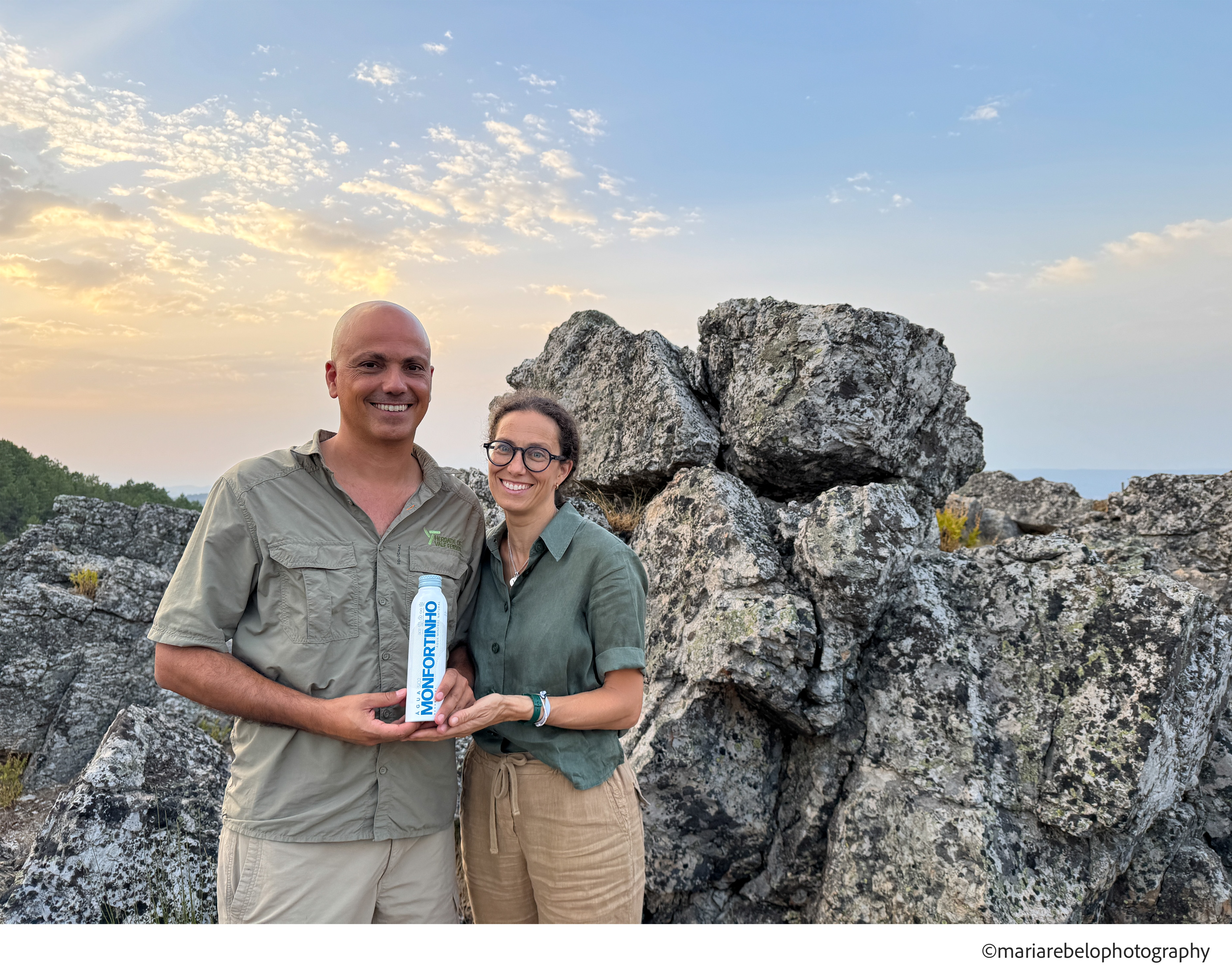
We first met Eduardo in 2019, when he was the head enologist at Herdade da Calada. His life had been marked by tragedy—his wife had passed away, and he found himself raising their three young daughters alone. Seeking a fresh start, he returned to his roots in the Douro Valley and purchased Quinta da Peónia, a historic one-hectare vineyard planted in 1930. It is an estate with a human scale, allowing Eduardo, with the help of his daughters, to handle every step of production—from grafting vines to foot-treading grapes and bottling the wines.

He named this deeply personal project Grande Desafio, meaning “great challenge.” His goal is to create the ultimate handcrafted wines. In 2023, after years of dedication, Eduardo bottled his first vintage—5,000 precious bottles.

Perched on a plateau 550 meters above sea level, Quinta da Peónia is blessed with schist and clay soils. Unlike the famed, fast-draining schist of Foz Côa, Peónia’s porous schist retains water through the winter, naturally sustaining the vines during the dry summer months without irrigation. The altitude brings freshness, while the old vines add remarkable depth and complexity.

Eduardo’s winemaking philosophy focuses on low alcohol and minimal extraction, resulting in light, elegant wines that dance on the palate with remarkable finesse. These wines are rare finds—if you come across a bottle, take it home and treasure it.

Click here for the Grande Desafio website.

Coffee rises to new heights

RISE, a coffee machine invented by Delta Cafés, is turning the world of coffee upside down. A strong contender for the world’s best coffee maker, RISE takes its name from its unique brewing process that uses a reverse injection system. 

It is mesmerizing to see the coffee defy gravity and magically rise inside the cup. Engineered to preserve freshness, RISE fills the cup without exposing the coffee to air. It also maintains the perfect temperature, enhances natural flavors and aromas, and delivers a rich, long-lasting crema.

Designed by Philippe Starck, RISE is as much a work of art as a feat of engineering. The machine is so good looking that afficionados display it in their living rooms instead of keeping it in the kitchen.

Founded in 1961 by Comendador Rui Nabeiro in a small Alentejo village called Campo Maior, Delta Cafés has spent decades perfecting the art of coffee—sourcing, roasting, blending, and extracting. Now, they’ve created a machine that elevates coffee to new heights.

Click here for the RISE website.

Miss Can

When we were young, we spent our summer vacations camping by the sea. We packed cans of berbigão- small, flavorful cockles- and used them to make rice dishes that tasted divine after a swim in the ocean.

Over the years, canned berbigão nearly vanished from store shelves. Fortunately, Miss Can has brought it back, along with various other delicacies. In addition to classics like sardines and tuna, their selection includes razor clams, squid, mussels, octopus, and more.

The brand’s origins date back to 1911, when Alberto Soares Ribeiro established two canning plants—one in Setúbal, near Lisbon, and another in Olhão, Algarve. Like many others, these plants closed their doors during the years of economic turmoil that followed the 1974 revolution. Almost a century later, Alberto’s great-grandson, Tiago Soares Ribeiro, brought the family’s canning legacy back to life. Together with his relatives, Tiago launched Miss Can, a brand dedicated to high-quality, artisanal canned fish.

The rebirth began in 2013 when Tiago started producing small batches of canned fish and selling them from a yellow Piaggio motorcycle in Lisbon’s St. Jorge Castle neighborhood. In 2015, Miss Can received two prestigious awards, enabling Tiago to open a charming eatery near St. Jorge’s Castle, where visitors can experience the exceptional quality of his products.

All the fish, except cod, are sourced from the Portuguese coast. The canning process follows the same traditional method used a century ago. The fish are gently steamed to preserve their texture and natural flavor.

With Miss Can, we can effortlessly create a delicious salad, a rich pasta, or a comforting rice dish that brings back the taste of our carefree vacations by the sea.

You can sample Miss Can’s products at Largo do Contador Mor, 17 Castelo in Lisbon. Miss Can is available in the U.S. at World Market stores. Click here for Miss Can’s website.

Chef Marlene Vieira is a star

Since the dawn of civilization, Babylonians, Egyptians, and Greeks have studied the skies to chart the stars. But these luminous bodies shined whether or not they were included in celestial atlases.

Last Tuesday, Marlene received a Michelin star—a richly deserved honor that celebrates her extraordinary talent and dedication. But long before this important accolade, her light had already illuminated the world of gastronomy. What fuels her radiance is the belief that cooking is an act of love. Each time we dine at her Zun Zum restaurant, we feel not just deeply satisfied but cared for.

Now, at the restaurant that bears her name, Marlene is elevating Portuguese cuisine to new heights. The space exudes serenity, with the kitchen at its heart—an altar where ingredients are transformed into a transcendent gastronomical experience. The menu evolves constantly, and once a recipe leaves, it does not return, making each meal a singular experience.

Guiding this culinary journey alongside Marlene is Chef Mário Cruz. He searches land and sea for exquisite treasures—sea urchins, Algarve red shrimp, wild mushrooms, cuttlefish, mullet, octopus, and partridge. 

The food is visually stunning, but, more importantly, it is delicious and it has soul. The irresistible cornbread, kneaded from white corn, wheat, and rye, follows Marlene’s grandmother’s recipe. The Azorean bluefin tuna, cured as if it were prosciutto, accompanied by gazpacho served in a bowl lined with sumac, transported us to the Algarve, to a sunlit table by the sea.

The partridge is cooked according to a famous recipe. During the Napoleonic invasions, General Junot’s troops looted the library of the Alcântara Monastery. Among the stolen manuscripts was a recipe for partridge stuffed with foie gras and truffles. Junot sent it to his wife, who introduced it to France as “Partridge, Alcântara style.” The renowned chef Auguste Escoffier declared it one of the finest spoils of the Napoleonic wars. Marlene’s reimagined version of this historic dish is so extraordinary that it might provoke another French invasion.

Marlene Vieira is a star–not because she has been recognized among the constellations of fine dining, but because she has always shined.  If you find yourself in Lisbon, take the time to sit at her table to savor the brilliance of her cuisine.

Marlene is located at Av. Infante D. Henrique, Doca do Jardim do Tabaco, Lisboa, tel. 351 912 626 761, email marlene@marlene.pt.