In the footsteps of the angels

Porto-Fixed_135F

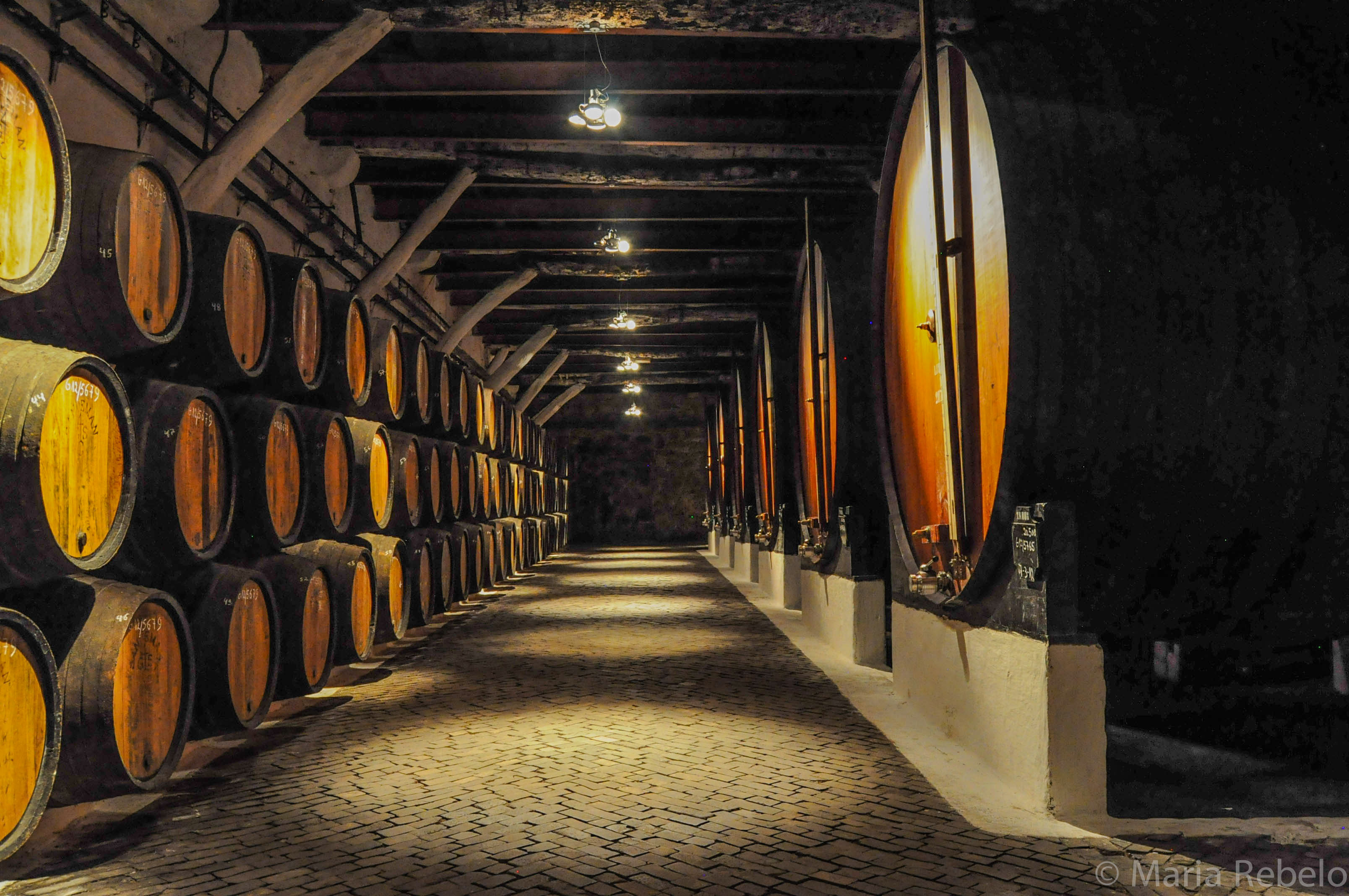
If you keep a list of ideas for fun activities, we would like to suggest a new entry: visiting a port-wine cellar.

Port wine is made in the Douro region where Summers can be very hot. So, the wine is shipped to Vila Nova de Gaia, a town adjacent to Oporto, to be stored away from the heat. There, the wine is kept in dark, cool cellars until it trades the brashness of youth for the refinement that comes with maturity.

Most port-wine houses offer tours of their cellars. The tour guides teach you to distinguish between tawny, ruby, late-bottled vintage, and vintage port. They also regale you with interesting stories and facts about port-wine production. You’ll learn, for example, that the “share of the angels” is the fraction of the wine stored that is lost to evaporation. At the end of the tour you are invited to a port-wine tasting, so you’ll also get a share of this precious nectar.

Sandman’s and Taylor’s are two of the most popular cellars to visit. Click here and here for information about their tours.     
A toast test

Blog_149F

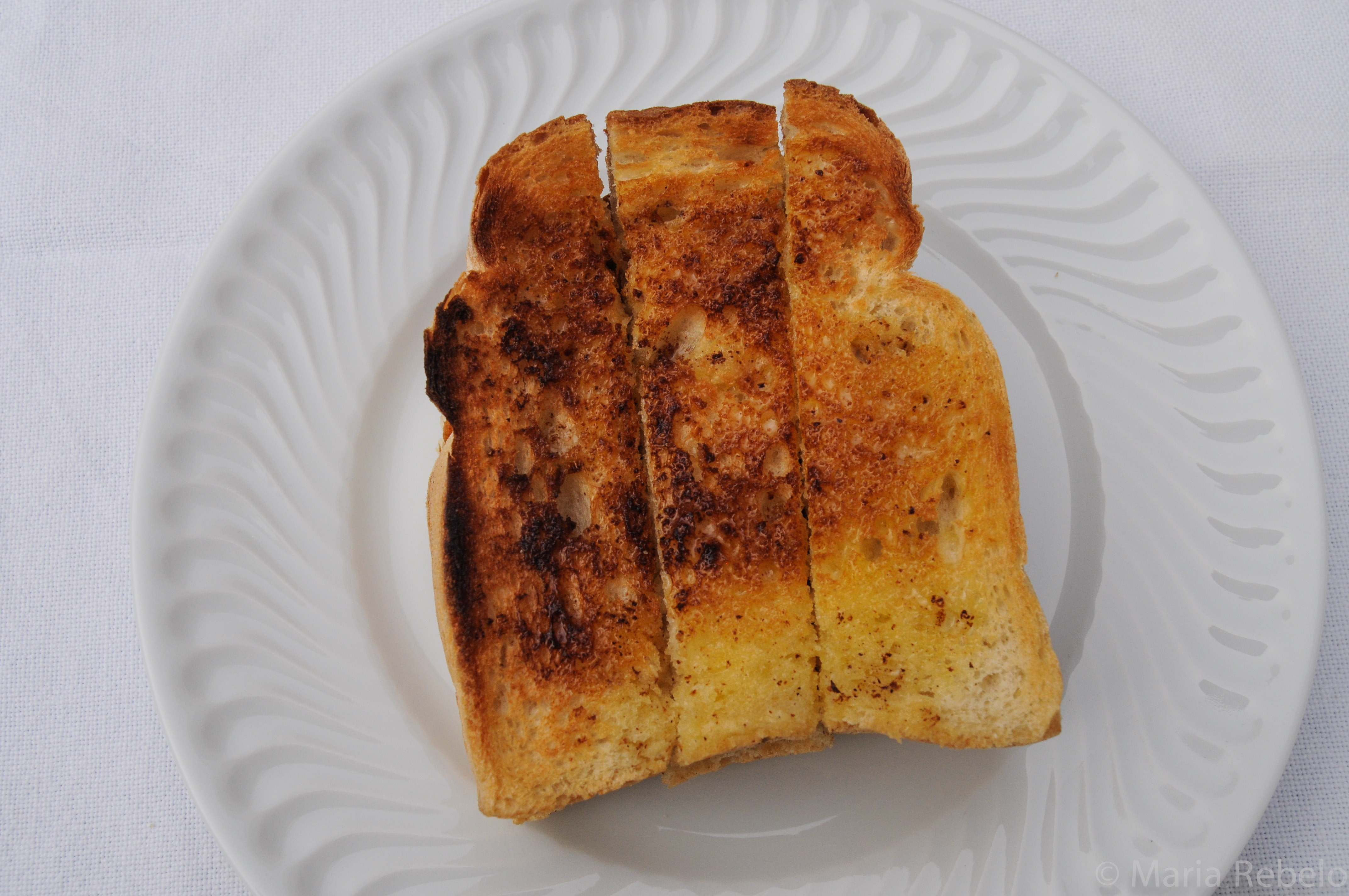
One of Portugal’s simple pleasures is to sit in an esplanade drinking coffee and eating a “torrada” (toorrahdah). Torradas are buttered toasts made from “pão de forma,” a bread with a soft texture perfect to absorb melted butter.

Each torrada has two bread slices and each slice is cut into three neat rectangular tranches. The best tranches are the middle ones, which have almost no crust. So, you have to decide: which tranche will you eat first?

Just so you know, there are three schools of thought on this topic. According to the first school, you should start with the two middle tranches, so you’ll enjoy them while they’re hot. The second school recommends that you leave the best for last and eat the prized middle tranches at the end. The third school, advises you to avoid difficult choices and ask for a “torrada aparada.” This torrada has no crust, so all the tranches look the same.

Torradas are a personality test in disguise: the Portuguese can read you like a book by the way you eat your toast.

Ancient tea

8-4 Tea

When Catherine of Braganza, a Portuguese princess, married Charles II of England in 1662, her fabulous dowry included the city of Bombay. But her most enduring gift to the British people was the habit of drinking tea. This drink, once reserved for Buddhist monks, was quickly adopted by the royal court. Later, tea houses became popular, serving as gathering places that helped disseminate the ideas of the age of enlightenment.

Most tea consumed around the world comes from large industrial plantations. One of the last surviving artisanal tea estates is Gorreana, in the island of S. Miguel in the Azores. Their tea plants were brought from China in 1874.  They pick, select, and dry the leaves by hand to produce wonderfully fragrant organic green and black tea.

If you’re seeking the inner peace of a buddhist monk, the wisdom of the age of enlightenment, or a unique gift for a friend, give this delicious tea a try.

You can order Gorreana tea from A Vida Portuguesa, an online store that sells many other great Portuguese products. Click here for their web site.

A diamond house

Casa dos Bicos

Casa dos Bicos is famous for its pyramid-stone facade. Brás de Albuquerque built the house in 1523 with the riches accumulated by his father, the Viceroy of India, Afonso de Albuquerque.

Like so many other homes, Casa dos Bicos was severely damaged by the earthquake that hit Lisbon on November 1, 1755. The house’s first two floors were restored after the quake, but the top two floors were rebuilt only in the 20th century.

In a poetic twist of fate, Casa dos Bicos became the headquarters of the José Saramago Foundation. Saramago received in 1998 the Literature Nobel prize for his brilliantly original novels. So, a house built with the spoils of imperial conquests is now devoted to celebrating a writer’s feats of imagination. Is the pen mightier than the sword?

Casa dos Bicos is on Rua dos Bacalhoeiros, near Terreiro do Paço. Click here for the José Saramago Foundation web site.

Mysterious Bussaco

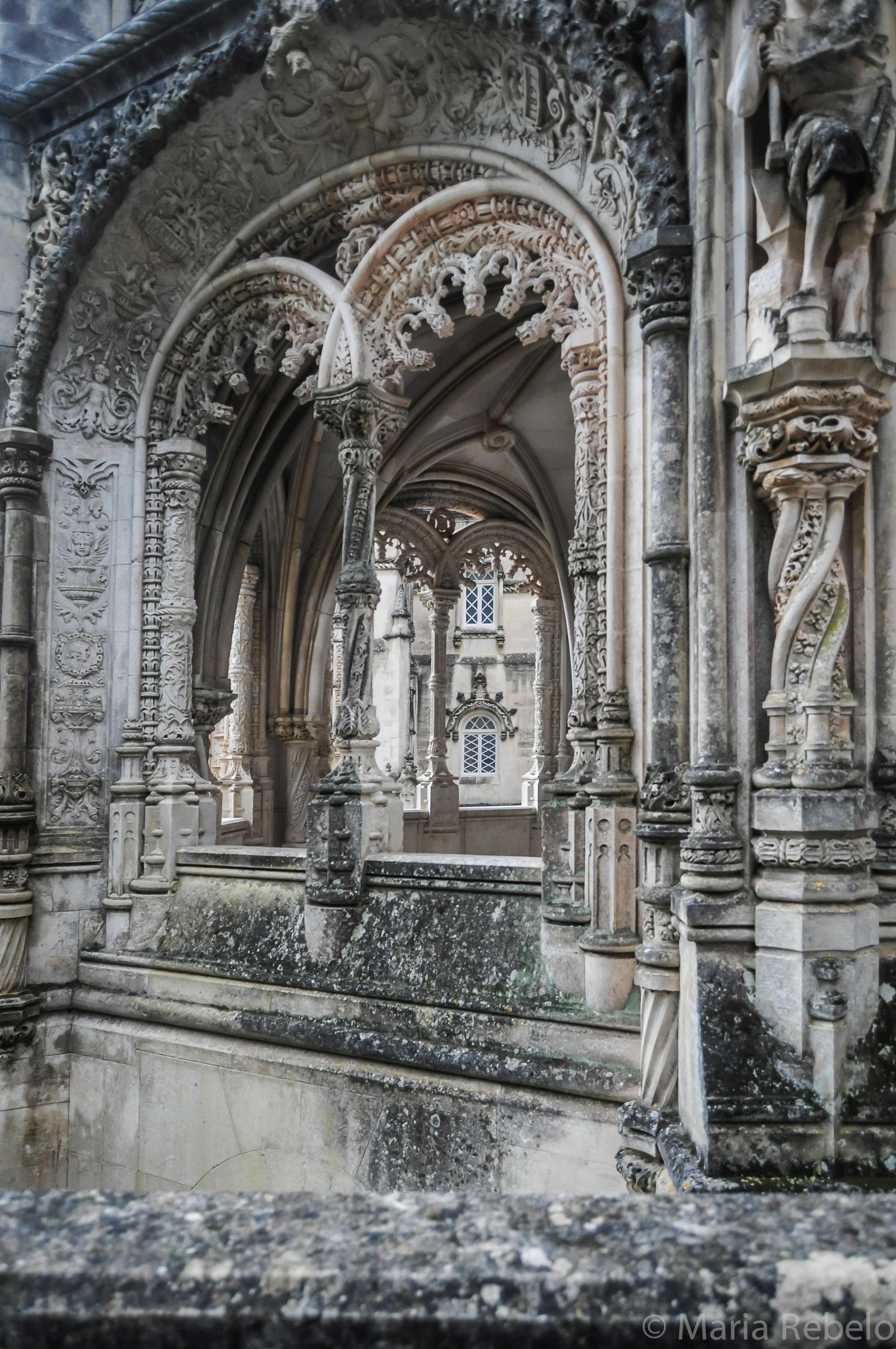
Bussaco-2-FAgatha Christie, the murder-mystery writer, was married to an archeologist (she joked that “an archeologist is the best husband any woman can have; the older she gets the more interested he is in her”). Her husband wanted to visit the Roman ruins at Conimbriga, so the couple spent some time in Portugal. They chose the Bussaco Palace Hotel as their base and stayed in room number 7.

The romantic surroundings must have appealed to the mystery writer. But the only crime committed in this luxury hotel was the occasional spilling of a few drops of precious Bussaco wine. And there was no need to call Hercule Poirot because it was obvious that the butler did it.

Click here, for the Bussaco Palace web site.

The tiniest shrimps are the tastiest

When it comes to shrimp, bigger is not better. The best shrimp in Portugal is tiny in size but large in flavor. It is caught just off the coast and brings in it the taste of the sea. We call it “camarão da nossa costa” (shrimp from our coast). Seating in a beachside café with a plate of these shrimps and a cold draft beer is one of the simply wonderful pleasures of life.

Jazz in Lisbon

Hot Club-Lisboa_787The Hot Club of Portugal is a famous gathering place for lovers of improvised music. The club, founded by Luiz Villas-Boas in 1948, has welcomed many renowned musicians, including Count Basie, Dexter Gordon, Max Roach, and Sarah Vaughan. The Hot continues to thrive, hosting regular performances by a new generation of jazz artists.

If you’re visiting Lisbon and you enjoy live jazz, head to the Hot Club and watch what happens.

The Hot Club is at Praça da Alegria, 48, Lisbon, tel: 213460305. Click here for the club’s web site.

In October, Peniche has it all

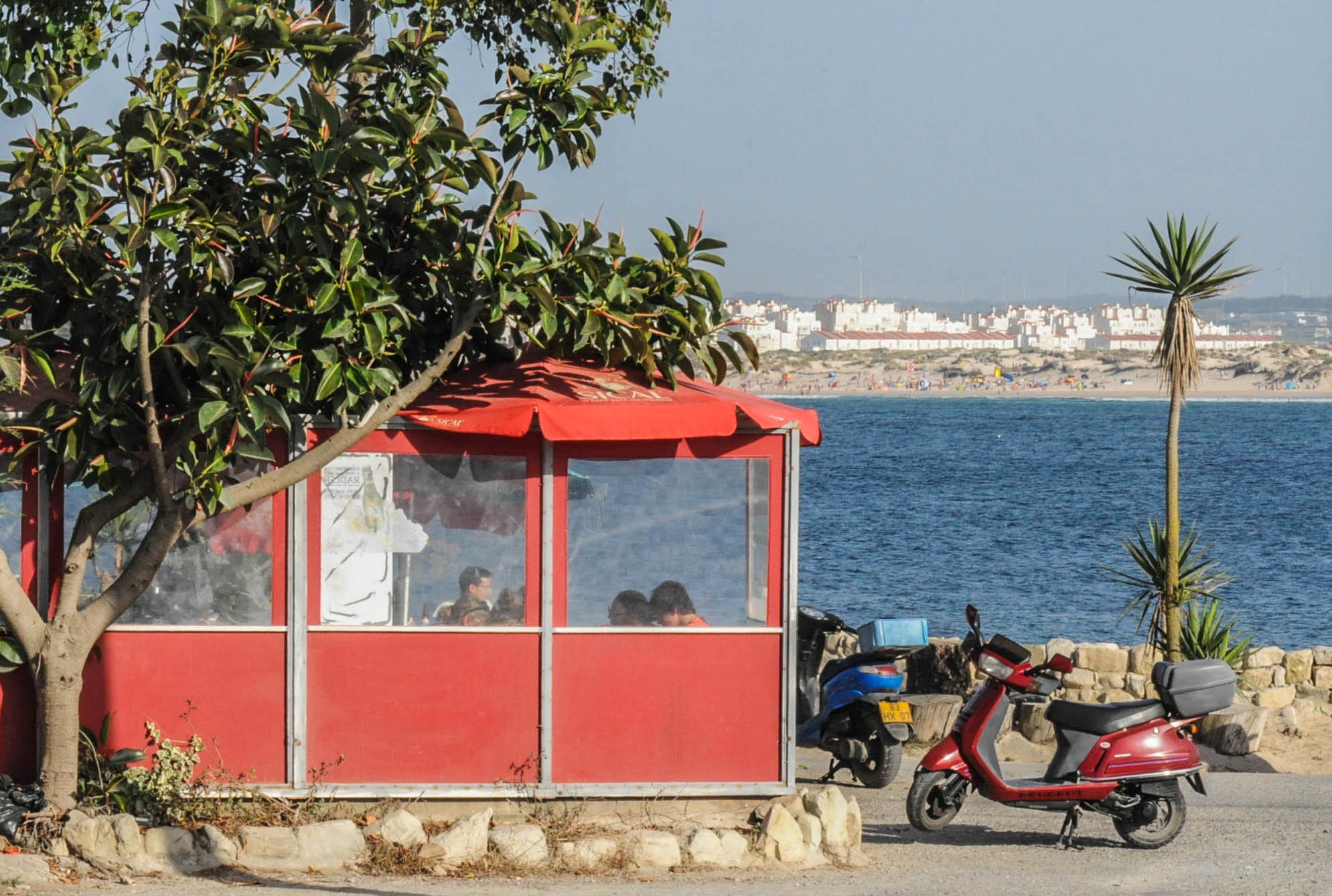
BardoQuebradoPenicheF

If you go to Peniche in the middle of October, you’ll find this normally sleepy village bustling with activity. The world’s best surfers gather here to compete in the Rip Curl Pro event at the famous Supertubos beach. Restaurants are full, television crews and photographers are everywhere.

If you want to stay away from the crowds, all you have to do is turn right at the entrance of the Peniche fort, on Rua da Boa Viagem, and walk to the Quebrado beach. There, you can seat in Bar do Quebrado, shown in the photo, enjoying a cold beer and a wonderful view.

With the excitement of the world surf championship and the quiet beauty of the seashore, no wonder Summer likes to spend Autumn in Peniche.

The fish formerly known as wood face

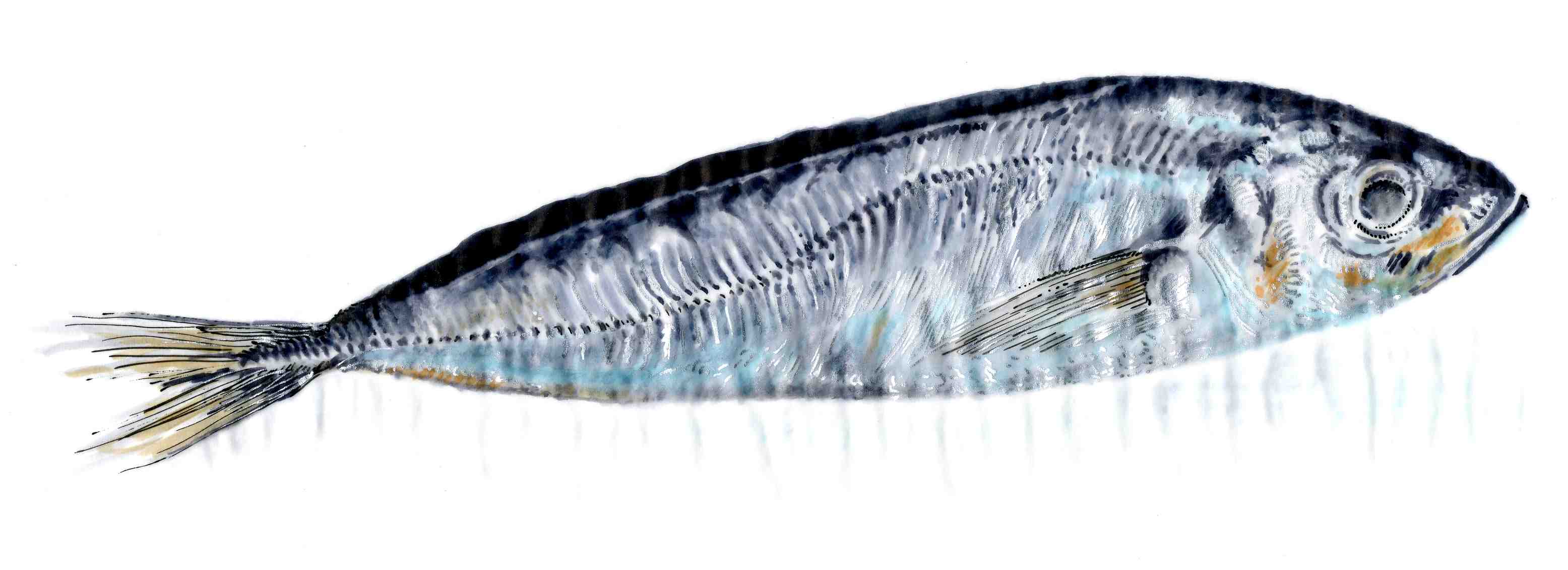
Carapau_RBD2
Carapau, Rui Barreiros Duarte, ink on paper, 2013.

The carapau is one of the most delicious fish in the Portuguese coast. Yet, it toils in obscurity while the Portuguese sardine basks in glory.  Why? First, there’s the name. Carapau means “wood face”; who wants to eat a fish called wood face? Second, grilled carapau is often served with Spanish sauce (“molho à espanhola”). How can a Portuguese fish shine drowning in a Spanish sauce?

We propose giving the carapau the recognition it deserves by changing its name to imperial sardine. This new identity will make carapau irresistible. Wouldn’t you prefer an imperial sardine to a regular one?

Please help us spread the word about carapau’s new name; tweet, facebook, text, call. Let’s make the wood face smile!