Belcanto’s philosophy

Belcanto2

Georg Friedrich Hegel described the evolution of human ideas as involving a thesis, followed by an antithesis, and then by a synthesis that reconciles the two. Believe it or not, these concepts are useful to explain the cuisine of Belcanto, a fantastic Lisbon restaurant owned by chef José Avillez.

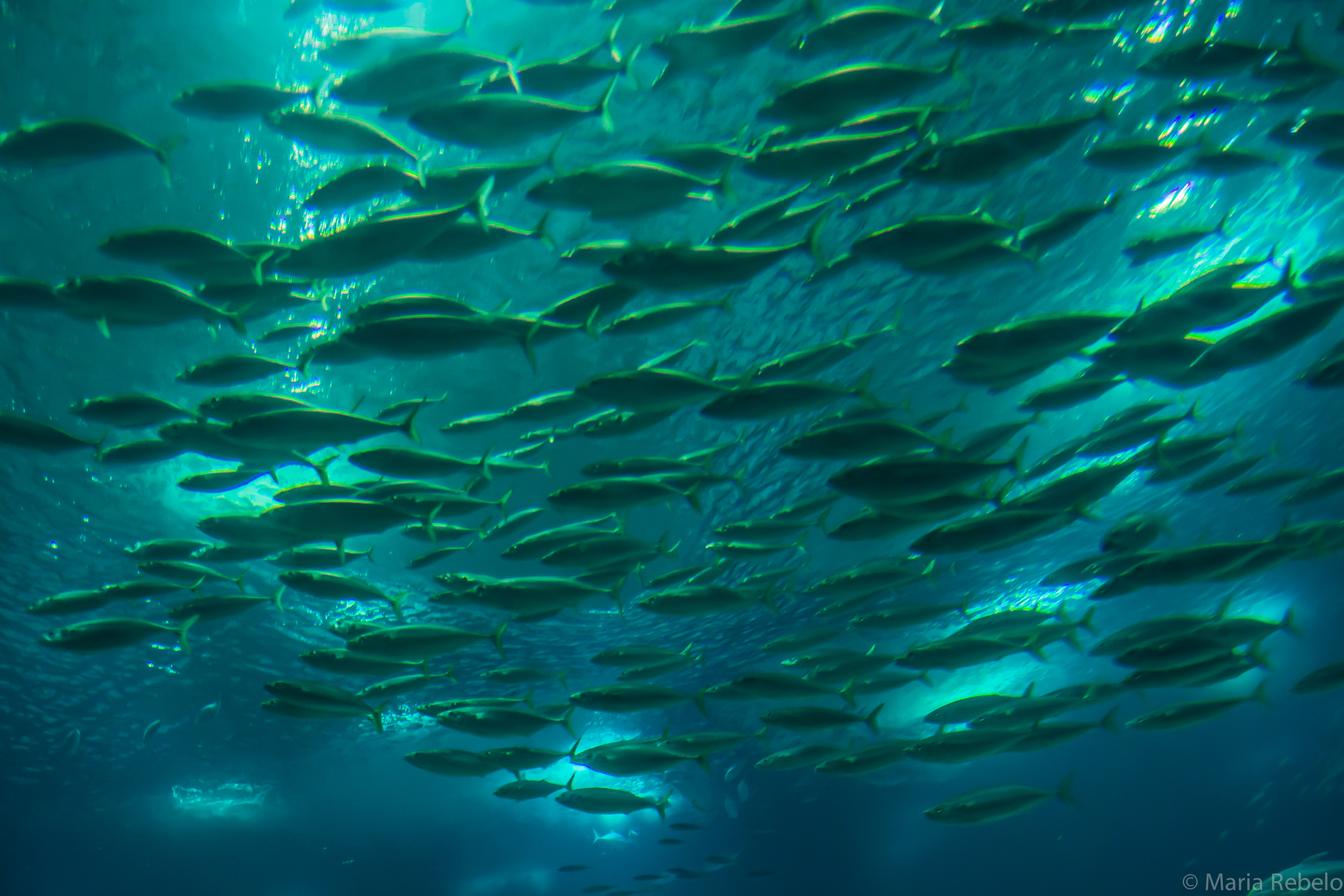
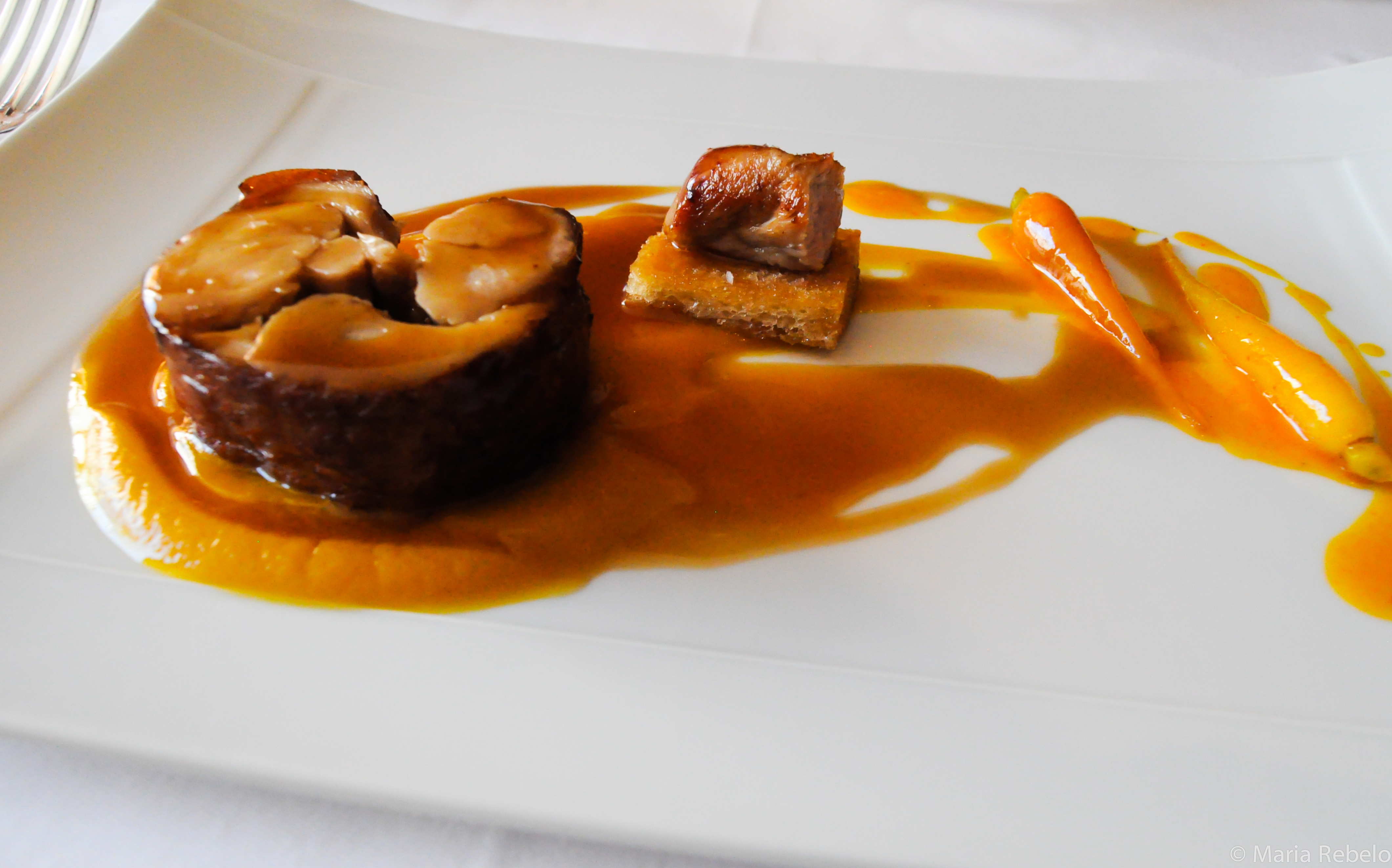
The modernist cuisine of restaurants like elBulli is the antithesis of traditional Portuguese cooking. Avillez combines the two in a delicious synthesis that is both familiar and surprising. He serves olives bursting with flavor, golden eggs, seafood immersed in the smell of the sea, manta rays transformed into Pollock paintings.

The Michelin inspectors were so impressed with Avillez’s culinary dialectic that they awarded Belcanto a star. We suspect Hegel would agree.

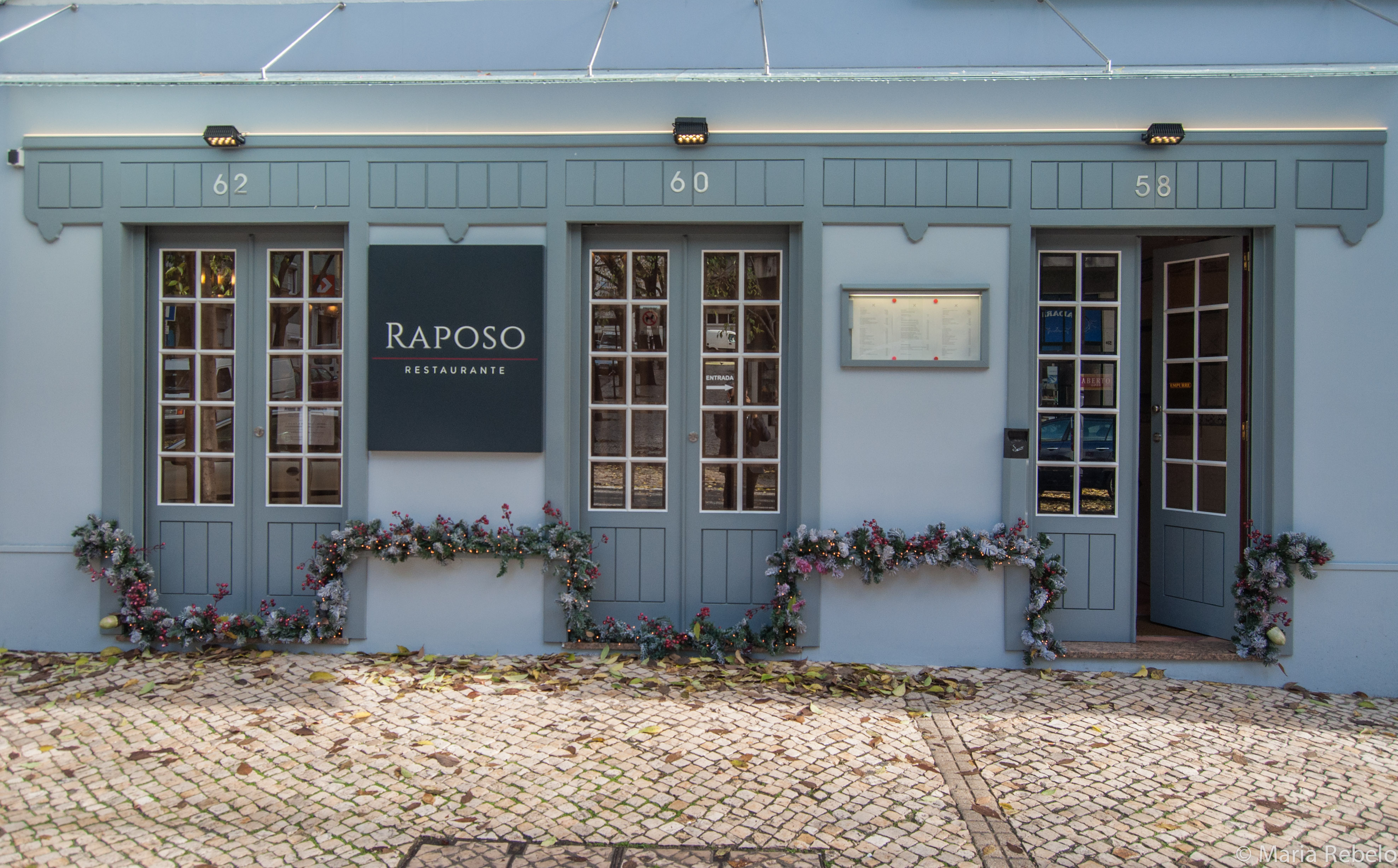
Belcanto is located at Largo do São Carlos in Lisbon, tel. 21-342-0607.

A window over Lisbon

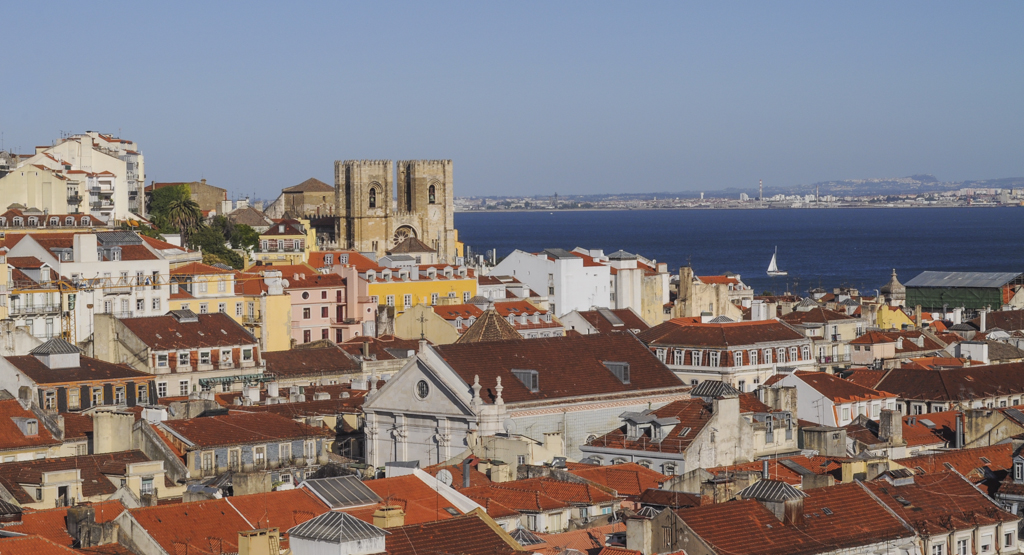
WindowLisbonIt’s very easy to have fun in Lisbon. But, to have an unforgettable vacation, you have to make this city your own. All it takes is a little effort: choose a window and write a story about it. Suddenly, Lisbon will be more than just another tourist destination. It will become your city, a place where you have a window.

The photo shows our window. Our story is about a couple that can live anywhere in the world, for their talents are many. He and she came to Lisbon for a short stay and rented this apartment in the Campo d’Ourique neighborhood.

One late afternoon, they were enjoying the view of the Tagus river, when he said: I think we should move to Lisbon; this place should be our home. She smiled tenderly at his impractical idea. Then, she noticed that his eyes had the same color as the Tagus river. And, from that day on, she called him river.

She began to notice the same blue color everywhere, in the ancient tiles, in the hydrangeas sold by florists, in the old pottery on the windows of antique shops. And she began to wonder. Isn’t blue the color of heaven? Can you keep a river from flowing to the sea?

In the footsteps of the angels

Porto-Fixed_135F

If you keep a list of ideas for fun activities, we would like to suggest a new entry: visiting a port-wine cellar.

Port wine is made in the Douro region where Summers can be very hot. So, the wine is shipped to Vila Nova de Gaia, a town adjacent to Oporto, to be stored away from the heat. There, the wine is kept in dark, cool cellars until it trades the brashness of youth for the refinement that comes with maturity.

Most port-wine houses offer tours of their cellars. The tour guides teach you to distinguish between tawny, ruby, late-bottled vintage, and vintage port. They also regale you with interesting stories and facts about port-wine production. You’ll learn, for example, that the “share of the angels” is the fraction of the wine stored that is lost to evaporation. At the end of the tour you are invited to a port-wine tasting, so you’ll also get a share of this precious nectar.

Sandman’s and Taylor’s are two of the most popular cellars to visit. Click here and here for information about their tours.     

Ancient tea

8-4 Tea

When Catherine of Braganza, a Portuguese princess, married Charles II of England in 1662, her fabulous dowry included the city of Bombay. But her most enduring gift to the British people was the habit of drinking tea. This drink, once reserved for Buddhist monks, was quickly adopted by the royal court. Later, tea houses became popular, serving as gathering places that helped disseminate the ideas of the age of enlightenment.

Most tea consumed around the world comes from large industrial plantations. One of the last surviving artisanal tea estates is Gorreana, in the island of S. Miguel in the Azores. Their tea plants were brought from China in 1874.  They pick, select, and dry the leaves by hand to produce wonderfully fragrant organic green and black tea.

If you’re seeking the inner peace of a buddhist monk, the wisdom of the age of enlightenment, or a unique gift for a friend, give this delicious tea a try.

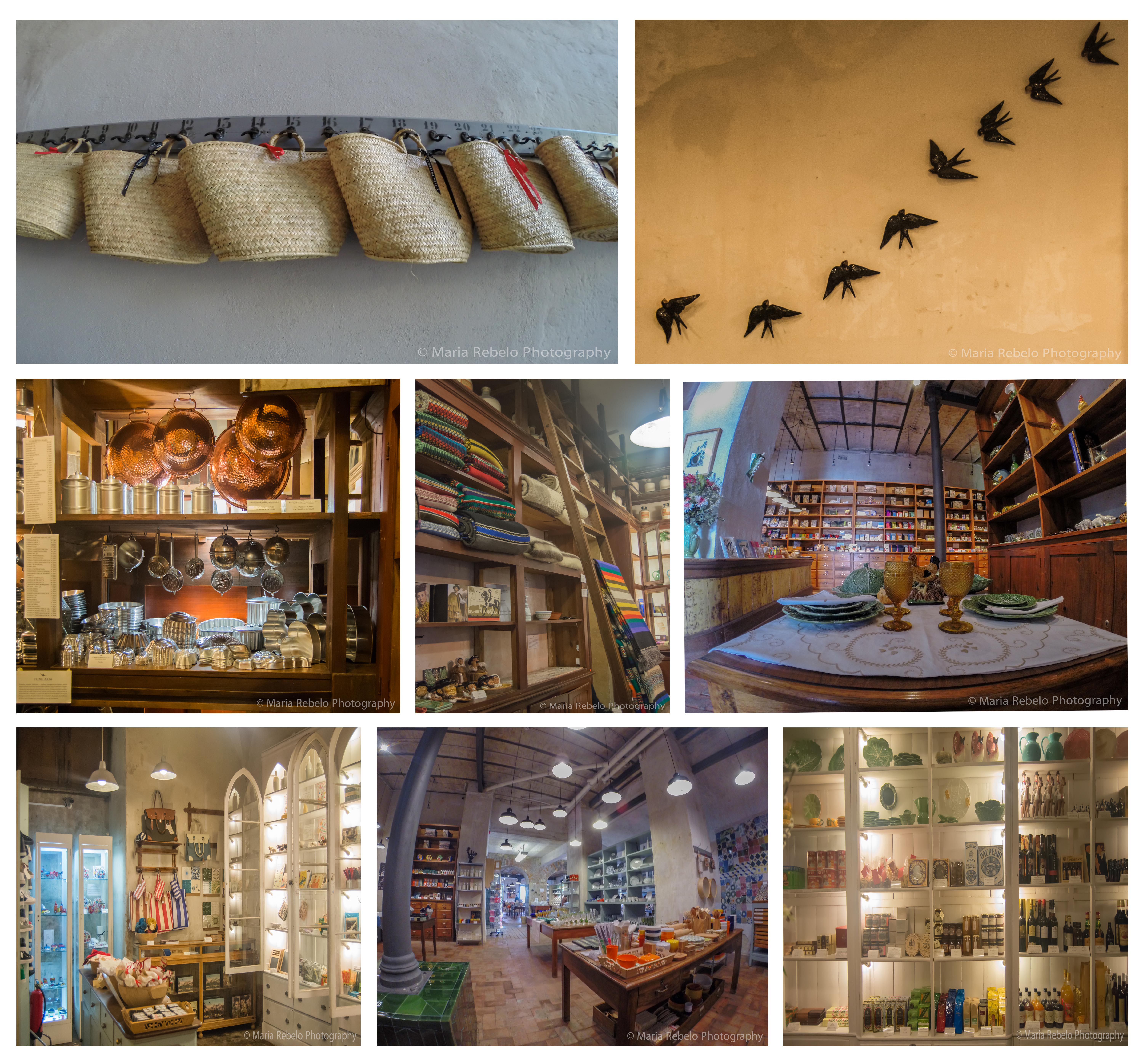
You can order Gorreana tea from A Vida Portuguesa, an online store that sells many other great Portuguese products. Click here for their web site.

A diamond house

Casa dos Bicos

Casa dos Bicos is famous for its pyramid-stone facade. Brás de Albuquerque built the house in 1523 with the riches accumulated by his father, the Viceroy of India, Afonso de Albuquerque.

Like so many other homes, Casa dos Bicos was severely damaged by the earthquake that hit Lisbon on November 1, 1755. The house’s first two floors were restored after the quake, but the top two floors were rebuilt only in the 20th century.

In a poetic twist of fate, Casa dos Bicos became the headquarters of the José Saramago Foundation. Saramago received in 1998 the Literature Nobel prize for his brilliantly original novels. So, a house built with the spoils of imperial conquests is now devoted to celebrating a writer’s feats of imagination. Is the pen mightier than the sword?

Casa dos Bicos is on Rua dos Bacalhoeiros, near Terreiro do Paço. Click here for the José Saramago Foundation web site.

Jazz in Lisbon

Hot Club-Lisboa_787The Hot Club of Portugal is a famous gathering place for lovers of improvised music. The club, founded by Luiz Villas-Boas in 1948, has welcomed many renowned musicians, including Count Basie, Dexter Gordon, Max Roach, and Sarah Vaughan. The Hot continues to thrive, hosting regular performances by a new generation of jazz artists.

If you’re visiting Lisbon and you enjoy live jazz, head to the Hot Club and watch what happens.

The Hot Club is at Praça da Alegria, 48, Lisbon, tel: 213460305. Click here for the club’s web site.

A famous beach house

CasaBranca

One of the most famous beach houses in Portugal is Casa Branca (white house) in the village of Azenhas do Mar. Architect Raul Lino designed it in 1920 to be his Summer home. Lino had to choose between building within the village perimeter to gain access to electricity and running water, or to forego these modern comforts and place the house on a cliff with an incredible ocean view. For him, the choice was obvious.

Raul Lino is famous for synthesizing the vernacular traditions that go back to Roman times to create the archetypal Portuguese house. The Casa Branca is based on this archetype, but Lino made two surprising choices. Instead of using the traditional green color for the windows, he chose bright orange. Then, he painted the orange roof tiles white, thus accentuating the orange of the windows.

Orange is the complementary of blue and so the windows of Casa Branca became the complement of the sea. It’s as if, to be beautiful, the sea needs someone admiring it from the window.

The place to ask

AzenhasMar2

On the steps of the stairs that lead to the lookout point at Azenhas do Mar, gently inscribed in white chalk, are the words: “eu vou casar contigo” (I’m going to marry you).

Was this promise well received? Did they exchange wedding vows and live happily ever after? We’ll never know. What we do know is that Azenhas do Mar is a perfect place for a marriage proposal.

A village by the sea

AzenhadoMar

The French use the expression “village perché” to describe a village on top of a hill, overlooking the surrounding landscape.  One of the prettiest village perchés in Portugal is Azenhas do Mar. Built on a cliff in the Colares region near Sintra, it has amazing views of the Atlantic ocean.

If you rent a house in Azenhas do Mar, you can spend the day listening to the waves and watching the sea try different shades of blue and green. It’s a very fine use of time.

Romantic lakes

Lagoa 7 cidades

Azores, a Portuguese archipelago, is a place of immense beauty. One example of the rare gifts that nature bestowed on Azores is the Lagoa das Sete Cidades (seven-cities lake) in the São Miguel island. It consists of a green and a blue lake located inside an ancient volcano.

According to a local legend, there was a princess with green eyes who fell in love with a shepherd with blue eyes. When the king did not approve their marriage, the princess and the shepherd cried and cried. Their love bore no fruit but their tears formed two adjacent lakes, one green and one blue.