The chalet of the Countess of Edla

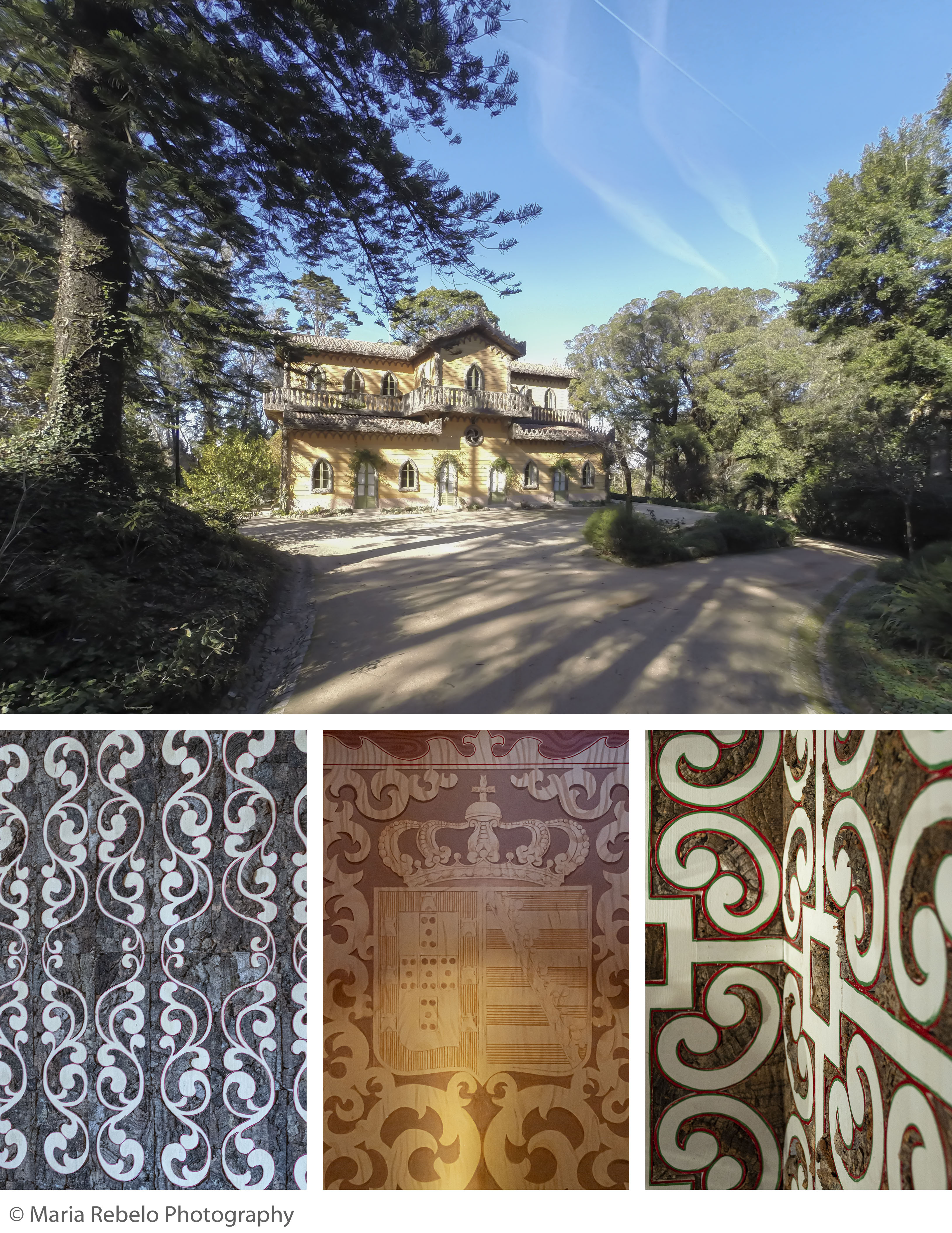
We stood outside the charming house hesitating. Should we go in? What gives us the right to see this royal love nest? But it was a cold, windy morning. With this feeble excuse, we stepped inside the cozy chalet where king Ferdinand II lived with his second wife, the opera singer Elise Hensler.

The king’s first wife was queen Dona Maria II. When they married, he was a dashing young man with an impressive mustache and a regal name: prince Ferdinand Georg August of Saxe-Coburg and Gotha. The couple enjoyed a blissful marriage. Together, they had 11 children.

Ferdinand avoided interfering in state affairs, devoting his time to various artistic interests. His most important project was planning and building the fairy-tale Pena Palace and turning the barren surroundings into the lush landscape we enjoy today. When the queen died of childbirth in 1853, Ferdinand was devastated. He was offered the throne of Spain but preferred to stay in Portugal, living in peace in his beloved Pena Palace.

A night out at the opera in 1860 changed his life. The king saw Elise Hensler on stage at the São Carlos Opera in Lisbon and fell in love. They started a passionate love affair that culminated with their marriage in 1869. Elise received the title of the Countess of Edla.

The prince and the countess built this lovely chalet on the grounds of the Pena palace. Inspired by alpine architecture, it is meticulously decorated with references to nature. Cork is used as both insulation and decoration. The exterior walls are painted to simulate wood.

The Pena and National Sintra palaces project power and wealth. At the chalet everything is intimate and private, the power of the state surrendered to the power of love.

Click here to book a visit to the chalet of the Countess of Edla.

A rested pudding

One of our favorite destinations in the Douro valley is a charming village called Ervedosa do Douro. Its main attraction is Toca da Raposa, a restaurant that prepares the traditional food served in local aristocratic homes. 

The ingredients are immaculate and the cooking is sublime. The preparations look deceptively simple, but they require knowledge of all the small details that make the difference between good and exceptional.

Dona Graça, a cook who worked for Douro families before opening Toca da Raposa with her children, has a large repertoire of recipes from the time when food was prepared in wood-fired ovens and cast-iron pans. We’ve been trying to convince her to collect these recipes in a cookbook. But codifying all her experience is a huge task and she has no time–the restaurant is always full.

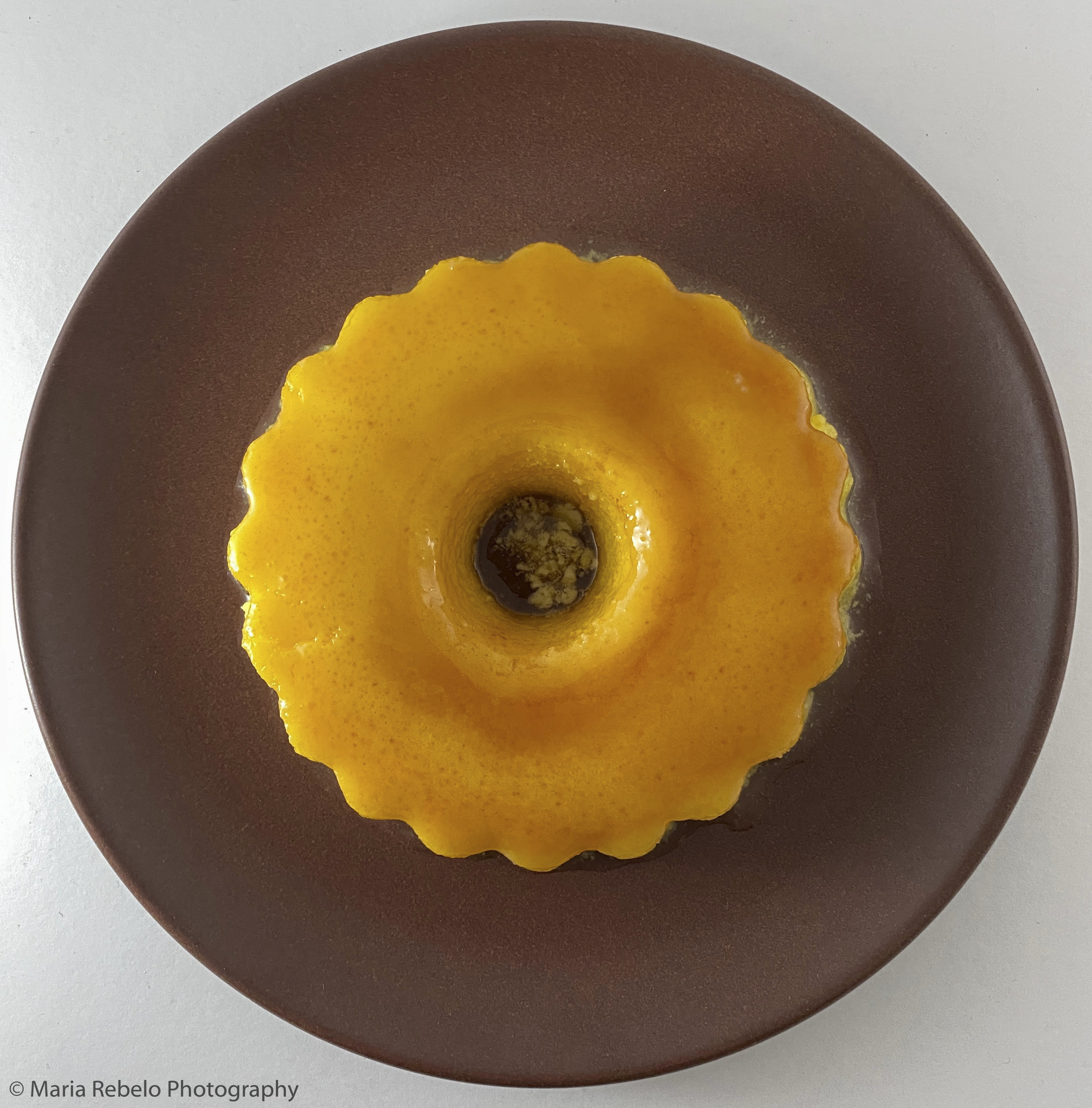
Recently, Dona Graça started writing down some recipes. She shared one of these recipes with us. It is called Pudim de Laranja Descansado (rested orange pudding) because it takes time to prepare. You should try it only when you’re not in a hurry. We hope this recipe is the first of many pages that preserve Dona Graças’s culinary artistry.

Rested Orange Pudding

Pudding ingredients

7 eggs

300 grams of sugar

250 ml of freshly squeezed orange juice

Port-wine caramel

150 grams of sugar

50 ml of port wine

Mix the pudding ingredients at night and let the mixture rest. Cook the pudding in the morning.

To prepare the mixture, combine the eggs and sugar in a mixer. Three seconds after you start the mixer at medium speed, slowly pour the orange juice into the mixture. Once all the juice has been added, keep the mixer on for an extra 30 seconds or so, until you see foam made from small bubbles. Stop the mixer and use a wooden spoon to the pudding ingredients with a movement from top to bottom until you no longer feel any sugar at the bottom of the bowl.

Once the mixture has rested, make the port-wine caramel and use it to coat the pudding mold. Pour the mixture into the mold and place the mold inside a pan filled with two fingers of water surrounding the pan. Cook on the stove on a small burner at medium heat for 40 minutes. Take it out of the mold and let it cool. Enjoy!

Toca da Raposa is located at Rua da Praça in Ervedosa do Douro, tel. 254 423 466.

Josefinas

“Pede dextro,” advised the Romans. In Ancient Rome, you could curry favor with the gods by entering a house or a temple with the right foot. 

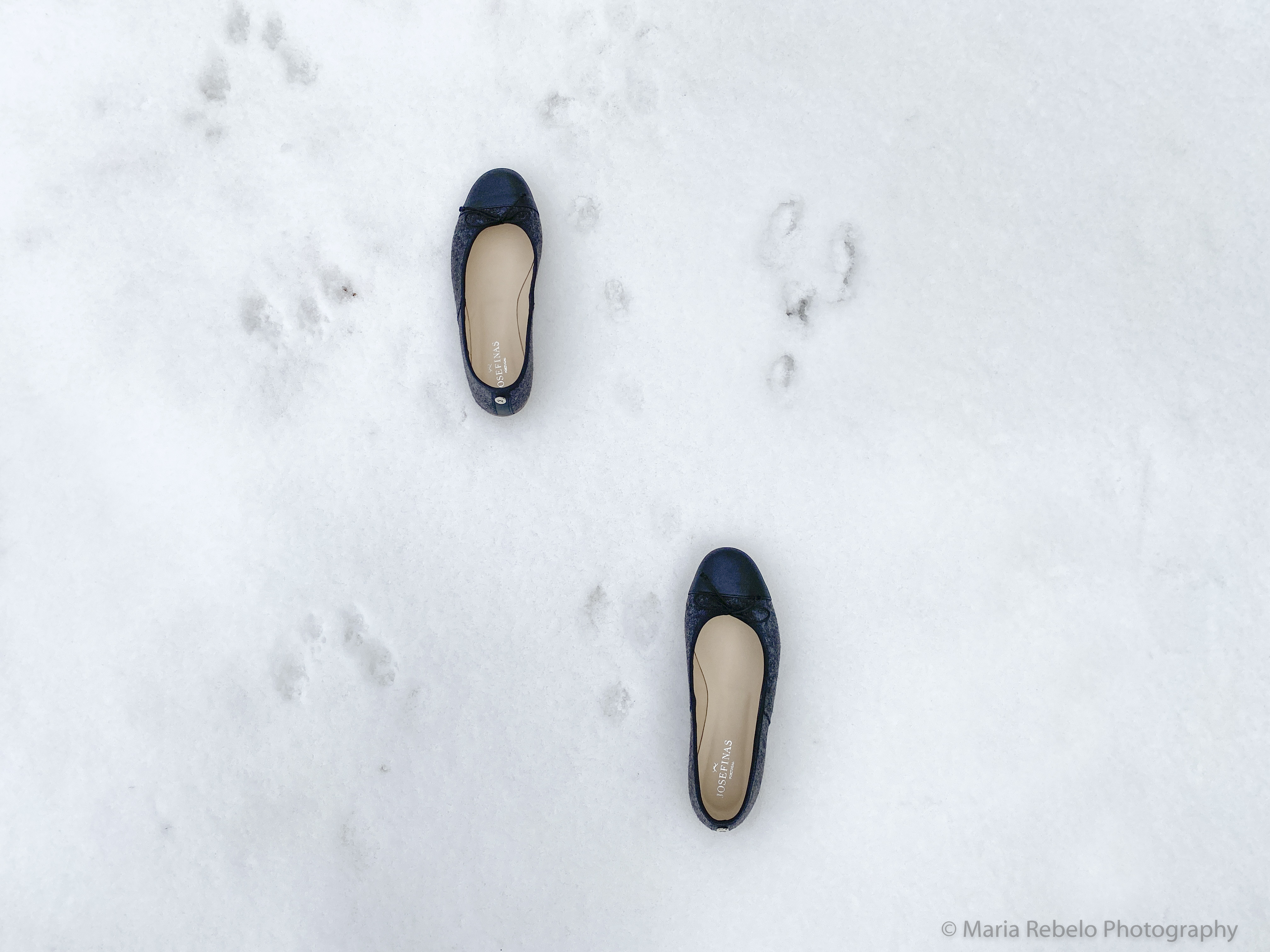
The importance of putting the best foot forward was not lost on architect Filipa Júlio. In 2013, she created a luxury line of footwear called Josefinas inspired by the shoes worn by classical ballerinas. Each shoe is handcrafted with exquisite materials by talented Portuguese artisans. 

The company strives to make the experience of receiving and wearing their shoes unforgettable. Each pair arrives with a handwritten message by the team that produced it. A “chief officer of customer delight” dreams up festive packaging, customizations, and surprise deliveries.

In a world where elegance is often associated with uncomfortable high heels, Josefinas combine grace with comfort. As these flat shoes gained cult status among fashionistas, the company felt external pressure to adopt industrial production processes that would support fast growth. But Josefinas’ managers resisted. They reinforced their commitment to unhurried, meticulous manufacturing methods. They cultivated their brand ethos: shoes designed by women for women. And they used some of the fruits of the brand’s success to support women-rights causes. For all these reasons, we’re certain that Roman goddesses favor Josefinas. 

Click here for Josefina’s website and here for their Instagram page.

Guided by the stars

In the early 16th century, Lisbon was one of the world’s richest cities. A constant stream of caravels departed to far-away destinations like India and Brazil. Some of these ships perished tragically on the high seas. The ones that returned brought their hulls crammed with gold, silver, and spices. 

During the day, sailors relied on the sun to measure their latitude. At night, they were guided by the stars. Skilled pilots pointed sextants at the sky to estimate the ship’s position and evaluate its course. On the last night of the year, we too look at the stars for guidance on where we are and what lies ahead. We hope they can point us all to a blissful, healthy New Year that brings us back to Portugal.

Blessed times

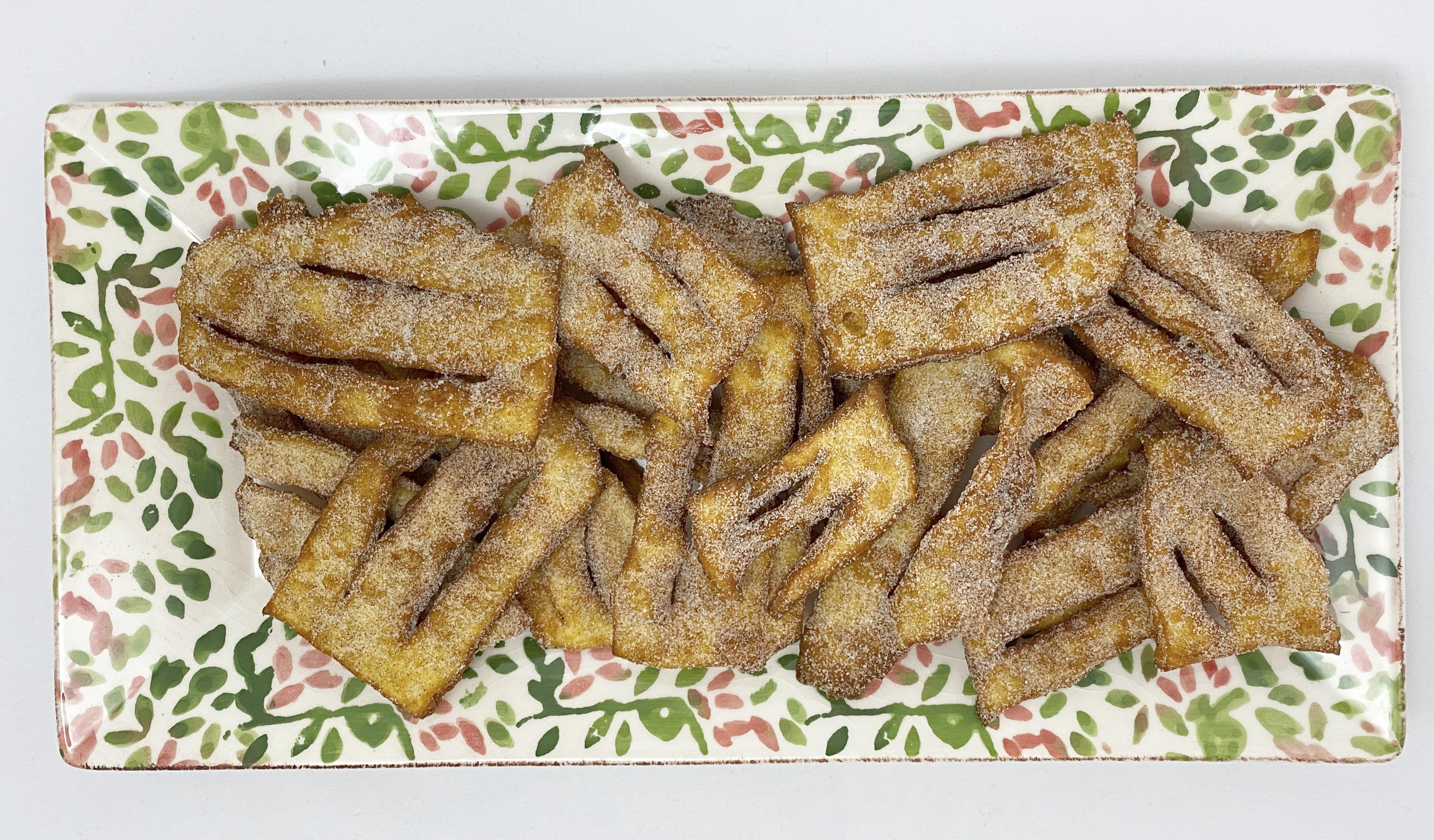
Blessed are the times when we argue about trivialities, because they are happy times. On Christmas day, there is often a heated debate about which is the best Christmas dessert. The holiday table is crowded with sweet candidates, recipes that wait all year in the pages of timeworn cookbooks for a few moments of fame. Sugar, cinnamon and a little port wine transform humble ingredients like bread, eggs, and pumpkin into culinary feasts. There are rabanadas, a Portuguese version of French toast, “filhóses de abóbora,” fried pumpkin cakes, “coscorões,” fried dough shaped like angel wings, “sonhos,” crispy, airy spheres, and many more. 

Why don’t we enjoy these desserts all year round? Because they only taste great when the table is full of friends and family members who gather to celebrate the holiday, enjoy each other’s company, and debate which is the best Christmas dessert.

Vitor Claro’s handcrafted wines

Sometimes, we dream of having lunch at chef Vitor Claro’s restaurant in Paço de Arcos, near Lisbon. It is a place with a generous view of the ocean where the chef cooks with a lightness that surprises and delights. The menu offers codfish brandade with fresh tomatoes, partridge soup with foie gras, cauliflower with parmesan, sole in chickpea broth, shrimp ravioli with mushrooms, fried dough with chickpea puree, and much more.

Then, we wake up and remember that the restaurant is closed. A feeling of disappointment is followed by the joyful realization that Vitor Claro is now a wine maker and we have some of his bottles in our cellar!

Vitor was not a wine aficionado before meeting Dirk Niepoort, the legendary producer from the Douro Valley. The first time Vitor went for dinner at Dirk’s house, he found a glass of 1986 Chateaux Margaux waiting for him. This glass of wine opened the door to a new life. 

In 2010, while working in Alentejo, Victor fell in love with the wines from Portalegre. He managed to rent an old vineyard in this region to make wine with a friend who is an enologist. But one month before the harvest, his friend abandoned the project. Vitor called Dirk Niepoort to ask for help. Dirk told him “this is the best that could have happened to you.” Then, like a Zen master, Dirk said: “let the grapes do the work.” Vitor harvested the grapes, put them in barrels, crushed them gently and waited. 

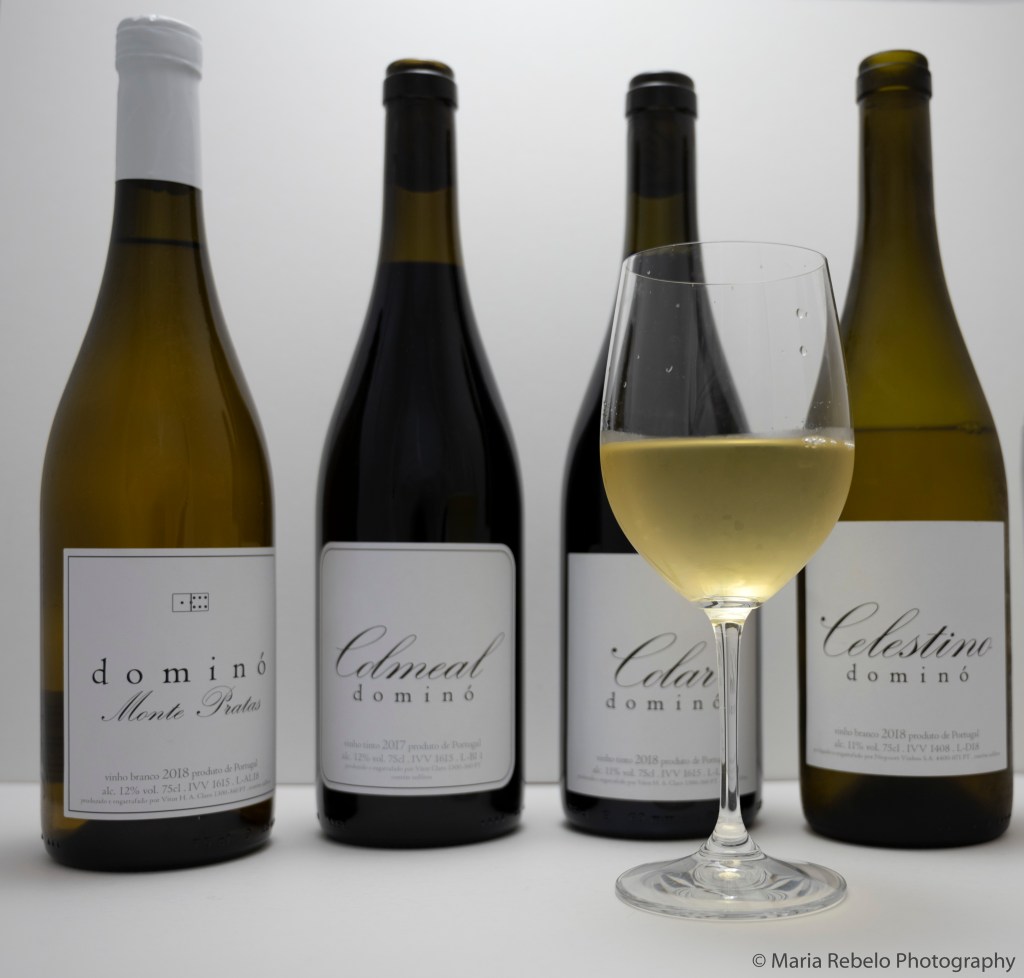
Two years later, he bottled the wine under the label Dominó. It was such a success that Vitor decided to close the restaurant to devote himself full time to wine making. He convinced his wife Rita to leave her architecture practice to work with him. The couple embraced a simple life style, sharing the toil and joy of winemaking. They do all the work themselves with the help of some seasonal workers. 

Today, Vitor’s wines are handcrafted using grapes from old vines rented in different parts of Portugal from Beira Interior to Carcavelos. Total production is only 20,000 bottles per year. When the wine does not appeal to Vitor’s refined senses, he does not bottle it. 

The lightness that Victor pursued in his cooking became the hallmark of his wines. They have bright flavors that interest the palate but never over power it. Instead, they surprise and delight.

The Douro historical train

Our journey begins with the clatter of a steam engine pulling five rickety wooden carriages into the Régua train station. Trains like this one have trod on the steel tracks that connect Régua to Pinhão since 1879. In 1883, the line was extended all the way to Foz do Tua.

Once all passengers get on board, the chimney blows a cloud of black smoke and we see Régua recede in the distance. The train moves slowly and yet there is not enough time to take in all that there is to admire, from the myriad colors of the river to the wondrous vine terraces sculpted into the mountain sides. 

A group of folk musicians walks through the carriages singing traditional tunes accompanied by accordion, triangle, “cavaquinho” (a small stringed instrument), and a drum made out of goat skin and wood. The musicians’ faces are weathered by a lifetime of work in the fields. But they sing with joy the tunes that lift the spirits of the laborers during the harvest. 

We arrive at the Tua station and the train stops for a well-deserved rest. As our journey resumes, we marvel at the feat of 19th-century engineering that allows the train to go back without turning around. The locomotive’s engine simply goes into reverse, pushing the carriages towards Régua. We travel on the same tracks as before, but the landscape looks different. The light has changed and the blues and greens are now mixed with yellows and oranges. 

The train crew serves us a glass of port wine and some traditional candy. We stop at the picturesque Pinhão train station to admire the 1937 tile panels that depict in blue hues the inimitable colors of the Douro landscape. Then, it is time to return to Régua. The locomotive screeches and puffs as it reaches the place where our journey ends.

It is a privilege to travel in this relic of the industrial revolution that saw the world change and the beauty of the Douro endure. 

Click here for more information about the Douro Historical Train. You can buy tickets online. The best seats are on the right side of the train since you can see the Douro valley from your window both on the way to Tua and on the return.

The incomparable wines from Colares

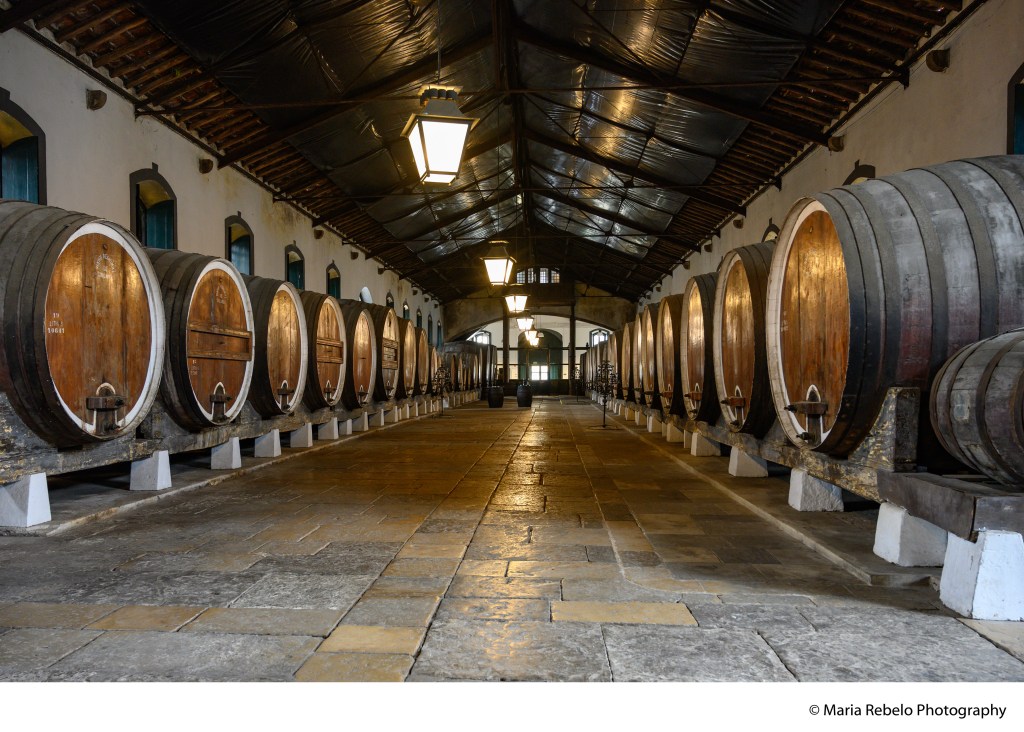
One of the coolest places you can find during the Portuguese Summer is the cellar of the wine cooperative of Colares, a bucolic town near Sintra. It is a place where large barrels fashioned out of exotic woods from Brazil rest, protected by thick walls that keep the temperature cool.  

The wines these barrels store are cool in attitude. They come from a unique “terroir” near the ocean where two varietals, Malvasia and Ramisco, grow on sandy soils. The roots of the vines have to stretch deep into the sand to find the moisture necessary to stay alive. 

All this toil paid off in the 19th century when phylloxera decimated European vines. Protected by sand, the vines of Colares escaped the bug’s voracity. 

These hard-working vines produce wines with exuberant tannins that need to be tamed. The reds age in barrels for almost a decade before bottling. Once bottled, both reds and whites continue to age beautifully, enjoying remarkable longevity.

Francisco Fezas, the resident enologist, told us that Adega Regional de Colares is the oldest wine cooperative in Portugal. The local wine makers got together in 1931 to buy the 19th-century cellar owned by a famous wine merchant, José Maria da Fonseca. In 1938, the government gave the cooperative the monopoly of production in order to guarantee the quality of the wine produced in Colares. The cooperative sold the wine to different distributors who bottled it under brands like Chitas, Adega Beira Mar and Viúva Gomes. 

In the 1960s, Colares had more than one million hectares of vines that produced more than one million liters of wine. Then, the vines were attacked by a foe more formidable than the phylloxera: urban sprawl. Many farmers succumbed to the temptation of selling their land to property developers who wanted to build houses near the ocean. As a result, the cultivation area dwindled to a paltry 23 hectares which produces a mere 18 thousand bottles, making Colares one of the world’s rarest historical wines. 

Francisco’s first harvest in Colares was in 1999, at a time when the cooperative was struggling financially and the future looked dim. Since then, there has been a remarkable renewal that preserves the future of the incomparable wines from Colares.

Adega Regional de Colares is located at Alameda Coronel Linhares de Lima, nº 32 in Colares, tel. 219 291 210, email geral@arcolares.com.. Click here for the adega’s website.

Making pasteis de nata

Do not try this recipe at home unless you’re desperate! Which is how we feel. Far from a purveyor of “pasteis de nata,” how else can we satiate our craving for these divine custard tarts?

We opened with trepidation “Cozinha Tradicional Portuguesa” (Portuguese Traditional Cooking), the imposing tome of vernacular recipes compiled by the legendary Maria de Lurdes Modesto. The old pages creaked, surprised to be turned with such urgency.

Modesto’s instructions assume we know what we’re doing. They’re more like jazz lead sheets than classical music scores. She tells us the key elements of the recipe and expects us to improvise the rest.

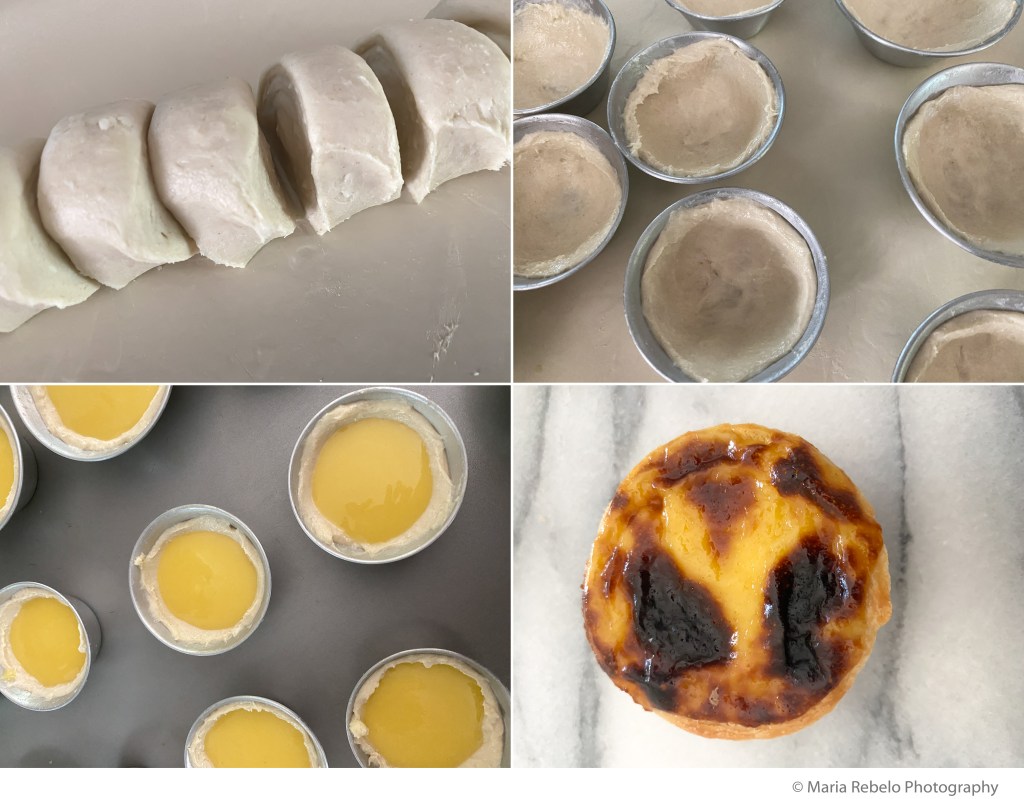
The ingredients are humble:  flour, butter, cream, eggs, sugar, water, and lemon. We started by making a version of rough puff pastry, folding the dough to create delicate layers of butter and flour.  After a few hours of work, we were rewarded with two dozen delicious pasteis de nata. 

All the effort that went into making these pastries made us appreciate Portugal even more. It is a place where it is ordinary to find the extraordinary: heavenly pasteis de nata sold for a modest price in every street corner. 

Here’s the recipe.

Ingredients for the puff pastry: 500 grams of flour, 500 grams of butter, 2 to 3 deciliters of water, and salt. 

Ingredients for the filling: 5 deciliters of cream, 8 egg yolks, 3 tablespoons of flour, 200 grams of sugar, and one lemon peel.

Melt the salt in warm water and divide the butter into three equal portions. Place the flour on a stone table and make a hole in the middle of the flour to pour the water. Kneed the mixture until it becomes homogeneous and let it rest for 20 minutes.

Next, stretch the dough into a square form.  Knead some of the butter until it has the same consistency as the dough. Spread one third of the butter over the dough, leaving a strip of one inch at the edges of the square. Fold the dough from bottom to top and from left to right, making sure that the fold fits perfectly at edges and on the sides. Stretch the dough again forming a square. Repeat the operation twice, first using the second third and then the last third of the butter.

Stretch the dough as thinly as possible. Cut it in stripes and fold into long rolls. Cut the rolls into pieces of 2 to 3 centimeters. Place the dough at the center of a small mold. Moist your thumb in water and spread the dough to the edges of the mold. 

To prepare the filling, mix all the ingredients and bring them to a boil. Remove from the heat and wait until the mixture cools down. Fill the molds with the cream. Place the molds in a very hot oven (250 to 300 degrees centigrade). Once the custards come out of the oven and cool, you can sprinkle them with icing sugar and cinnamon.

Armchair travel

Sunset Areia Branca

In the 1920s, the writer Raul Proença started editing a collection of Guides to Portugal. Published between 1924 and 1970, eight thick volumes compile texts from some of our country’s most eloquent writers. These erudite travel guides describe in detail the landscape, architecture, history, and culture of Portugal.

One of the essays by Raul Proença included in the first volume is about the Portuguese sky. Proença writes that “There are days with a splendorous light in which under a very clear sky all is golden: the earth, the trees, the waters, even the smiles of people and things are golden. It is a prodigious dazzle that cannot be described.  We are all but surprised at how a sapphire blue dome emanates such golden light.”

Most of the guides were published when traveling was arduous and expensive. So one of their purposes was to serve as a substitute for travel. If you could not visit the cities and villages these books describe, the evocative prose of Raul Proença and his collaborators would take you there.

In these days we’re spending at home, we can seat in an armchair, open the pages of these tattered tomes and travel to Portugal.