The third island

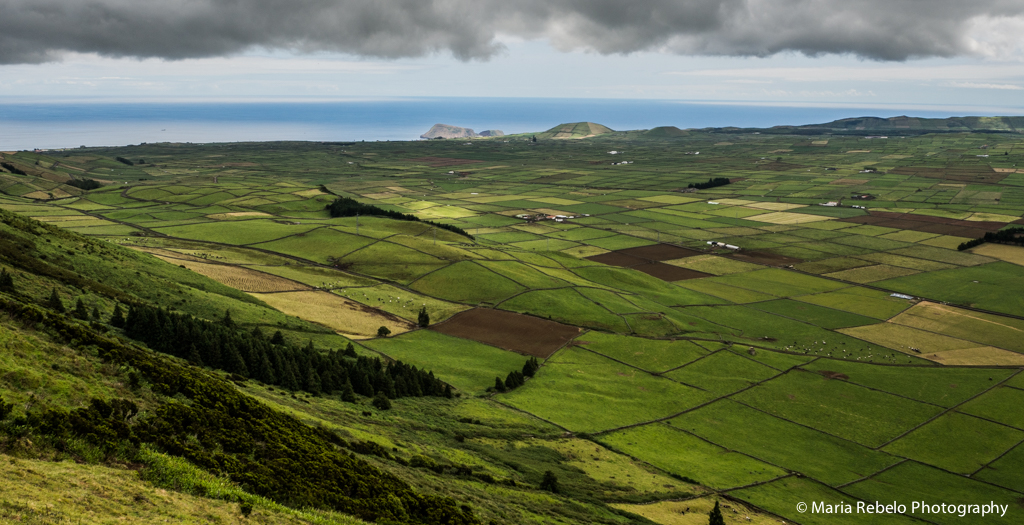
Açores 47 - cropedThis year we visited Terceira, an island in Azores. After Madeira and the Canary islands, Azores was the third group of islands discovered by Portuguese navigators. Initially, the Portuguese called the whole archipelago Terceiras (the Portuguese word for thirds), but later they renamed it Azores and reserved the name Terceira for the largest island.

Terceira is a perfect destination for a relaxing vacation. There are many beaches to enjoy and hiking trails to explore. Restaurants serve great food for modest prices. And the traditional architecture makes us feel as if we are in a time gone by, when life was simpler and time was not a luxury.

Vitorino Nemésio, a great poet from Terceira, wrote that here you are “at the very bosom and infinitude of the sea, like the medusas and the fish.”

The green valleys of Terceira compete with the beauty of the sea. For Nemésio, this competition is futile because “The islands are ephemeral and dispensable. Only the sea is eternal and essential.”

Our favorite tasca in Lisbon

Das FloresTascas are modest, inexpensive restaurants that offer a small, seasonal menu. They are often family affairs; the parents cook and the kids wait the tables. The quality of tascas is highly variable, some are good, a few are great, many are just passable.

When tascas become popular, they often have trouble coping with success, and their quality suffers. That is why people who find a great tasca usually like to keep it secret.

We’ll break with these social norms and tell you the name of our favorite tasca in Lisbon: Das Flores in Rua das Flores. This establishment is not to be confused with the more posh (and also very good) Taverna da Rua das Flores located on the same street.

You could write a dissertation about the eating habits of Lisbon residents by studying Das Flores’ menu. It includes items like poached grouper, grilled sole, codfish cakes with tomato rice, pork and clams Alentejo, and grilled lamb chops. All perfectly prepared with pristine ingredients. Many items on the menu cost less than 10 euros, which is why the small dining room is always crowded. The restaurant caters to its regular customers, so it can be difficult to get a table.

Das Flores is not a place for a romantic date. But it is a great choice if you want to experience traditional Portuguese food on a budget. Just don’t tell anyone else, ok?

Das Flores is located on Rua das Flores 76, Lisbon, tel. 21 342 8828. If you do go to Das Flores on a date, skip dessert and go to Landeau on the same street for chocolate cake. It will make the whole experience more glamorous.

Oh Porto!

O Porto, Rui Barreiros Duarte, ink on paper, 2015.

Portugal’s second largest city and the unofficial capital of the North is called Oporto. The city has an older feel than Lisbon. While much of Lisbon was destroyed by the 1755 earthquake, Oporto preserved its meandering medieval streets and ancient buildings.

Oporto is a place full of surprises. The city looks austere, but its granite architecture is just a ruse to make the gorgeous Douro river look even more seductive. Life in Oporto is hectic, but residents always take the time to give visitors a warm reception. There are plenty of restaurants that look ordinary but serve great food. And there are many hidden treasures in the port-wine caves that store, sometimes for centuries, the precious nectars from the Douro valley.

The Portuguese call the city Porto, while the English call it Oporto. There are two theories about this discrepancy. The most plausible is that the English, hearing the Portuguese say “o Porto” (which means “the city of Porto”), combined the article and the noun into Oporto. The most romantic is that the name came from visitors falling in love with the city and sighing “Oh Porto!” We side with the romantic theory.

Click here for a guide of where to stay and what to do in Oporto.

Peniche’s golden waves

OLYMPUS DIGITAL CAMERA

In 1786 a Spanish galleon, San Pedro de Alcantara, departed from Peru loaded with a fortune in silver and gold and a precious botanical collection of tropical specimens. The galleon also carried a famous passenger: Fernando Tupac Amaru, an inca whose father had started the most successful uprising against Spanish rule in Peru.

The ship’s captain used a French map that omitted the position of the Berlenga islands. This error had tragic consequences: on the night of February 2, 1786 San Pedro de Alcantara shipwrecked near Papoa, a small peninsula on the coast of Peniche. Almost everybody died but Tupac Amaru managed to swim ashore.

The Spaniards hired divers from all over Europe to come to Peniche help salvage the galleon’s treasures. They also succeeded in recapturing Tupac Amaru.

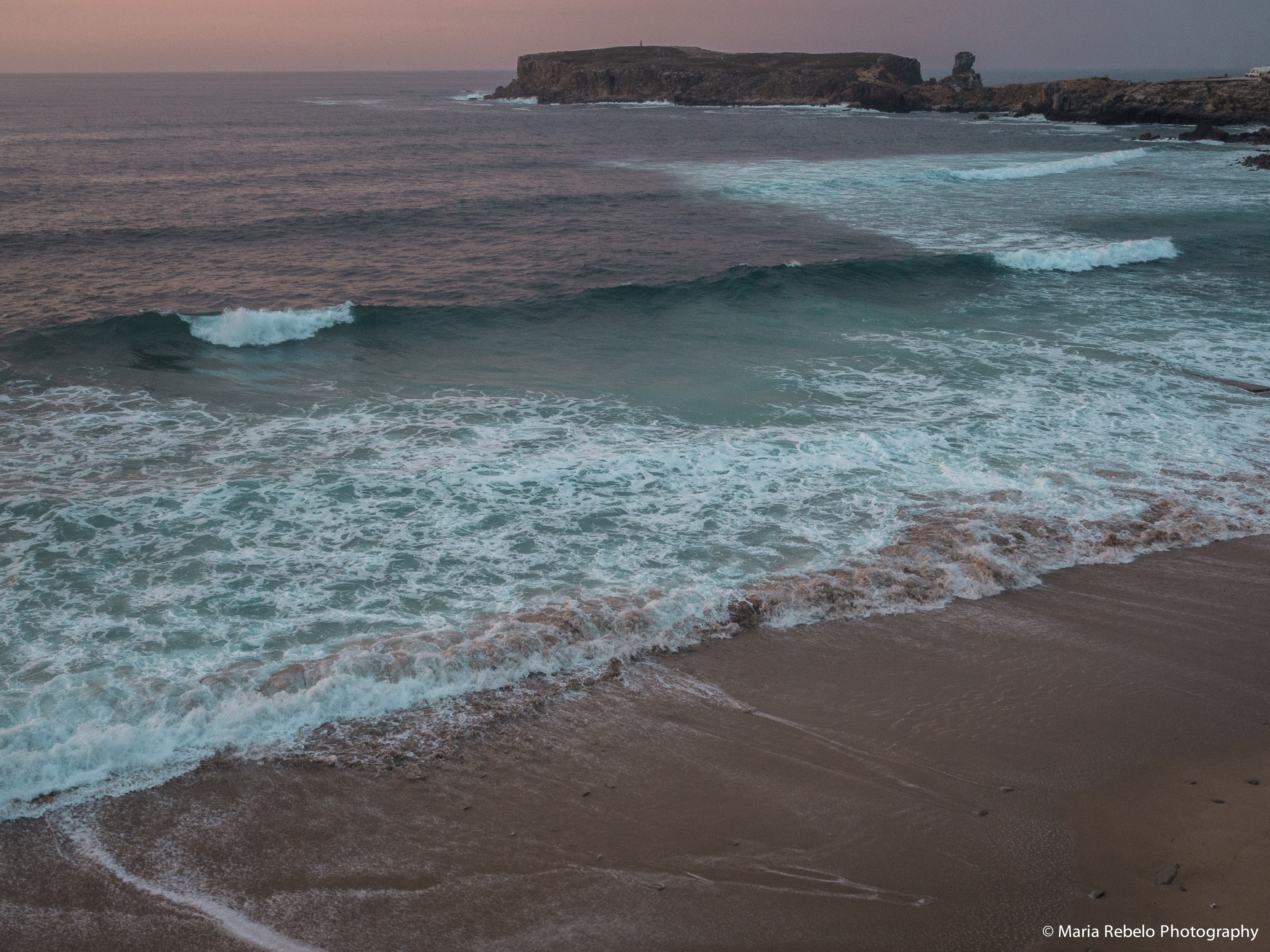
Today, Peniche’s perfect tubular waves attracts surfers from all over the world. How many of them know that beneath those waves once lied a fortune in silver and gold?

The past and future of Portuguese wine

AmphorasCrato

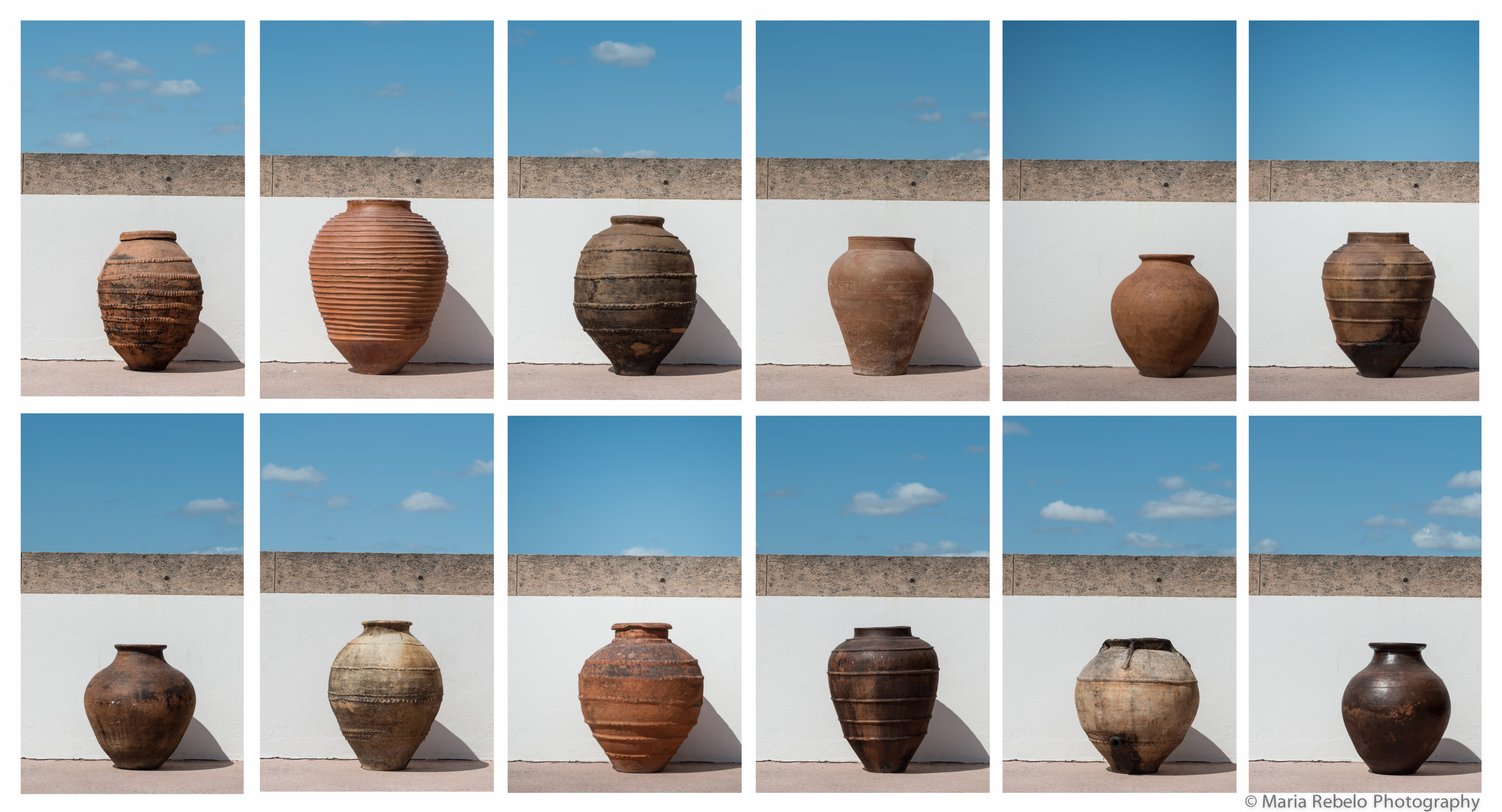
The Flor da Rosa Pousada in Crato has a beautiful collection of “talhas” (clay amphoras) made by potters in Alentejo.  The small amphoras were used to store olives or olive oil. The large ones were used to produce wine, a tradition that goes back to Roman times.

Several Portuguese wine makers are rediscovering the lost art of producing wine in amphoras. One of them is Dirk Niepoort, a great producer from the Douro region. We can’t wait to try these wines which bring the past into the future!

Click here for the Pousadas’ website and here for more photos of Flor da Rosa.

The Miramar beach

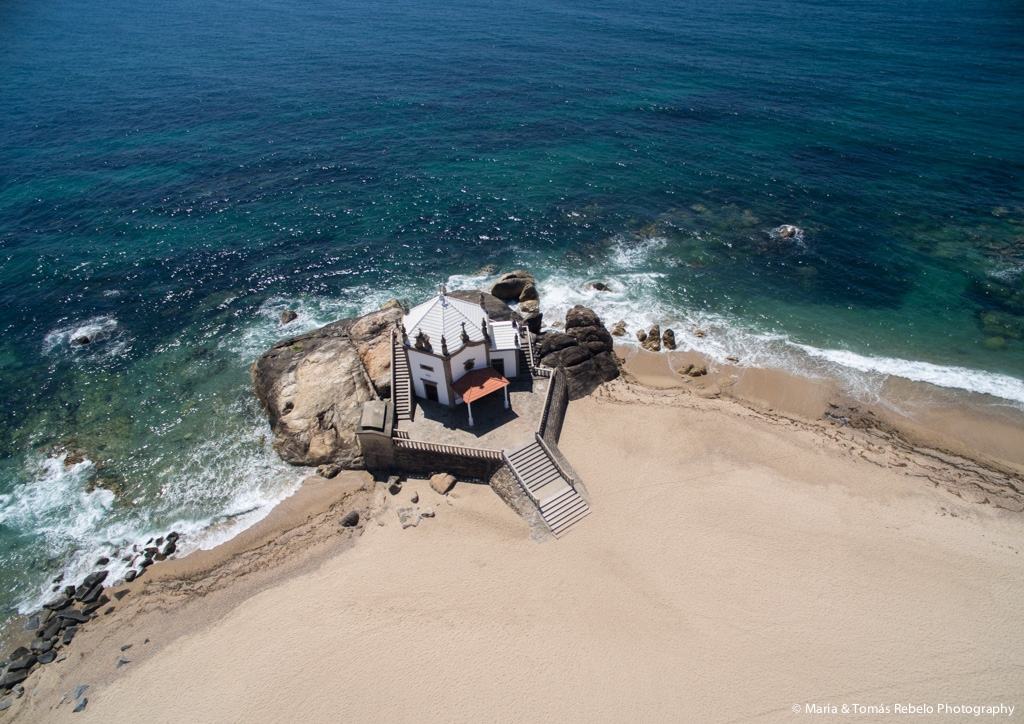
Igreja na praia-2One of the most beautiful beaches in Portugal is Miramar, near Oporto. It has a long stretch of sand bathed by green and blue water. But what makes this beach so special, is an old church built on rocks by the sea on the same place where there was once a pagan temple.

As we entered the church courtyard, we felt surrounded by the sea; dazzled by its sight, soothed by its sound, intoxicated by its scent.

It is easy to understand why this location has been a place of worship for centuries. Faced with such immense beauty, how can we not give thanks to its creator?

A pink palace in the Algarve

358 - Pousada de Estói - @mariarebelophotography.comFIt takes a long time to build a beautiful palace. An Algarve aristocrat started in 1840 to build the Estoi palace in an estate near Faro. When he died, his son took over. But by 1893, the building was still unfinished and seemed destined to become a decorative ruin. It was then that a wealthy landowner bought the palace and spent a fortune on its completion. The sumptuous inauguration took place in May 1909. Decades later, the palace was abandoned.

In 2009, a century after its inauguration, Estoi opened once again, this time as a luxury historical hotel. It is a place out of a fairytale, its opulent salons and elegant gardens restored to their original glory.

Our stay at Estoi was an extraordinary experience. Some days, we relaxed by the pool and spent time admiring the statues, fountains and myriad of architectural details. Other days, we went to the beach and enjoyed the pleasures of the sea even more than usual. For we knew that when the day was done, we would have our pink palace to return to.

The Estoi palace is part of a network of historical hotels called Pousadas. Click here for the Pousadas’ website and here to see a large collection of photos of the palace.

Europe’s most western vineyards

DCIM103GOPRO Baron Bodo Von Bruemmer, born in Tsarist Russia in 11/11/1911, made a fortune working as a banker in Switzerland. Then, at age 51, he was diagnosed with a terminal disease and told he had two years to live. He decided to look for a place where, after his passing, his wife could live without worrying about money.

Von Bruemmer came to Portugal and fell in love with the country. He bought Casal de Santa Maria, a farm in Colares near Sintra. There, he spent his days breeding Arabian horses and planting roses. The airs of Colares nursed the baron back to health and today, at 104 years of age, he continues to thrive.

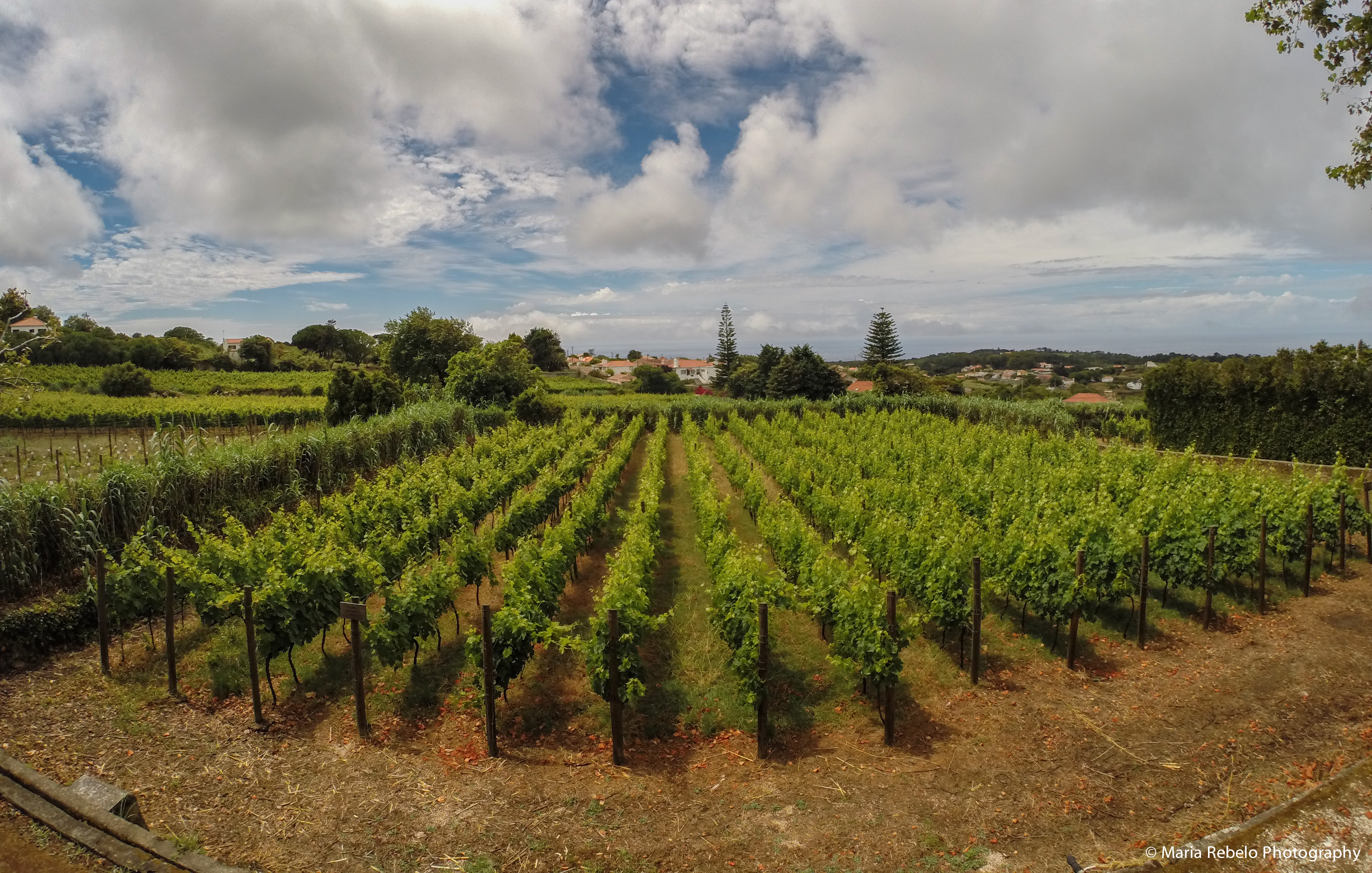
In 2007, shortly after his 96th birthday, Von Bruemmer felt the urge to plant a vineyard. He knew nothing about wine making, but was eager to learn. Since then, he has become a legend. With the help of a talented team of enologists, he planted the most western vineyard in continental Europe. Close to the sea, cooled by the Atlantic winds, its unique terroir produces amazing wines, salty, aromatic, and with great minerality.

The baron continues to plant new vines and supervise new projects. He makes his decisions using a small brass pendulum. If the pendulum rotates clockwise the answer is yes. Otherwise, it is no.

Every day, Von Bruemmer drinks a glass of champagne. But soon, he will drink instead the sparkling wine that, with the help of his pendulum, he decided to produce.

Casal de Santa Maria is a magical place, where vineyards surrounded by roses produce some the world’s most interesting wines.

Postscript: Baron Bodo Von Bruemmer passed away in November 2016 at 105 years of age. He set up a foundation so that Casal de Santa Maria can continue to produce the wines of a Russian Baron who fell in love with Portugal.

Casal de Santa Maria is located on Rua Principal Casas Novas, n. 18/20, Colares, tel 219-292-117, email geral@casalstamaria.pt.

Codfish poetry

Pastéis de BacalhauJune 10 is a holiday dedicated to the great 15th century poet Luis de Camões, whose epic poem Lusíadas helped forge the identity of Portugal as a nation.

One of Portugal’s most revered contemporary writers, António Lobo Antunes, said that “To know how to make codfish cakes is as important as to have read the Lusíadas.”

Lobo Antunes meant his words as a compliment to the genius of Camões. Try codfish cakes accompanied with tomato rice and a great glass of red wine and you’ll see that they are pure poetry!

Tasting Portuguese cheese

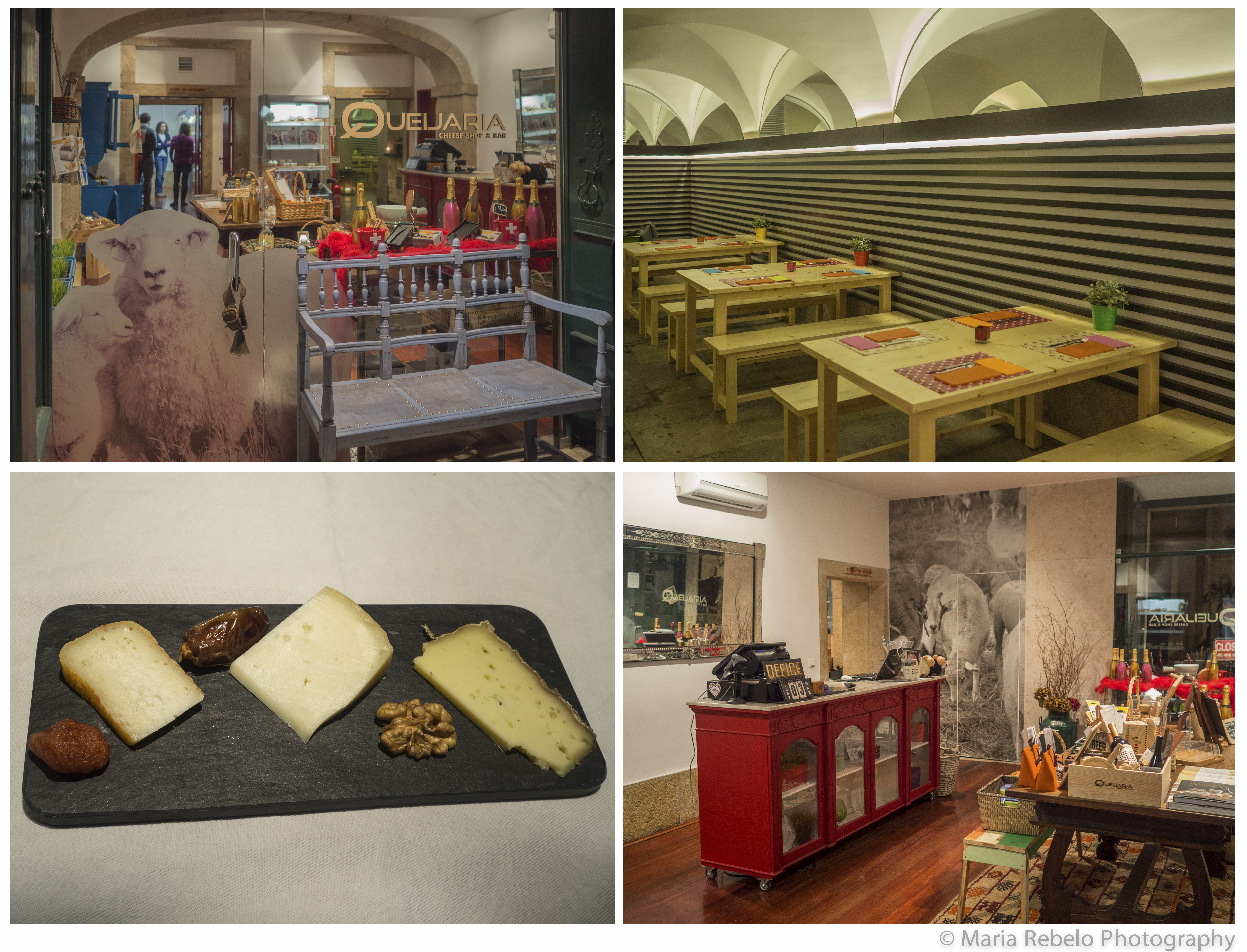
Queijaria Composit- ©mariarebelophotography.comPresident Charles de Gaulle asked how could people expect him to run a country with 246 kinds of cheese. Judged by this metric, Portugal is easier to govern than France. We have fewer cheese varieties. But there are still many regions, types of milk, producers, and styles.

Many interesting Portuguese cheeses are hard to find. They are made in small quantities by artisanal producers and sold in local markets. Queijaria, a new store in Lisbon, makes it easy to sample these local specialties.

The store is run by people who are passionate about cheese and wine, so they are uniquely qualified to serve as your guide. They prepare a degustacion of different cheeses, perfectly sequenced and paired with great wines. In one sitting, your palate can travel from North to South, to the island of Azores and back to continental Portugal. It’s a gastronomical journey you will not forget!

Queijaria is in the Principe Real neighborhood at Rua do Monte Olivete, 40, tel. 21 346 0474. Click here for their web site.