Time flies by when we’re having fun. It’s hard to believe that we started Salt of Portugal one decade ago!
It’s been a pleasure to travel from north to south in search of all that is glorious about Portugal. Thank you dear readers for sharing this journey with us. We hope your travels will bring you soon to this corner of the world. A place of castles and palaces, of mountains and valleys, of sand and sea. All bathed in warm light, all cooled by the breeze that carries the ocean’s salt, the salt of Portugal.
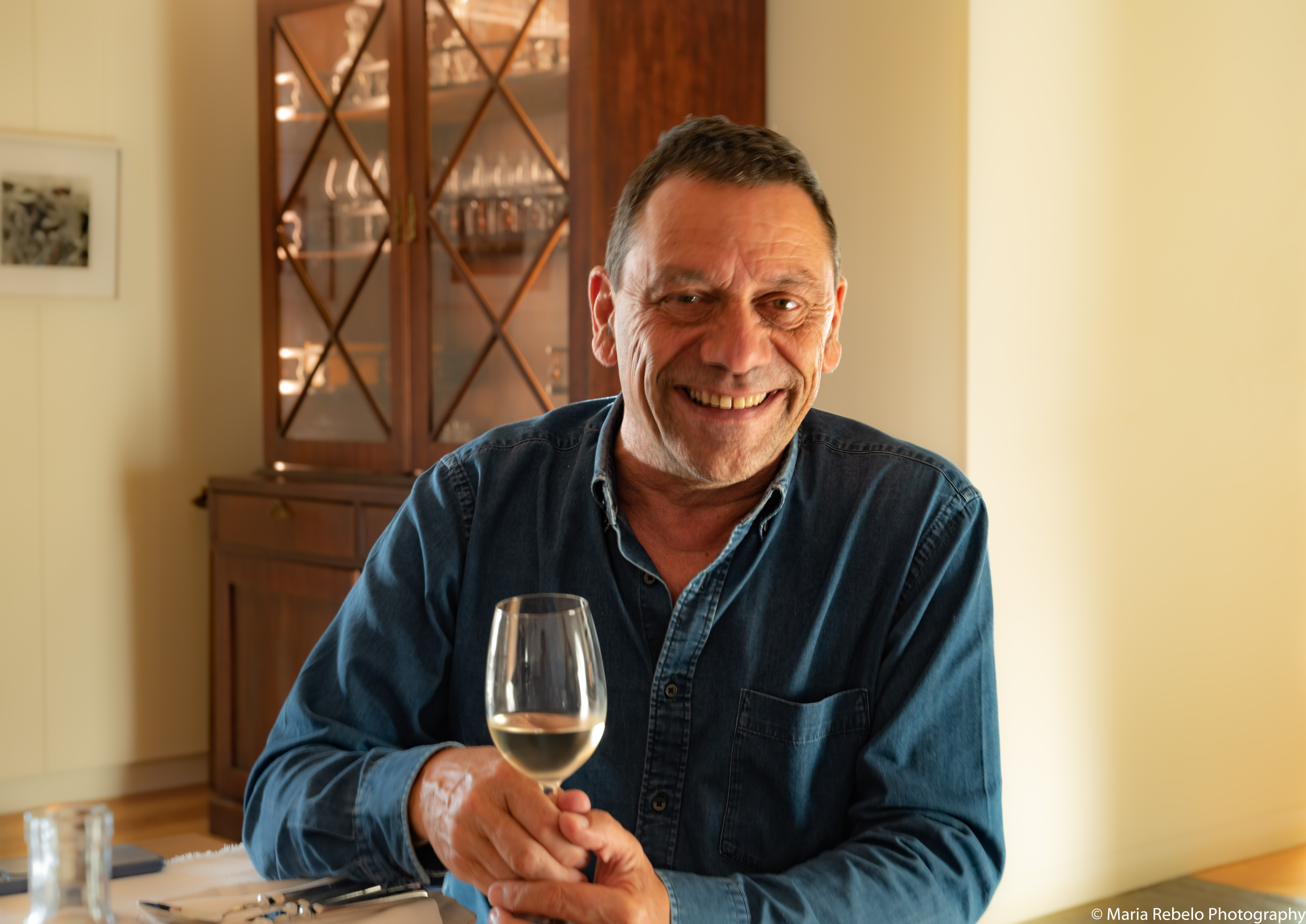
We have for years admired chef Miguel Castro e Silva from the distance. We dined at his restaurants, read his cookbooks, tried his recipes (his marinated sardine preparation is a staple at our table). So it was a great privilege to have dinner with him at Quinta de Ventozelo.
We met at Cantina, the restaurant that occupies the place where the old farm canteen used to be. Miguel arrived with a bottle of wine. “Do you want to try the wines I make at Ventozelo?” he asked as a way of introduction. Soon our glasses were filled with a white Viosinho from 2017 that is fresh and vibrant. It went perfectly with our first course, river fish “escabeche.”
We told Miguel how much we had enjoyed the food we had for lunch in the picturesque esplanade of Cantina: wild boar covilhetes (a version of the small pies popular in nearby Vila Real), a warm soup made with beets and apple, grilled octopus, and a peach tart that celebrated the natural sweetness of the peaches. We asked how does he manage to achieve such high standards in all his restaurants. Miguel told us that he inherited both his organization skills and creativity from his German mother. He writes meticulous recipes and coaches his cooks in their preparation until they meet his exacting standards.
Miguel started cooking professionally only at age 31. Born into a family of doctors in Porto, he was expected to study medicine. He studied biology in Germany but lost interest and became a musician. To earn a bit of money on the side, he started cooking. When he returned to Portugal, his friend Dirk Niepoort asked him to prepare food for his wine tastings. Dirk would describe the wines he planned to serve and Miguel had to come up with food that paired well with the wines. It was an experience that allowed him to perfect his cooking skills and learn a lot about wine.
This enological knowledge is evident in the next wine we tried, a remarkable white that combines Viosinho with a blend of red varietals. It was a perfect complement to our second starter: a sausage called “alheira” topped with a fried quail egg.
Miguel tells us that he is reviving and refining the cooking traditions of the Douro valley. Every Sunday, the cooks at Cantina prepare a roast in an oven fired with vine wood. The soup is made in old iron-cast pots on a large outdoor fire. All the ingredients come from the farm. The animals are naturally raised and everything from nose to tail is used in the kitchen.
Our main course, a suculent stewed rooster, was a perfect example of the refined, satisfying rustic food that Miguel is devising. It combined well with a delicate red wine aged in oak barrels previously used to make white wines.
Several fruit-based desserts arrived. Once again, we admired the sparse use of sugar that gives the fruits their chance to shine. As the dinner came to an end, we made a few toasts with some old Dalva tawnies.
But there was one more thing. Miguel ordered a pot of tea. Ventozelo produces a wonderful gin with the aromatics that grow on the farm. Miguel had the idea of making an herbal tea with the same aromatics: lavender, lemon thyme, Portuguese thyme, and globe amaranth. It makes a fragrant infusion that was the perfect ending to a perfect meal. Thanks to chef Miguel Castro e Silva the food at Cantina is as spectacular as the view.
Click here for the web site of Cantina, the restaurant at Quinta de Ventozelo and here for Miguel Castro e Silva’s website.
We first met Pedro Pena Bastos as the chef at Herdade do Esporão when he was only 25 years old. Sitting at a table overlooking the vineyards of this iconic Alentejo estate, we were taken on an unforgettable culinary journey.
We met Pedro again at Ceia, the elegant restaurant in João Rodrigues’ Santa Clara 1728 hotel. We remember sommelier Mário Marques welcoming us in the courtyard outside the restaurant with glasses of natural sparkling wine from Quinta da Serradinha. Sitting at a long wooden table with a small group of fellow culinary travelers, we experienced once again the wonders of Pedro’s cooking.
As soon as we landed in Lisbon, we made reservations for Pedro’s new restaurant, Cura, at the Four Seasons Ritz hotel. We arrived a few minutes early and knocked on the imposing glass and metal door that separates the restaurant from the hotel. The genial Mário Marques came to greet us and showed us around.
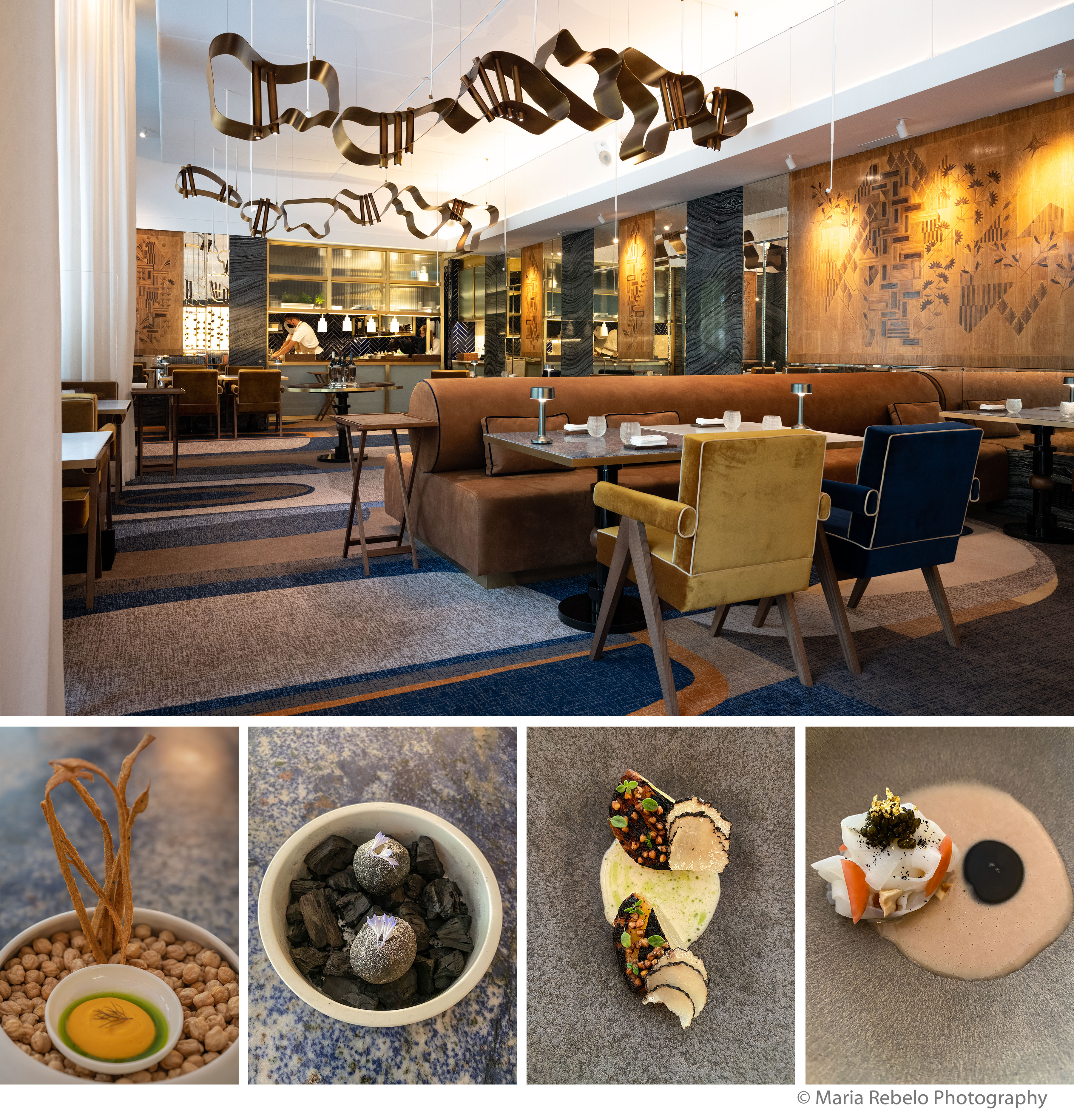
It is difficult to create a new space in the Four Seasons Ritz. Inaugurated in 1959, the building’s modernist geometry serves as the canvas for a stunning art collection that includes works by the great painter Almada Negreiros and many of his contemporaries. Cura’s dining room, decorated by architect Miguel Câncio Martins, integrates well the old and the new. A large metal sculpture hanging from the ceiling harmonizes with the wood panels designed by Fred Kradolfer, a brilliant Swiss graphic design artist who lived in Lisbon. The colorful chairs reference the playful use of color popular in the 1950s.
While we were chatting with Mário about wine, a plate arrived with long strips made from chickpeas and pumpkin sauce seasoned with marjoram oil. This simple start bears the hallmark of Pedro’s cooking: the constant search for new harmonies and textures that enchant the palate.
After much pondering, Mário opened a bottle of white Tourónio from Quinta de Tourais in the Douro valley. It is a bright white wine that kept pace with the festival of culinary sensations that followed.
Black pastries filed with veal from the Minho region made a striking appearance on our stone table top. They were pitch black on the outside and succulent on the inside.
A translucent tagliatelle dressed with a hazelnuts and bergamot sauce came topped with a dollop of caviar. We recognized this classic trompe l’oeil preparation from Pedro’s repertoire– the “tagliatelle” is made from thin strips of fresh squid.
Slices of breads made from ancient grains were served with butter from the Azores’ Flores island and the magnificent spicy olive oil produced by Pedro’s family. There was also a delicious brioche and some breadsticks made with cheese from the Azores.
Then, a fillet of red snapper came floating on a sauce made from the liver of the fish and perfumed with parsley and saffron. Next, a succulent piece of black pork from Alentejo was accompanied with a beet purée, orange, and foie gras. The dessert featured an original, delightful combination of Jerusalem artichokes, cocoa and arabica coffee.
We were enjoying one more glass of wine when three little “mignardises” arrived. Mário recommended that we try them in the order, from left to right. The first was made from Belgium biscuit, artichoke and black garlic. The second, made with egg and honey, was an homage to the recipes that came from Portuguese convents. The third, a sphere made from raspberry and lavender, was crispy on the outside and liquid on the inside. It was a final sleight of hand in a dinner full of culinary magic.
Cura is located at Rua Rodrigo da Fonseca 88 in Lisboa. Click here for the restaurant’s website.
As soon as we exited the elevator, on the 5th floor of Hotel Bairro Alto, we walked to the terrace, attracted by the generous view of the Tagus river. Our waiter suggested that we stay outside and enjoy a few appetizers before going into the living room. And so we sat down and watched the Lisbon skies change into their evening colors.
The restaurant, called BAHR, offers a menu designed by Nuno Mendes, a Portuguese chef who has earned many accolades in London. It is hard to choose–everything sounds great–so it took us some time to place our order.
After a few minutes wait, a savory aroma heralded the arrival of a plate with rissois de berbigão, fried turnovers with a cockle filling and a hint of curry. We noticed that they were breaded with Japanese panko instead of with traditional bread crumbs. But we were still surprised by the first bite. It was perfect: the crispness of the exterior contrasted with the moist flavorful interior creating an harmonious combination of texture, taste and temperature.
A plate of percebes (goose barnacles) served on toast arrived next. The percebes looked normal but their smokey taste accentuated by a buttery sauce was exceptional. They were followed by roasted carrots dressed with a mouthwatering citrus sauce.
The temperature was dropping, so we retired to the living room. Our plates were served with a vegetarian version of a Lisbon classic: codfish Brás style. The codfish was replaced by a roasted cauliflower accompanied by a sauce made from broccoli cooked in a salt mass, spinach and parsley. Seldom has a cauliflower shined so brightly. On the table, there were sides of potato chips cut razor thin with a Japanese mandoline.
Next, we tried codfish confit with açorda (a bread-based preparation) from Alentejo. The codfish was superb. When we asked what made it so special sous-chef Nuno Dinis came to the table to explain that we were enjoying skrei, a codfish from Norway that is only available between January and April. It arrives fresh at the restaurant where it is cured with sugar and salt to accentuate the taste of the sea. The codfish was dressed with a savory yellow sauce made with a fricassé of sames (the stomach of the codfish) and a broth made from bones and gelatin.
The meat entrée was black pork with two sauces, one made from clams the other from spinach, parsley and coriander. It is a happy marriage of the flavors of two Portuguese classics: clams Bulhão pato and pork with clams.
The meal ended with queijadas that tasted of lemon and salt. We can’t wait to return to BAHR to enjoy this food that so perfectly combines simplicity, tradition, and refinement.
BAHR is at Hotel Bairro Alto, Praça Luís de Camões nº 2, in Lisbon. Click here for the restaurant’s website.
We stood outside the charming house hesitating. Should we go in? What gives us the right to see this royal love nest? But it was a cold, windy morning. With this feeble excuse, we stepped inside the cozy chalet where king Ferdinand II lived with his second wife, the opera singer Elise Hensler.
The king’s first wife was queen Dona Maria II. When they married, he was a dashing young man with an impressive mustache and a regal name: prince Ferdinand Georg August of Saxe-Coburg and Gotha. The couple enjoyed a blissful marriage. Together, they had 11 children.
Ferdinand avoided interfering in state affairs, devoting his time to various artistic interests. His most important project was planning and building the fairy-tale Pena Palace and turning the barren surroundings into the lush landscape we enjoy today. When the queen died of childbirth in 1853, Ferdinand was devastated. He was offered the throne of Spain but preferred to stay in Portugal, living in peace in his beloved Pena Palace.
A night out at the opera in 1860 changed his life. The king saw Elise Hensler on stage at the São Carlos Opera in Lisbon and fell in love. They started a passionate love affair that culminated with their marriage in 1869. Elise received the title of the Countess of Edla.
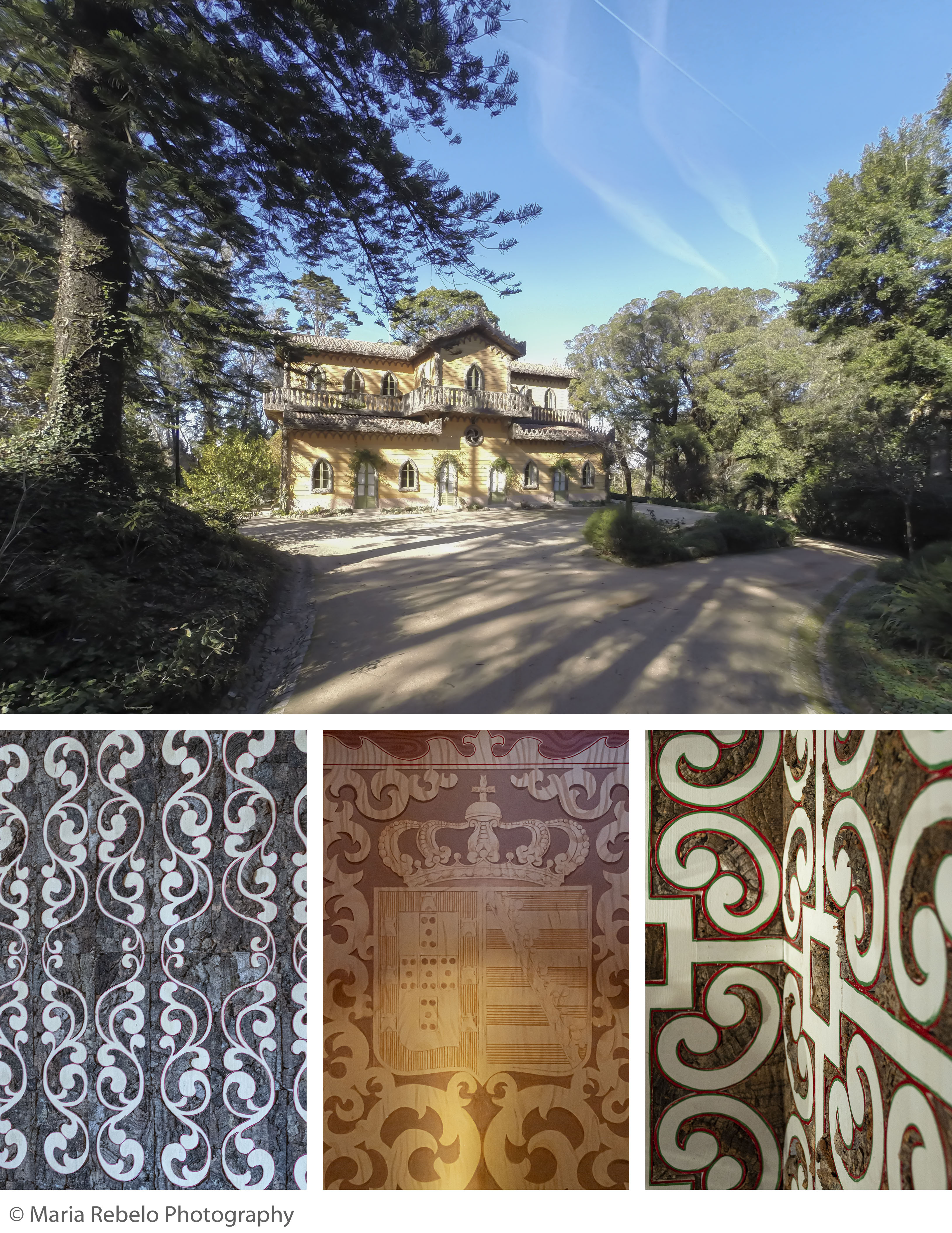
The prince and the countess built this lovely chalet on the grounds of the Pena palace. Inspired by alpine architecture, it is meticulously decorated with references to nature. Cork is used as both insulation and decoration. The exterior walls are painted to simulate wood.
The Pena and National Sintra palaces project power and wealth. At the chalet everything is intimate and private, the power of the state surrendered to the power of love.
Click here to book a visit to the chalet of the Countess of Edla.
One of our favorite destinations in the Douro valley is a charming village called Ervedosa do Douro. Its main attraction is Toca da Raposa, a restaurant that prepares the traditional food served in local aristocratic homes.
The ingredients are immaculate and the cooking is sublime. The preparations look deceptively simple, but they require knowledge of all the small details that make the difference between good and exceptional.
Dona Graça, a cook who worked for Douro families before opening Toca da Raposa with her children, has a large repertoire of recipes from the time when food was prepared in wood-fired ovens and cast-iron pans. We’ve been trying to convince her to collect these recipes in a cookbook. But codifying all her experience is a huge task and she has no time–the restaurant is always full.
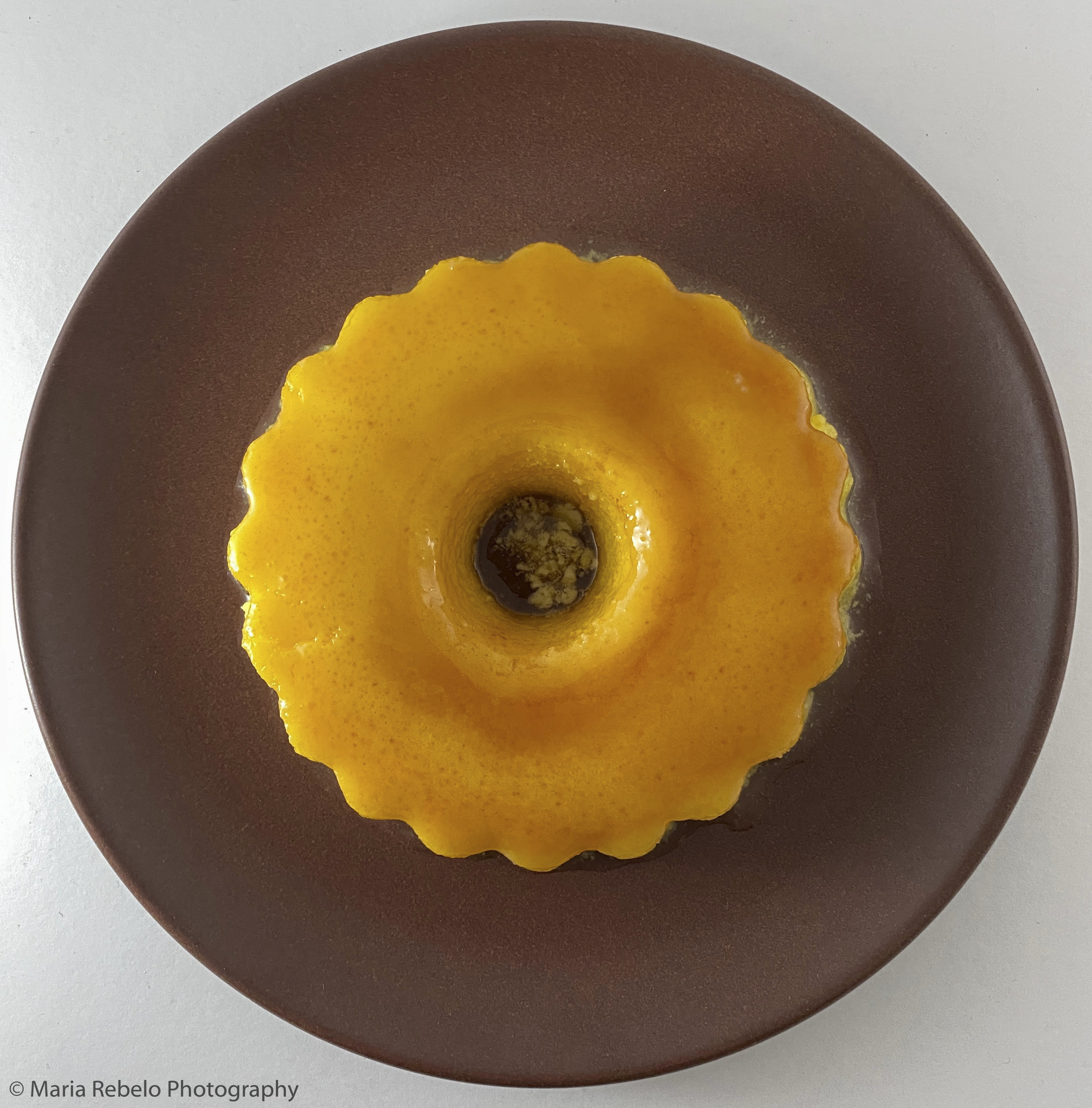
Recently, Dona Graça started writing down some recipes. She shared one of these recipes with us. It is called Pudim de Laranja Descansado (rested orange pudding) because it takes time to prepare. You should try it only when you’re not in a hurry. We hope this recipe is the first of many pages that preserve Dona Graças’s culinary artistry.
Rested Orange Pudding
Pudding ingredients
7 eggs
300 grams of sugar
250 ml of freshly squeezed orange juice
Port-wine caramel
150 grams of sugar
50 ml of port wine
Mix the pudding ingredients at night and let the mixture rest. Cook the pudding in the morning.
To prepare the mixture, combine the eggs and sugar in a mixer. Three seconds after you start the mixer at medium speed, slowly pour the orange juice into the mixture. Once all the juice has been added, keep the mixer on for an extra 30 seconds or so, until you see foam made from small bubbles. Stop the mixer and use a wooden spoon to the pudding ingredients with a movement from top to bottom until you no longer feel any sugar at the bottom of the bowl.
Once the mixture has rested, make the port-wine caramel and use it to coat the pudding mold. Pour the mixture into the mold and place the mold inside a pan filled with two fingers of water surrounding the pan. Cook on the stove on a small burner at medium heat for 40 minutes. Take it out of the mold and let it cool. Enjoy!
Toca da Raposa is located at Rua da Praça in Ervedosa do Douro, tel. 254 423 466.
“Pede dextro,” advised the Romans. In Ancient Rome, you could curry favor with the gods by entering a house or a temple with the right foot.
The importance of putting the best foot forward was not lost on architect Filipa Júlio. In 2013, she created a luxury line of footwear called Josefinas inspired by the shoes worn by classical ballerinas. Each shoe is handcrafted with exquisite materials by talented Portuguese artisans.
The company strives to make the experience of receiving and wearing their shoes unforgettable. Each pair arrives with a handwritten message by the team that produced it. A “chief officer of customer delight” dreams up festive packaging, customizations, and surprise deliveries.
In a world where elegance is often associated with uncomfortable high heels, Josefinas combine grace with comfort. As these flat shoes gained cult status among fashionistas, the company felt external pressure to adopt industrial production processes that would support fast growth. But Josefinas’ managers resisted. They reinforced their commitment to unhurried, meticulous manufacturing methods. They cultivated their brand ethos: shoes designed by women for women. And they used some of the fruits of the brand’s success to support women-rights causes. For all these reasons, we’re certain that Roman goddesses favor Josefinas.
Click here for Josefina’s website and here for their Instagram page.
In the early 16th century, Lisbon was one of the world’s richest cities. A constant stream of caravels departed to far-away destinations like India and Brazil. Some of these ships perished tragically on the high seas. The ones that returned brought their hulls crammed with gold, silver, and spices.
During the day, sailors relied on the sun to measure their latitude. At night, they were guided by the stars. Skilled pilots pointed sextants at the sky to estimate the ship’s position and evaluate its course. On the last night of the year, we too look at the stars for guidance on where we are and what lies ahead. We hope they can point us all to a blissful, healthy New Year that brings us back to Portugal.
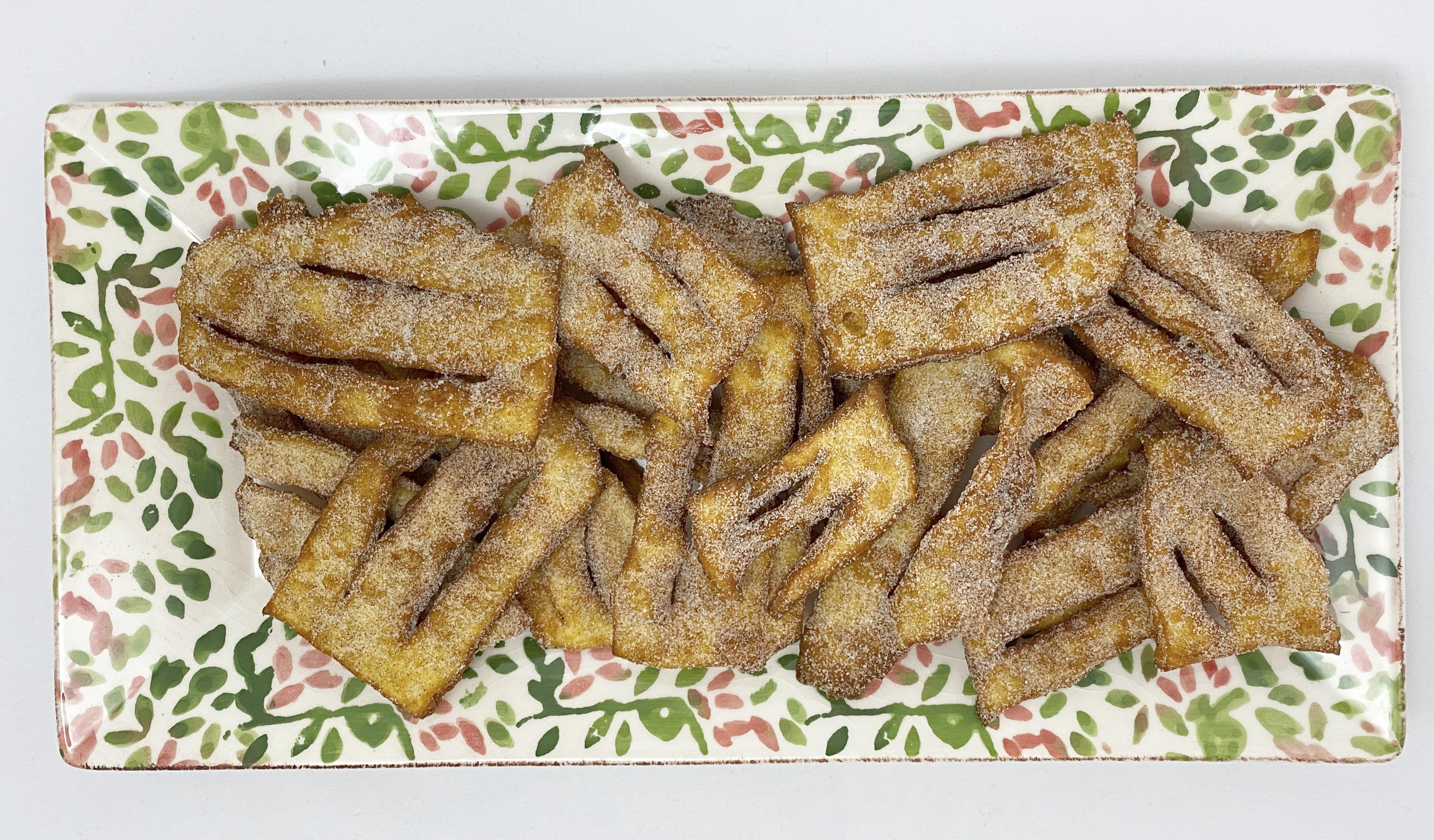
Blessed are the times when we argue about trivialities, because they are happy times. On Christmas day, there is often a heated debate about which is the best Christmas dessert. The holiday table is crowded with sweet candidates, recipes that wait all year in the pages of timeworn cookbooks for a few moments of fame. Sugar, cinnamon and a little port wine transform humble ingredients like bread, eggs, and pumpkin into culinary feasts. There are rabanadas, a Portuguese version of French toast, “filhóses de abóbora,” fried pumpkin cakes, “coscorões,” fried dough shaped like angel wings, “sonhos,” crispy, airy spheres, and many more.
Why don’t we enjoy these desserts all year round? Because they only taste great when the table is full of friends and family members who gather to celebrate the holiday, enjoy each other’s company, and debate which is the best Christmas dessert.
Sometimes, we dream of having lunch at chef Vitor Claro’s restaurant in Paço de Arcos, near Lisbon. It is a place with a generous view of the ocean where the chef cooks with a lightness that surprises and delights. The menu offers codfish brandade with fresh tomatoes, partridge soup with foie gras, cauliflower with parmesan, sole in chickpea broth, shrimp ravioli with mushrooms, fried dough with chickpea puree, and much more.
Then, we wake up and remember that the restaurant is closed. A feeling of disappointment is followed by the joyful realization that Vitor Claro is now a wine maker and we have some of his bottles in our cellar!
Vitor was not a wine aficionado before meeting Dirk Niepoort, the legendary producer from the Douro Valley. The first time Vitor went for dinner at Dirk’s house, he found a glass of 1986 Chateaux Margaux waiting for him. This glass of wine opened the door to a new life.
In 2010, while working in Alentejo, Victor fell in love with the wines from Portalegre. He managed to rent an old vineyard in this region to make wine with a friend who is an enologist. But one month before the harvest, his friend abandoned the project. Vitor called Dirk Niepoort to ask for help. Dirk told him “this is the best that could have happened to you.” Then, like a Zen master, Dirk said: “let the grapes do the work.” Vitor harvested the grapes, put them in barrels, crushed them gently and waited.
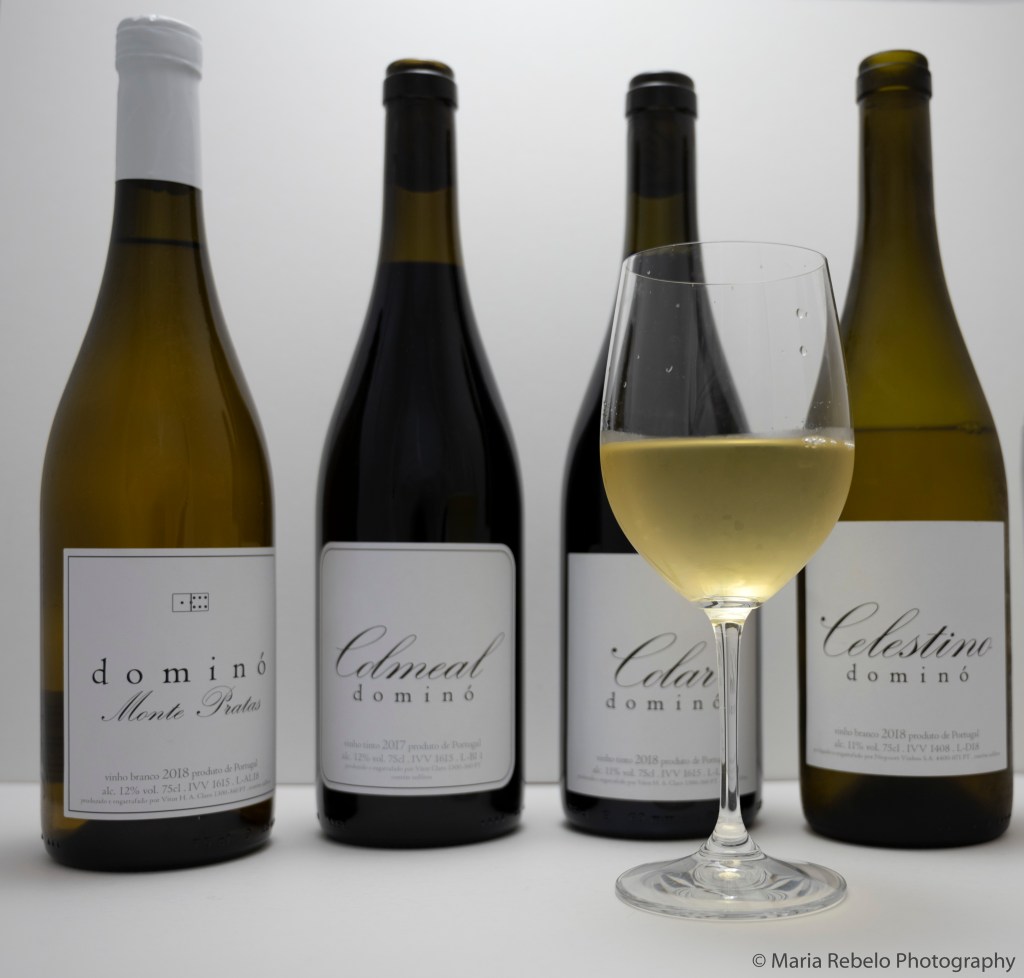
Two years later, he bottled the wine under the label Dominó. It was such a success that Vitor decided to close the restaurant to devote himself full time to wine making. He convinced his wife Rita to leave her architecture practice to work with him. The couple embraced a simple life style, sharing the toil and joy of winemaking. They do all the work themselves with the help of some seasonal workers.
Today, Vitor’s wines are handcrafted using grapes from old vines rented in different parts of Portugal from Beira Interior to Carcavelos. Total production is only 20,000 bottles per year. When the wine does not appeal to Vitor’s refined senses, he does not bottle it.
The lightness that Victor pursued in his cooking became the hallmark of his wines. They have bright flavors that interest the palate but never over power it. Instead, they surprise and delight.





 Salt of Portugal