In Porto, we like to stay far from the commotion of the city center. One of our favorite choices is Freixo, an 18th-century palace converted into a luxury hotel. We’re also fond of the neighboring Pestana Douro Riverside, a perfume factory turned into a modern hotel with generous views of the Douro River.
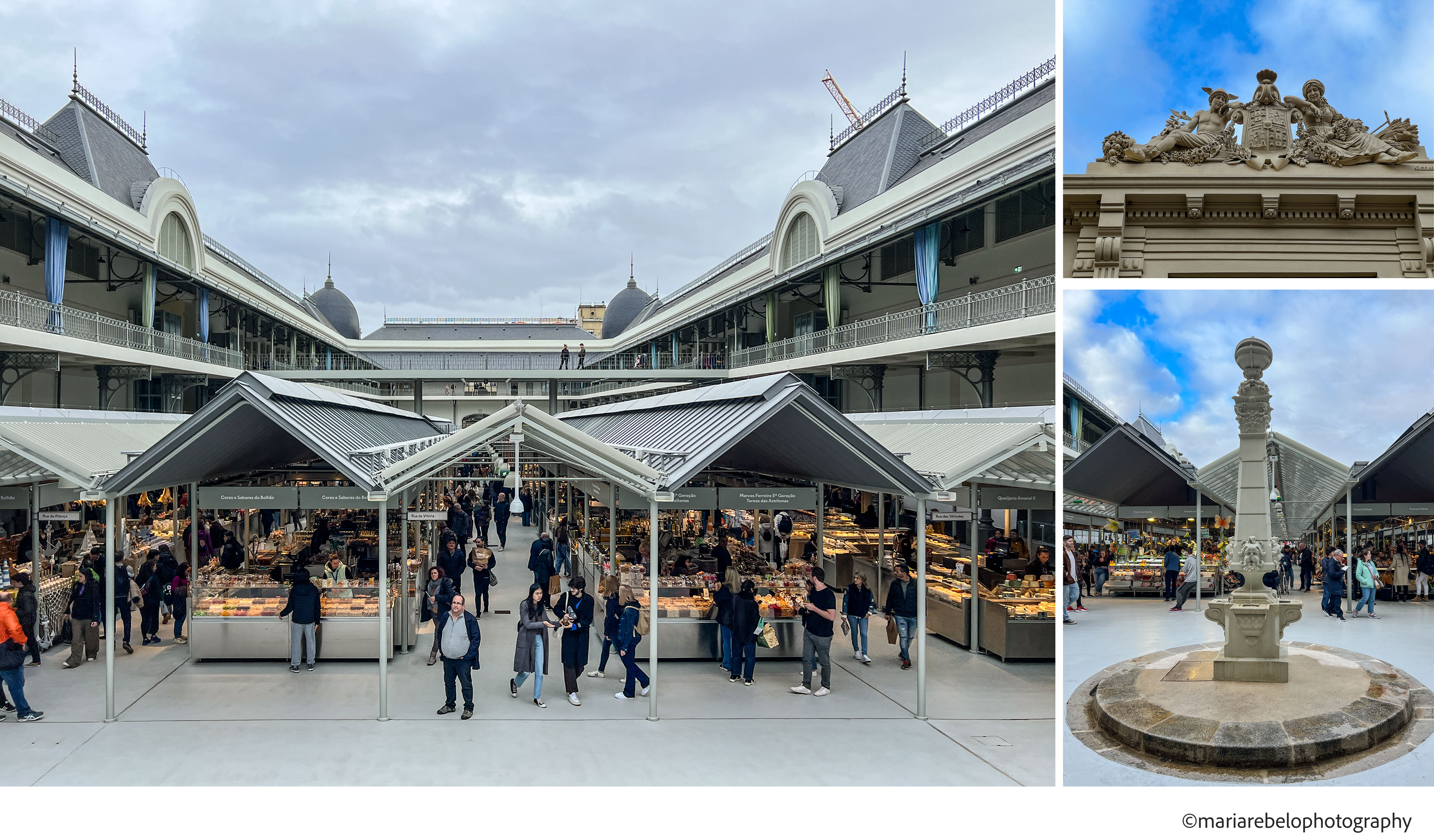
Exploring Porto’s architectural jewels like the Bolsa Palace, the Lello bookstore, and the Majestic café is always a joy. And we never tire of the spectacular tile panels that decorate the São Bento train station and the Carmo church. If you’re a music lover, check out the schedule of Casa da Música, a concert venue designed by Rem Koolhaas. We like visiting Bolhão, a 19th-century farmers market that has been recently renovated. It is the perfect place to buy a present for a gourmet friend, while enjoying a glass of wine and some appetizers.
We also love visiting the Serralves Foundation, exploring its contemporary art exhibitions, strolling through the elegant Art Deco mansion, and wandering through the magnificent gardens adorned with striking sculptures.
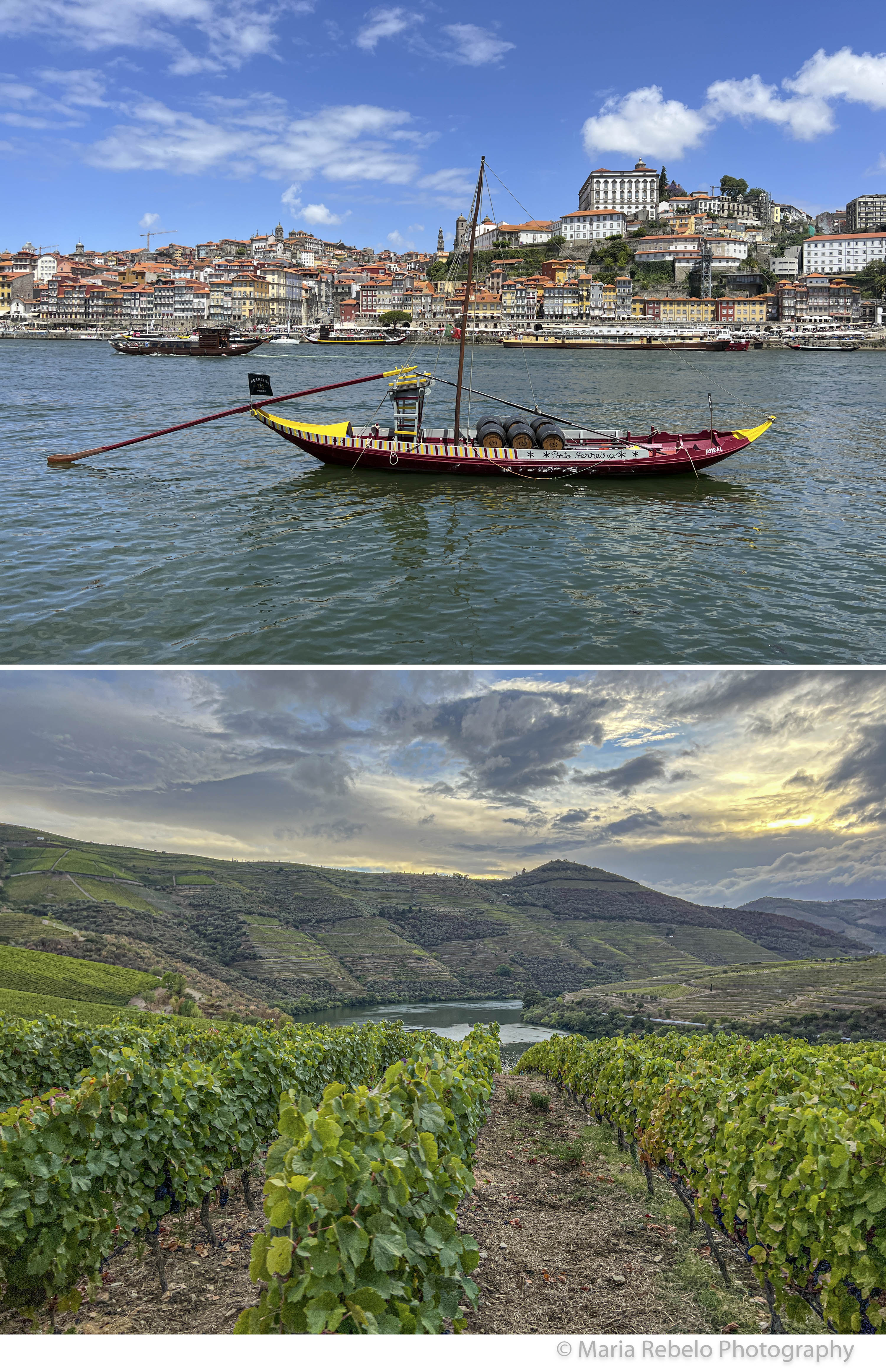
Another favorite activity is to visit Gaia’s port-wine cellars. Port-wine merchants built these cellars to protect their precious wines from the scorching Douro Valley summers and allow them to age gently. Over time, the cellars expanded, often taking over adjacent buildings and even entire streets. The Ferreira cellars include the house that once belonged to the famous Dona Antónia Ferreira. A cellar visit is a unique way of experiencing the magic of port wine. The cellars of Taylor’s, Ferreira, and Ramos Pinto are all great choices.
For lunch, we like going to Matosinhos to feast on grilled fish (rodovalho is our favorite). It is always delightful to eat at Gaveto, a renowned traditional restaurant. For an enchanted evening, treat yourself to a sunset dinner at the luxurious Boa Nova Tea House headed by chef Rui Paula.
To enjoy panoramic city views while sipping an aperitif, head to the rooftop of DeCastro Gaia. Whether it’s a chilled dry white port, a port tonic cocktail, or the exquisite Soberbo vermouth produced by Poças, you’ll find the perfect drink to complement the breathtaking scenery. When you’re ready for a delicious meal, head down one floor to relish the culinary delights prepared by Miguel Castro e Silva at DeCastro Gaia.
There are many fine dining choices in Porto. Eskalduna, helmed by Vasco Coelho Santos, offers a gastronomic journey through Portugal’s finest produce. Pedro Lemos crafts refined versions of traditional Portuguese recipes, while DOP, led by chef Rui Paula, is another avenue to savor his elegant cuisine. At Casario, chefs Miguel Castro e Silva and José Guedes have created a menu full of tempting flavors. Guests can enjoy it in a warm, intimate interior or on a terrace with sweeping views of the Douro River.
There are also traditional eateries like Adega S. Nicolau that have stood the test of time.
After spending one or two days in Porto, it is time to head to the Douro Valley. You can opt to drive or take the train to Pinhão, a town in the heart of the valley, from the São Bento or Campanhã stations. Alternatively, you can travel from Porto to Régua by boat. The eight-hour ride offers an opportunity to admire the magnificent bridges designed by Gustave Eiffel and sail through the impressive locks which regulate the river flow at Crestuma-Lever and Carrapatelo.
In the Douro Valley, it is a privilege to stay at Ventozelo, a magnificent wine estate transformed into a luxury hotel. The houses once occupied by workers and two port-wine balloons have been beautifully converted into unique bedrooms. Other elegant accommodations include the riverside Vintage House in Pinhão, the luxurious Six Senses Douro Valley, and the meticulously restored Quinta da Corte.
As soon as we drop our bags at the hotel, we head to Foz Torto, a winery near Pinhão owned by our friend Abílio Tavares da Silva. Abílio, a successful engineer who sold his company to become a wine producer, is the ultimate guide to the secrets of the Douro Valley. We also make sure to visit Sandra Tavares da Silva and Jorge Serôdio Borges, the acclaimed Wine & Soul enologists. Their exquisite wines showcase the best the Douro has to offer. It is always a pleasure to visit the vineyard that produces the iconic Pintas or their splendid Quinta da Manoella.
Distances within the Douro Valley are short, but travel times can be long because the narrow roads meander through the landscape. There are two ways to enjoy the breathtaking views without worrying about driving. The first, is to board the historical, coal-powered train from Pinhão to Tua for a journey back in time. The second, is to travel by boat from Pinhão to the mouth of the Tua River. In the past, the aristocratic Douro families traveled by boat to visit each other. There were no restaurants, but every family had a talented cook who used traditional recipes to prepare culinary feasts.
One of these cooks is Dona Graça. Together with her daughter Rosário, she opened the delightful Toca da Raposa restaurant in Ervedosa do Douro. We love her cooking so much that we often have all our meals here.
There are two restaurants with beautiful views of the river. The esplanade of Foz do Tavora is the perfect spot to enjoy a simple meal. DOC, another Rui Paula venture, is one more opportunity to try his elegant food. If you’re in the mood for a sumptuous breakfast or brunch, you can satiate your desires at the Six Senses Douro Valley.
As our stay in the Douro Valley nears its close, it’s always hard to leave. Abílio reminds us that our restlessness reflects our “urbanoid” disposition – we constantly seek new vistas instead of embracing paradise. Why don’t you move to the Douro Valley?, he asks. Perhaps one day, we shall heed his wise advice.


 Salt of Portugal